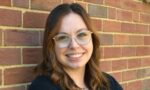
We’re looking forward to introducing you to Marna Coleman. Check out our conversation below.
Hi Marna, thank you so much for joining us today. We’re thrilled to learn more about your journey, values and what you are currently working on. Let’s start with an ice breaker: What is a normal day like for you right now?
A normal day for me right now is anything but ordinary, as my role as a Neighborhood Stabilization Officer (NSO) keeps me deeply involved in both ongoing community needs and disaster recovery efforts. Each morning typically begins with reviewing updates from the city and FEMA regarding the May 16 tornado, which devastated parts of our community. Much of my time is spent at disaster relief centers, where I help connect residents with FEMA resources, housing assistance, and essential supplies. Being on the ground allows me to listen to survivors’ stories, offer guidance, and ensure that families are not overlooked during this difficult recovery process.
Alongside disaster relief, I also continue working on Ward 13 cleanup efforts, which focus on neighborhood beautification and safety. These cleanups bring together volunteers and residents to remove trash, improve property conditions, and restore pride in our community. The work is not glamorous, but it is incredibly meaningful because it shows residents that we are investing in their neighborhoods.
Balancing both responsibilities requires flexibility and strong coordination. Some days, I transition directly from supervising a Ward 13 cleanup to supporting tornado victims at a relief center. While the work is demanding, it is rewarding to witness resilience—neighbors helping neighbors, volunteers stepping up, and families slowly rebuilding their lives. Right now, a “normal” day for me means serving where I am needed most, whether through grassroots cleanups or disaster recovery, always to strengthen community stability and hope.
Can you briefly introduce yourself and share what makes you or your brand unique?
My name is Marna Coleman, and I currently serve as a Neighborhood Stabilization Officer (NSO) for the City of St. Louis. In this role, I work directly with residents, community organizations, and city departments to strengthen neighborhoods by addressing quality-of-life issues, connecting families with resources, and supporting long-term stability. What makes my work unique is that it bridges grassroots community engagement with city government, allowing me to not only hear residents’ concerns but also help create actionable solutions. Beyond my professional responsibilities, I am deeply committed to service and leadership. I currently serve on the boards of Eagle’s Nest and Fisher House, where I help advance missions that provide vital support to families and veterans.
Currently, much of my focus is on disaster relief and recovery following the May 16 tornado. I am working alongside FEMA to ensure families receive housing assistance, resources, and guidance as they rebuild. At the same time, I continue leading neighborhood cleanup initiatives in Ward 13, which help restore pride and stability to our communities. My journey is rooted in faith, resilience, and advocacy, and my mission is to create stronger, healthier neighborhoods where people feel heard, supported, and valued.
Appreciate your sharing that. Let’s talk about your life, growing up and some of topics and learnings around that. Who were you before the world told you who you had to be?
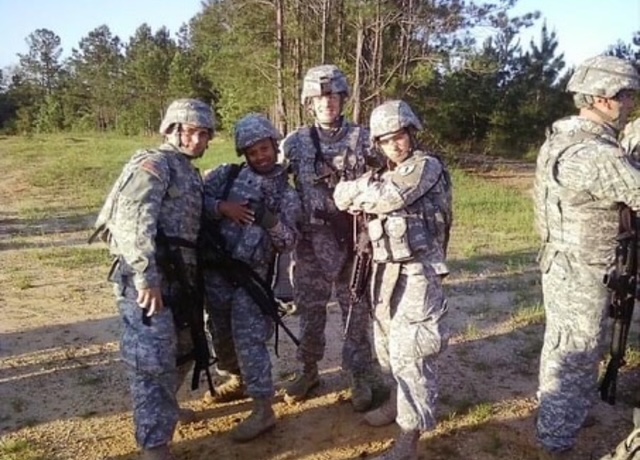
Before the world told me who I had to be, I was just a regular girl from North St. Louis with a dream. Growing up, I didn’t see myself as extraordinary—I was simply determined to create a better future, both for myself and for the community that raised me. That dream led me to join the United States Army, where I proudly served my country with courage, discipline, and commitment. Wearing the uniform gave me a sense of purpose, and it taught me resilience, leadership, and the importance of serving something greater than myself.
But when I came home, I realized my country needed help too—right here in my own backyard. I saw families struggling, neighborhoods being overlooked, and voices going unheard. The same sense of duty that drove me to defend my country abroad also motivated me to serve at home. I found a new mission: to rebuild, to advocate, and to give my community the hope and stability it deserves.
Today, that mission continues to shape everything I do—as a Neighborhood Stabilization Officer, as a volunteer, and as a leader serving on boards and within organizations dedicated to equity and empowerment. My journey began as a regular girl with a dream, but I’ve grown into a woman who refuses to let that dream go unrealized. Service is not just what I do—it is who I am, whether it’s on the battlefield, in city neighborhoods, or alongside families rebuilding after disaster.
What did suffering teach you that success never could?
Suffering taught me lessons that success never could. As a female veteran who experienced homelessness with a child, I came to understand challenges that statistics alone can never capture. Success brings confidence and recognition, but suffering reveals strength, resilience, and perspective in the face of adversity.
When I returned home after serving my country, I expected stability. Instead, I faced the harsh reality of trying to find transitional housing support as both a mother and a veteran. Many programs were not designed with women and children in mind, leaving me feeling invisible and overlooked. Those struggles were painful, but they also gave me a deeper compassion for others who face similar circumstances. I know firsthand the fear of not knowing where you and your child will sleep, and that experience has shaped the way I now serve others.
Suffering taught me humility and empathy. It reminded me that titles, uniforms, and accomplishments do not shield anyone from life’s difficulties. It also taught me to never judge another person’s situation, because everyone’s story is unique. Most of all, it gave me a fierce determination to advocate for those who cannot speak for themselves.
Now, in my work and community service, I carry those lessons with me. I want others—especially veterans, women, and families facing hardship—to know that their pain does not define them. Suffering gave me purpose and the drive to help ensure no one feels forgotten, as I once did.
So a lot of these questions go deep, but if you are open to it, we’ve got a few more questions that we’d love to get your take on. What’s a belief or project you’re committed to, no matter how long it takes?
A belief I am committed to, no matter how long it takes, is that every neighborhood deserves stability, safety, and hope. I have seen firsthand how disinvestment, disasters, and systemic barriers can break down communities, but I also believe deeply in the power of rebuilding—not just buildings, but lives.
This belief drives my work as a Neighborhood Stabilization Officer and in my service through boards, nonprofits, and volunteer organizations. Whether it is leading Ward 13 cleanup efforts, supporting families after the May 16 tornado alongside FEMA, or advocating for transitional housing for veterans, I remain committed to the long-term process of restoration. Change in communities does not happen overnight; it takes patience, trust-building, and a willingness to listen. But I believe the investment is worth it because when neighborhoods thrive, families thrive.
One project I will never walk away from is advocating for veterans, especially female veterans and mothers, who are too often left out of the conversation. Having walked that road myself, I know the urgent need for housing, mental health resources, and career pathways. My commitment is not temporary; it is lifelong.
No matter how long it takes, I will continue working toward a future where people feel seen, supported, and empowered. For me, this is not just professional—it is personal. I believe in building stronger communities, one family and one neighborhood at a time, and I will continue that mission for as long as I can serve.
Okay, so before we go, let’s tackle one more area. What is the story you hope people tell about you when you’re gone?
The story I hope people tell about me when I’m gone is that I was a servant leader who never stopped fighting for others. I want to be remembered as a woman who rose from humble beginnings in North St. Louis, who served her country with honor as a soldier, and who came home and continued serving—not with weapons, but with advocacy, compassion, and action.
I hope they say I was fearless in standing up for the voiceless, especially veterans, women, and families in crisis. That even in the face of my own struggles—like being a homeless female veteran with a child—I turned pain into purpose and built bridges for others to cross. I want to be remembered not only for the boards I sat on, the organizations I served, and the titles I held, but for the countless lives I touched in neighborhoods, disaster relief centers, schools, and community meetings.
I hope people tell the story of a leader who believed in service above self: whether through Ward 13 cleanups, advocating for transitional housing, mentoring young women, or helping families rebuild after a tornado. That my legacy was one of hope, resilience, and faith in action.
Above all, I want the story to be that I left this world better than I found it. That I lived a life of purpose, rooted in service, faith, and love—and that because I lived, others believed they could rise, rebuild, and dream again.
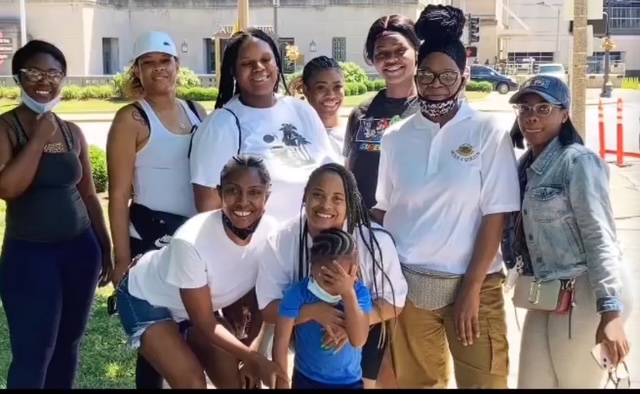
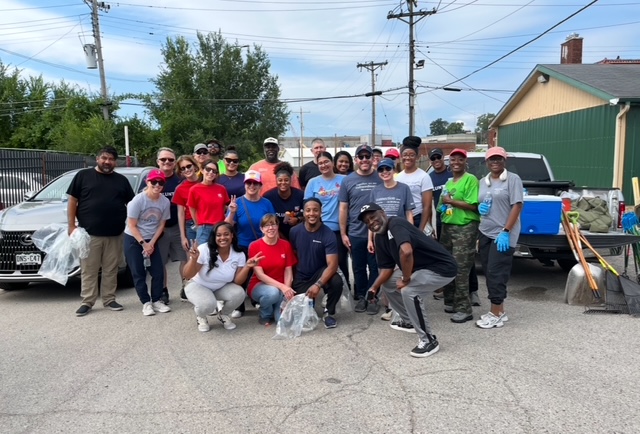
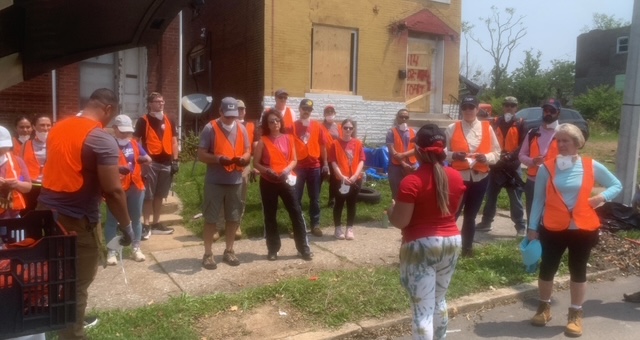
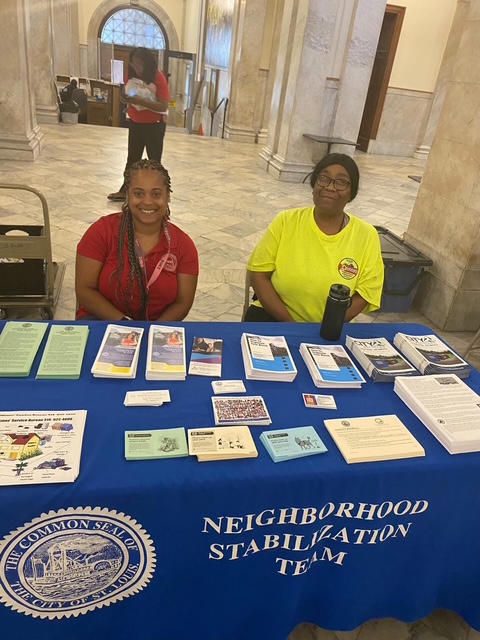
Image Credits
I have the right to release these photos.