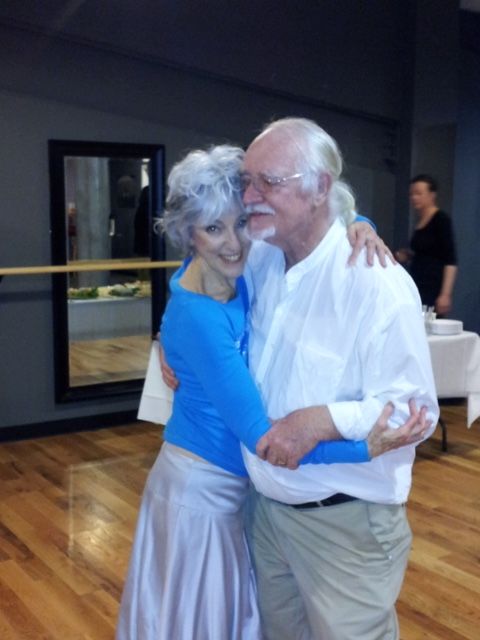
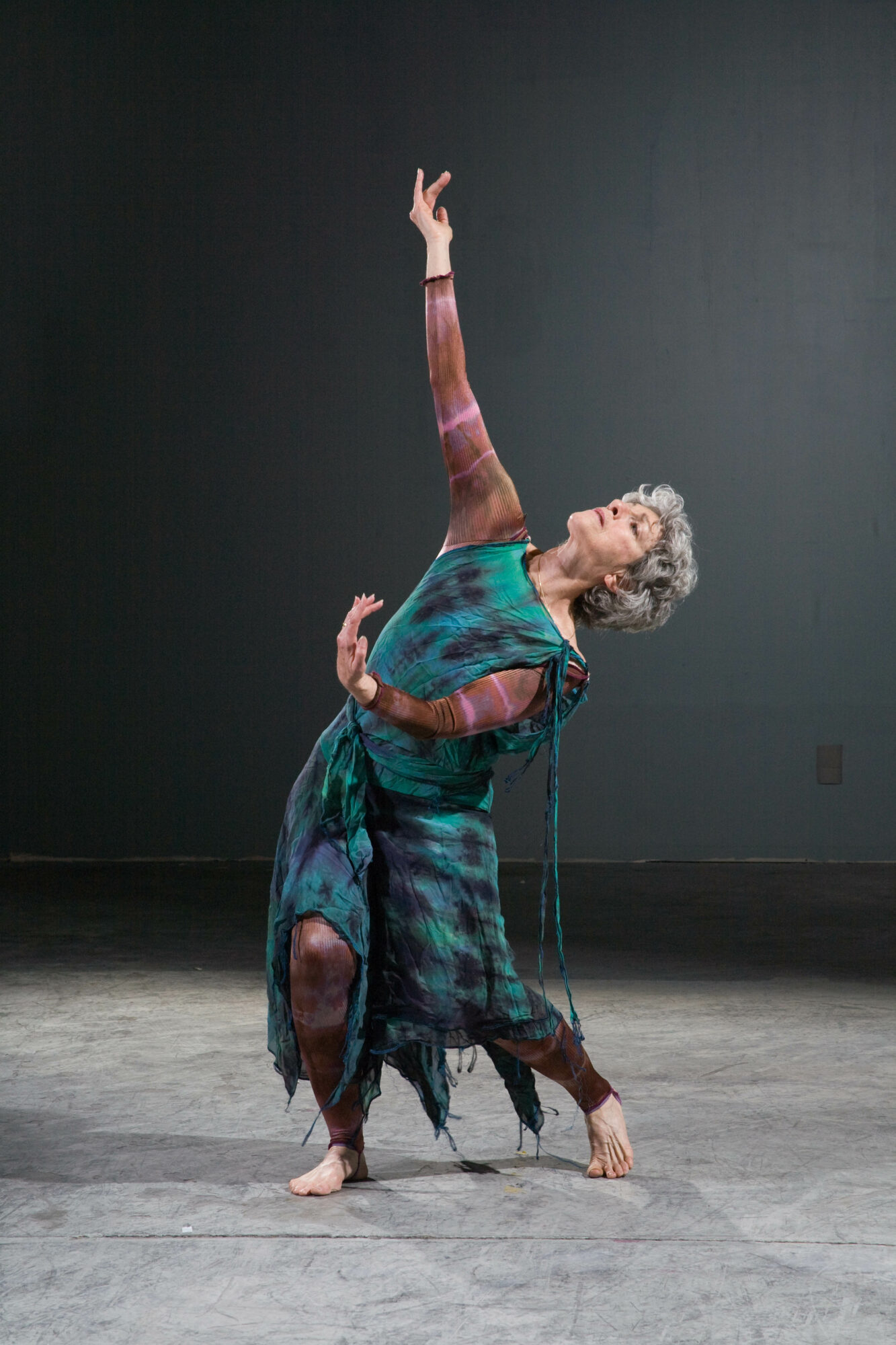
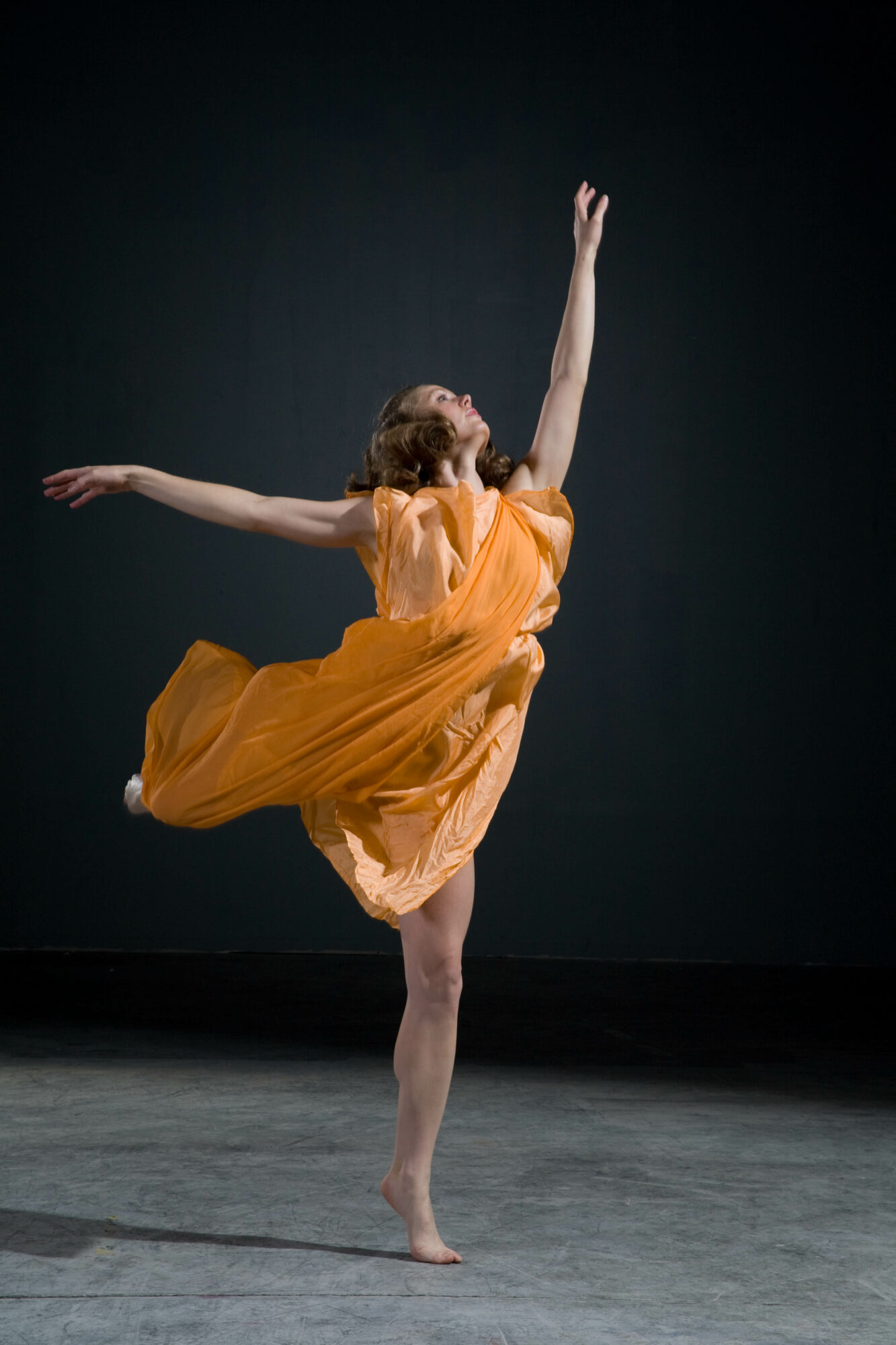
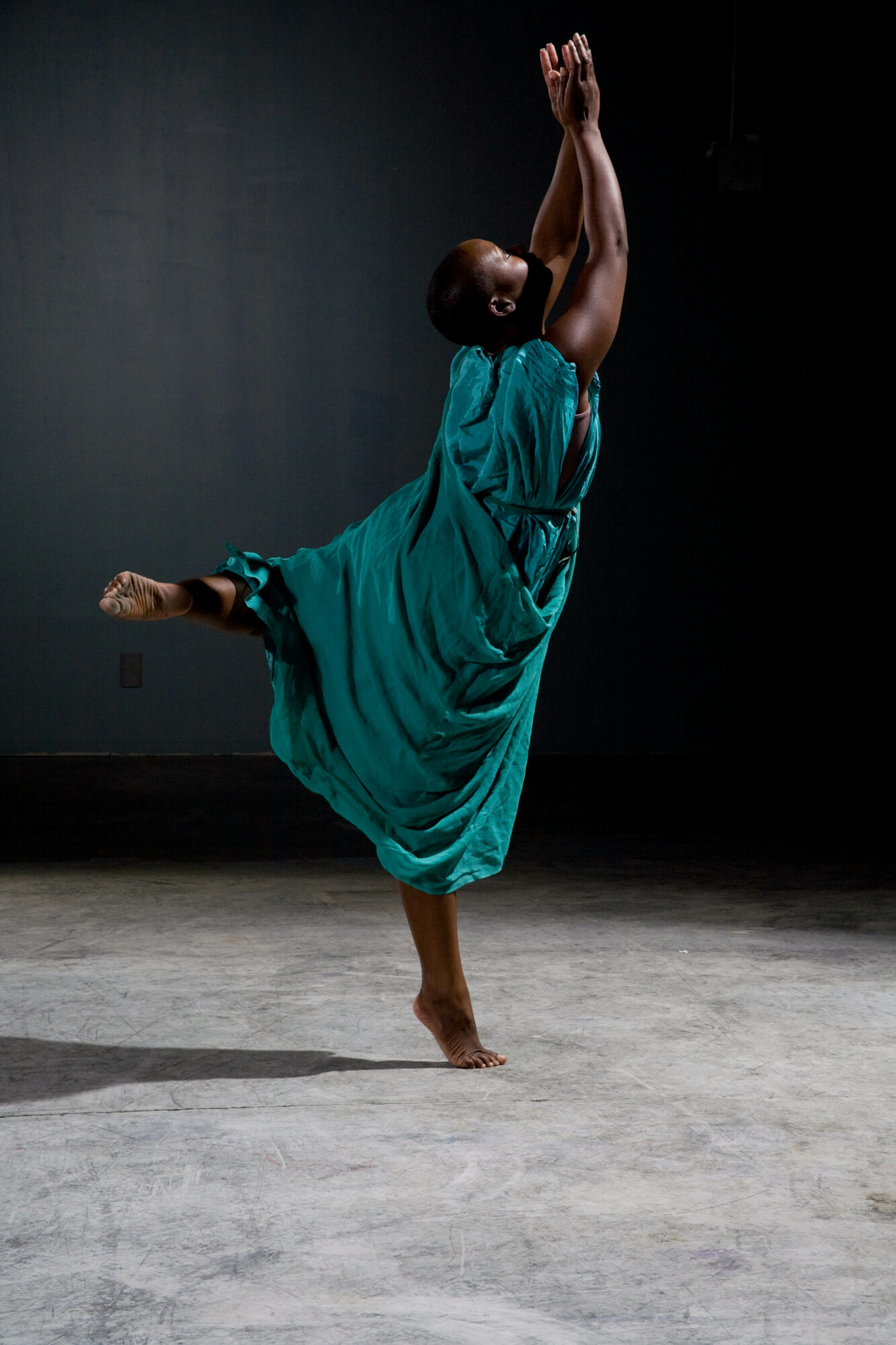
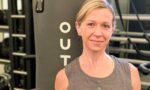
Today we’d like to introduce you to Alice Bloch.
Hi Alice, so excited to have you on the platform. So before we get into questions about your work-life, maybe you can bring our readers up to speed on your story and how you got to where you are today?
When I was a child, ballet studios weren’t careful ensuring students were strong enough before putting them on pointe. I tried it, it hurt, and I quit. But my parents were wonderful social dancers, so I learned to love dance and became a secret living room dancer. I put on music and danced my heart out.
I majored in English at the University of Florida, but I also joined Orchesis, the dance club. I had never choreographed, but I decided to choreograph T. S. Eliot’s “The Love Song of J. Alfred Prufrock. I dreamed about it and did choreography in my sleep. Nothing had ever moved me like this before. So instead of going to Ireland to get a masters in English, my wonderful mother and stepfather sent me to the American College Dance Festival, held at Connecticut College at that time. There, I was fortunate to have classes from Martha Graham, Jose Limon, and Paul Draper and saw Graham’s and Limon’s companies perform.
I went to New York for a year, working for the welfare department during the day, and taking a daily class a day at the Graham school. I thought I was dancing a lot. I had classes from the great Graham dancers of the ’60’s: Bert Ross, Mary Hinkson, Helen McGehee, and Yuriko Kikuchi.
I was fortunate enough to get into the UCLA master’s program, where I studied dance history with John Martin, first dance critic of the New York Times, and Juana Laban, Rudolf Laban’s daughter. Mia Slavenska, a ballet Russe dancer, taught ballet. Dr. Valerie Hunt taught kinesiology, and Dr. Alma Hawkins, who taught pedagogy, and dance movement therapy. I was such a beginner, that I had to do the whole undergraduate major, but it was worth it. Promoting creativity was the underlying principle of the program.
My 1969 choreographic thesis was based on Andre Schwartz-Bart’s THE LAST OF THE JUST, inspired by the ancient Jewish of the Just Men. It was the first of many dances on spiritual themes.
My first job was in the physical education department at the University of Missouri, Columbia, under the direction of Carol Odor, where I honed my teaching skills, and put all I had learned at UCLA to use.
I spent two years there and felt the need to teach in a dance department. The College of St Teresa in southern Minnesota hired me. My students performed my choreography at a Walker Art Center’s choreographers evening, and I began to travel to the city on weekends to take classes at the Nancy Hauser dance studio. But I just wanted to dance, so I left my job and moved there and got into the apprentice dance company.
Again, I was privileged to study with extraordinary dancers, including Jeff Slayton and Viola Farber, Alwin Nikolais and Murray Lewis, and Paul Taylor Dance company members.
Most importantly, for my future, Annabelle Gamson came and performed an evening of Isadora Duncan dance. At that time, most people were doing postmodern dance, and it just wasn’t me. But I wept as I sat in the audience while Gamson danced, because I saw dance as I felt it is meant to be.
I collaborated with musician/composer John Franzen, presenting an evening of dance at the Walker Art Center. We also collaborated with Heart of the Beast Puppet Theater, creating “Promised Land,” about the Jewish people’s search for a peaceful homeland. Tragically, we are still searching,
I stayed in Minneapolis, joining the Caravan Dance Collective, and teaching at various studios. I also became a teaching artist of the Minnesota Arts Council, and developed a style of teaching that is now known as arts integration.
Linda Tarnay came to Minneapolis and taught Duncan dance. I performed them to some acclaim, falling more deeply in love with the work. Ellen Foreman also visited and taught Duncan technique. With a Minnesota Humanities Commission grant, I went to New York to study with Lori Belilove. I then created a full-length play, “DanceLife: Isadora Duncan,” which I performed and toured.
Suddenly, it was 1986. I turned 40, I was widely respected, but my income hadn’t budged in years. I decided to seek a doctorate, and again was fortunate to be accepted to Temple University. There, I studied with Sarah Hilsendager, Edrie Ferdun, and Brenda Dixon-Gottschild. Brenda taught research methods. She sent me to Alice Rutkowski, to do an oral history, where I was introduced to Anna Halprin’s methods, furthering my understanding of dance as a somatic healing modality.
I used everything in my background to write my dissertation: ISADORA DUNCAN AND VASLAV NIJINSKY: DANCING ON THE BRINK. An examination of the art and lives of Duncan and Nijinsky as a means of exploring dance as facilitator and indicator of the roll of the body in cultural transformation.
And then it was time to find a job. I was hired by Lindenwood University in St Charles, MO to start a dance department. I built it on the UCLA model. With my colleague, Rob Scoggins, we created a strong program. Our graduates danced for MADCO, teach dance in schools, opened dance studios, and used their creative background to find success in many fields. I’m privileged to have been their professor. I staged Duncan repertoire on our students as well.
I left Lindenwood in 2006. I began teaching at COCA, doing arts integration residencies and professional development workshops. There I created my seniors dance class, Move for Your Health/Dance for Your Spirit.
I continue to study Duncan dance with Meg Brooker and Andrea Mantell.
I presented several full-length evenings of dance at COCA, and Christ Church Cathedral’s Sheffild Music series. I perform Duncan at Dawn Karlovsky’s “Dine on Dance” series, and National Dance Week. I have taught and staged the work at Bryn Mawr, Strathmore, the University of Delaware, among others.
My Duncan workshops and lecture performances include: “The Physics of Duncan Dance,” “Dancing the Supermom,” and “I Always Dance the Chorus: Isadora Duncan and the Dance of Democracy.”
I am now based at Central Studio, where I take Pilates, rehearse, and teach my seniors’ class.
I am on the boards of the Missouri Alliance for Arts Education, where I chair the dance committee, and the Duncan Legacy Project.
Following a dream, I just completed the certification program in Boody/Mind Dancing, a somatics practice the combines Body/Mind Centering, Laban Movement Analysis, and Bartenieff Fundamentals with dance.
I finding ways to volunteer to support social justice and environmental causes, through the Nature Conservancy and other organizations.
In my personal life, in 1994, I was fortunate to meet Frank K Flinn, a religious studies professor at Washington University.
Thanks to him, I have two stepsons, two grandchildren, and two great grandchildren. We had almost 21 years together. He died in 2015, and I still miss him.
Can you talk to us a bit about the challenges and lessons you’ve learned along the way. Looking back would you say it’s been easy or smooth in retrospect?
Some of my struggles including being such a beginner when I decided to become a dancer. I took me years to develop strong technical skills. Dance is also the lowest paid art form, so making a living wage was a problem until I got my university positions.
The work can be exhausting. I was often at Lindenwood 60-80 hours a week. Convincing my students’ parents that their children could make a living in dance was also an issue.
I would like to do more writing about Isadora but finding the time and energy to do so is a challenge.
Overall, however I have loved the work and the journey, and I am grateful to still be actively involved in all aspects of dance at my age.
Are there any books, apps, podcasts or blogs that help you do your best?
The Isadora Duncan International Symposium Archive is a wonderful resource.
“Dance Kinesiology,” by Sally Fitt, and “The Anatomy of Movement” are also invaluable resources.
Anne Green Gilbert’s Brain Dance, based on the developmental movement sequence undergirds my daily practice and all my teaching.
I have hundreds of books, and it’s hard to recommend any specific ones, but if you’re interested in Duncan, start with her autobiography, “My Life.”
DynamicEmbodiment.net offers the opportunity to tale Body/Mind dancing classes as well as many other somatic opportunities.
Pricing:
- Move for Your Health: $15.00 per class