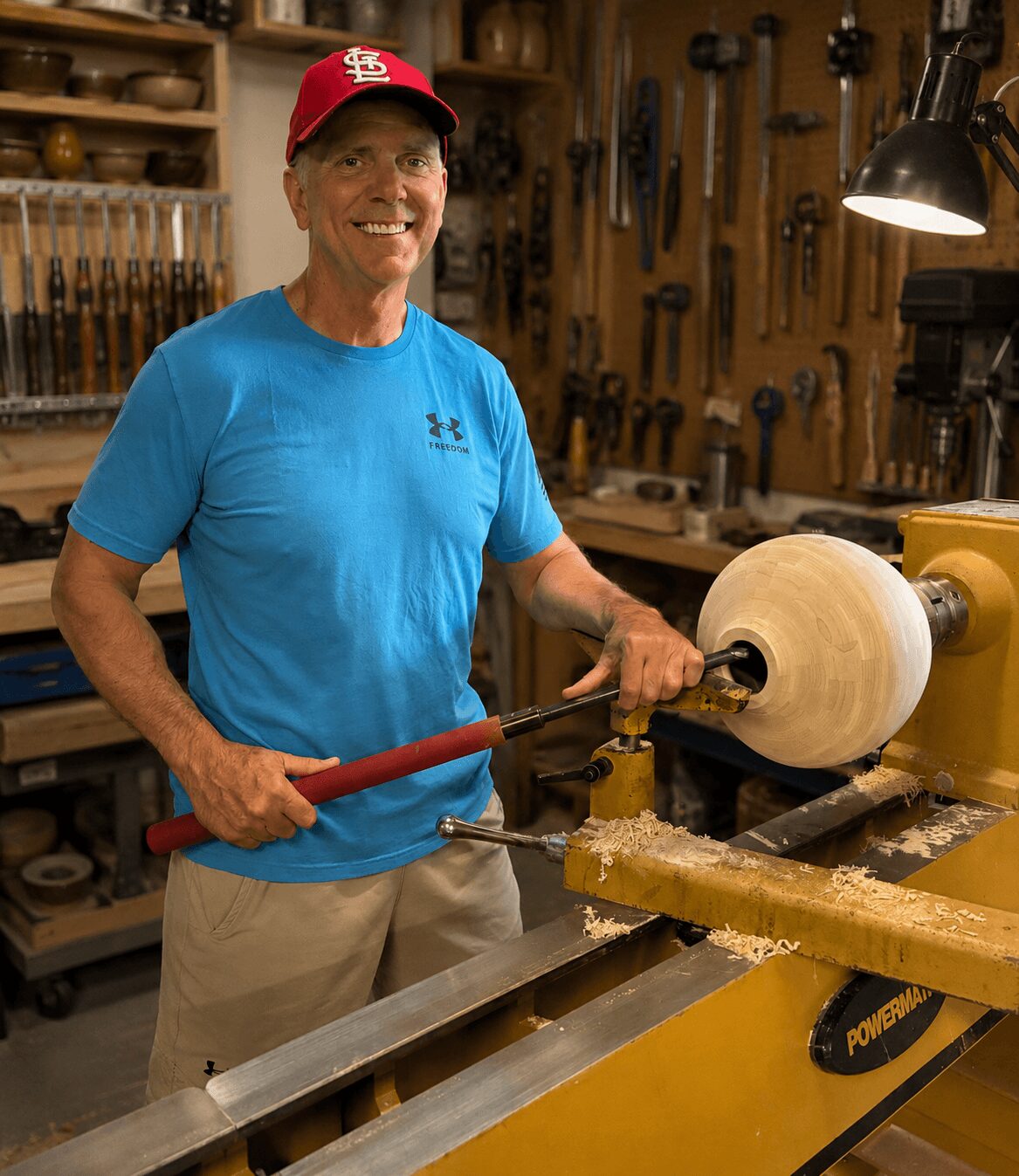
Today we’d like to introduce you to Jim Marx.
Hi Jim, it’s an honor to have you on the platform. Thanks for taking the time to share your story with us – to start maybe you can share some of your backstory with our readers?
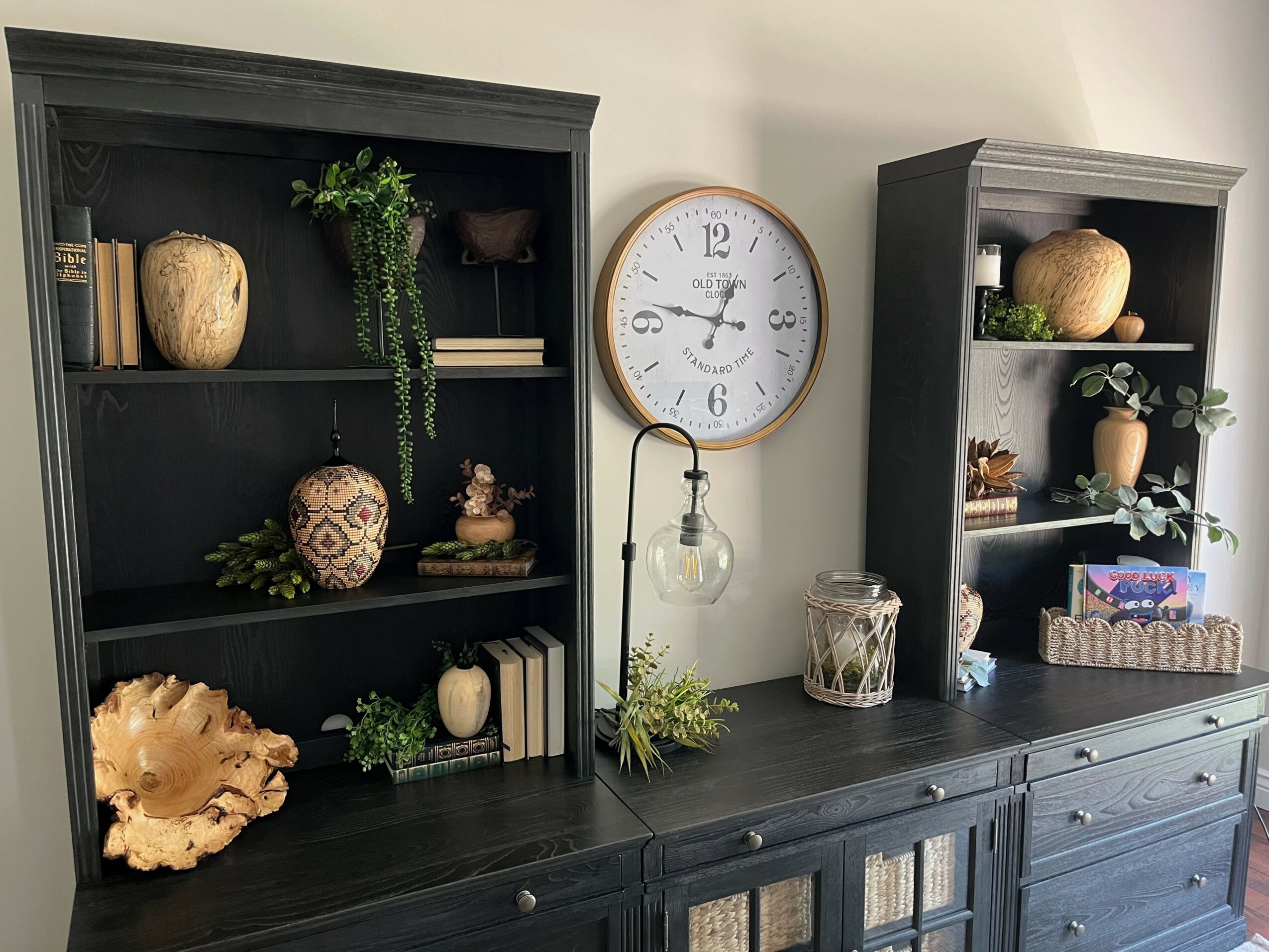
My woodturning journey started in the late 90’s as a hobby and now occupies most of my retirement time. I had originally made wood toys and puzzles for my daughters, as well as other small wooden projects, but I was always interested in other aspects of woodworking. I was introduced to the woodturning craft by Norm Abrams on ‘The New Yankee Workshop’ TV show. I immediately became hooked. I had done a little woodturning in high school, and since my grandfather worked on a metal lathe for 50 years, I thought maybe it was in my blood. I bought a small, cheap lathe to fuel this new fire.
In the coming years, it became necessary to upgrade to bigger, more expensive lathes. Making large wood bowls and vases increasingly requires better machinery. The challenge and satisfaction of getting the shape and curves artistically ‘just right’ is extremely exciting. That also meant I needed a bigger lathe!
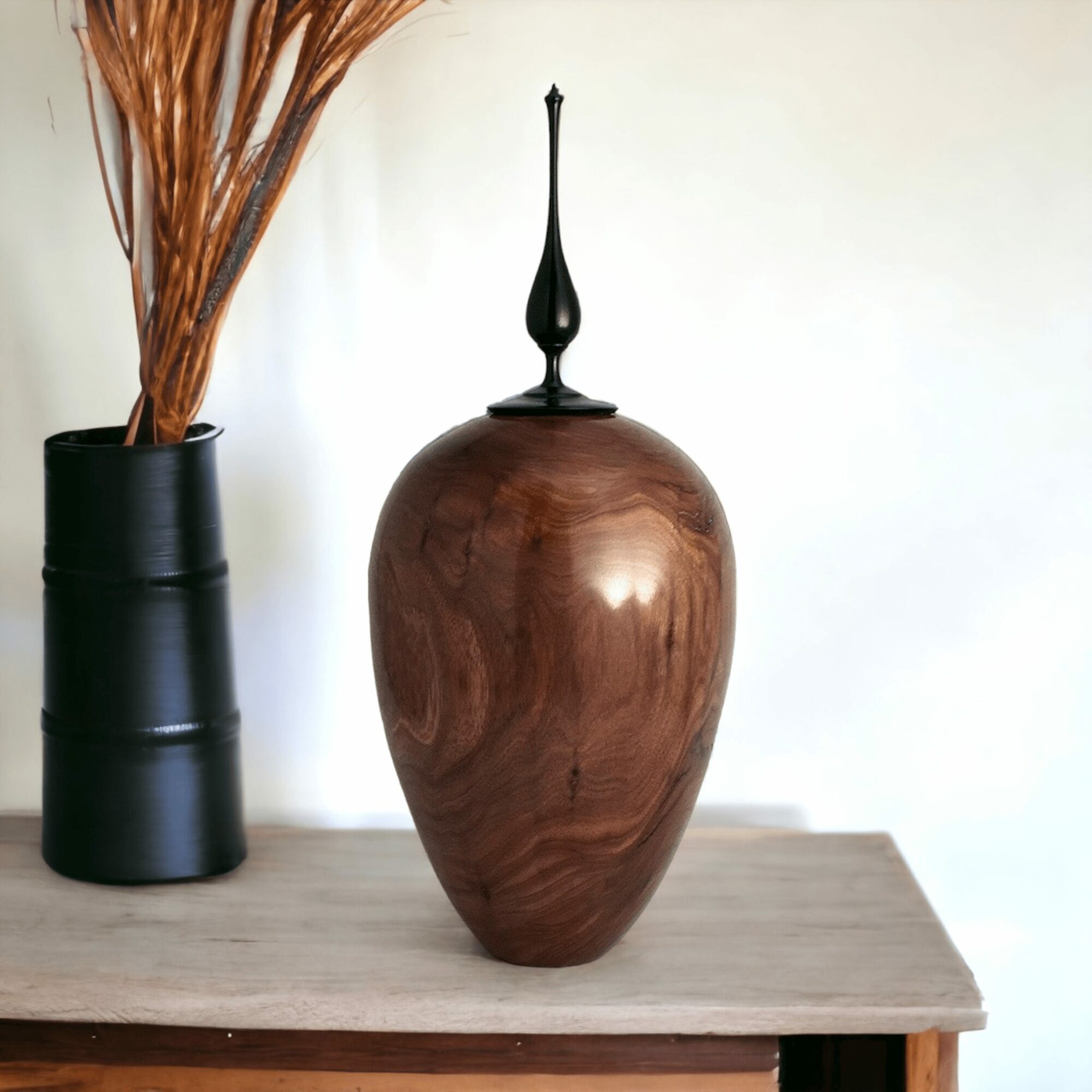
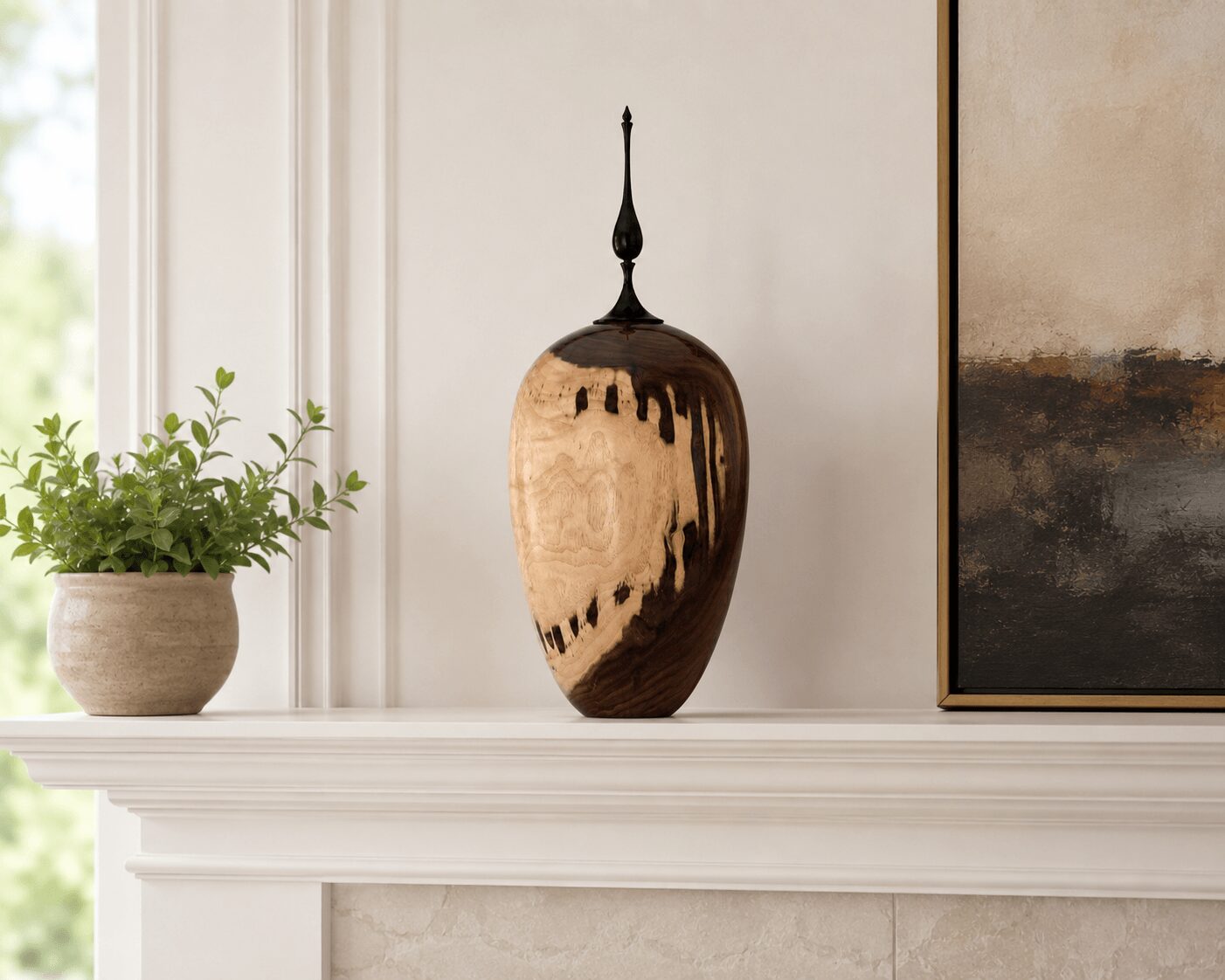
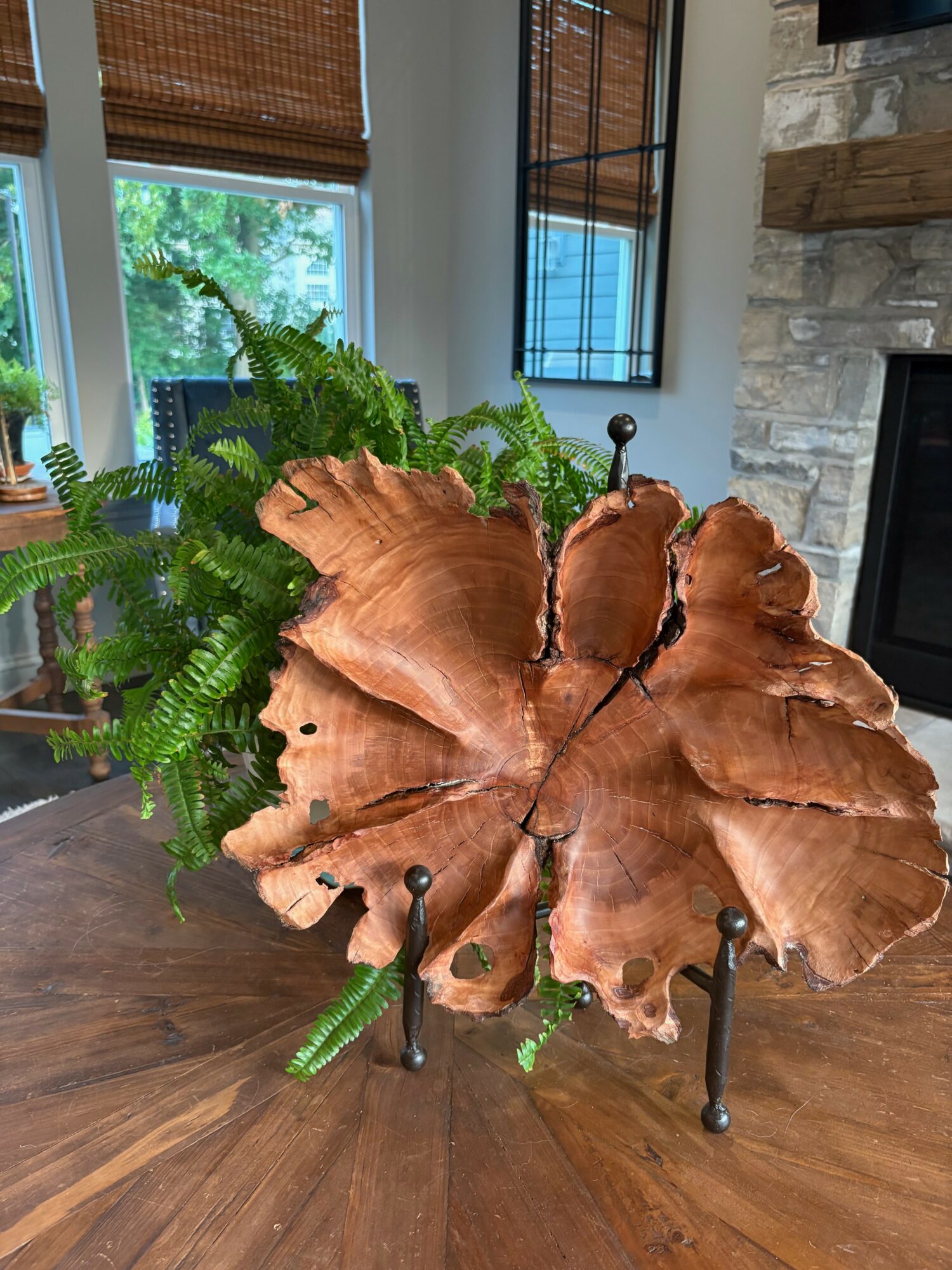
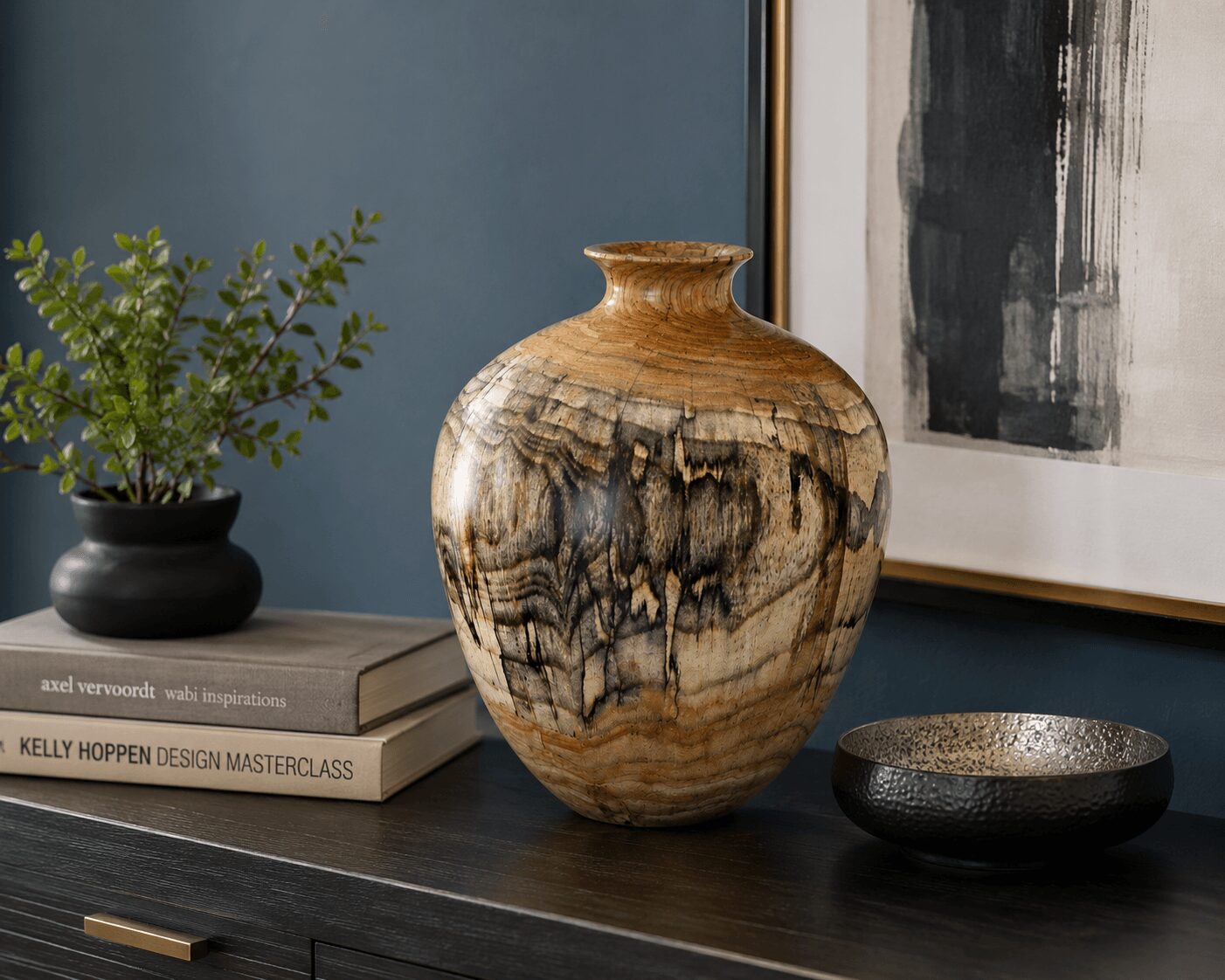
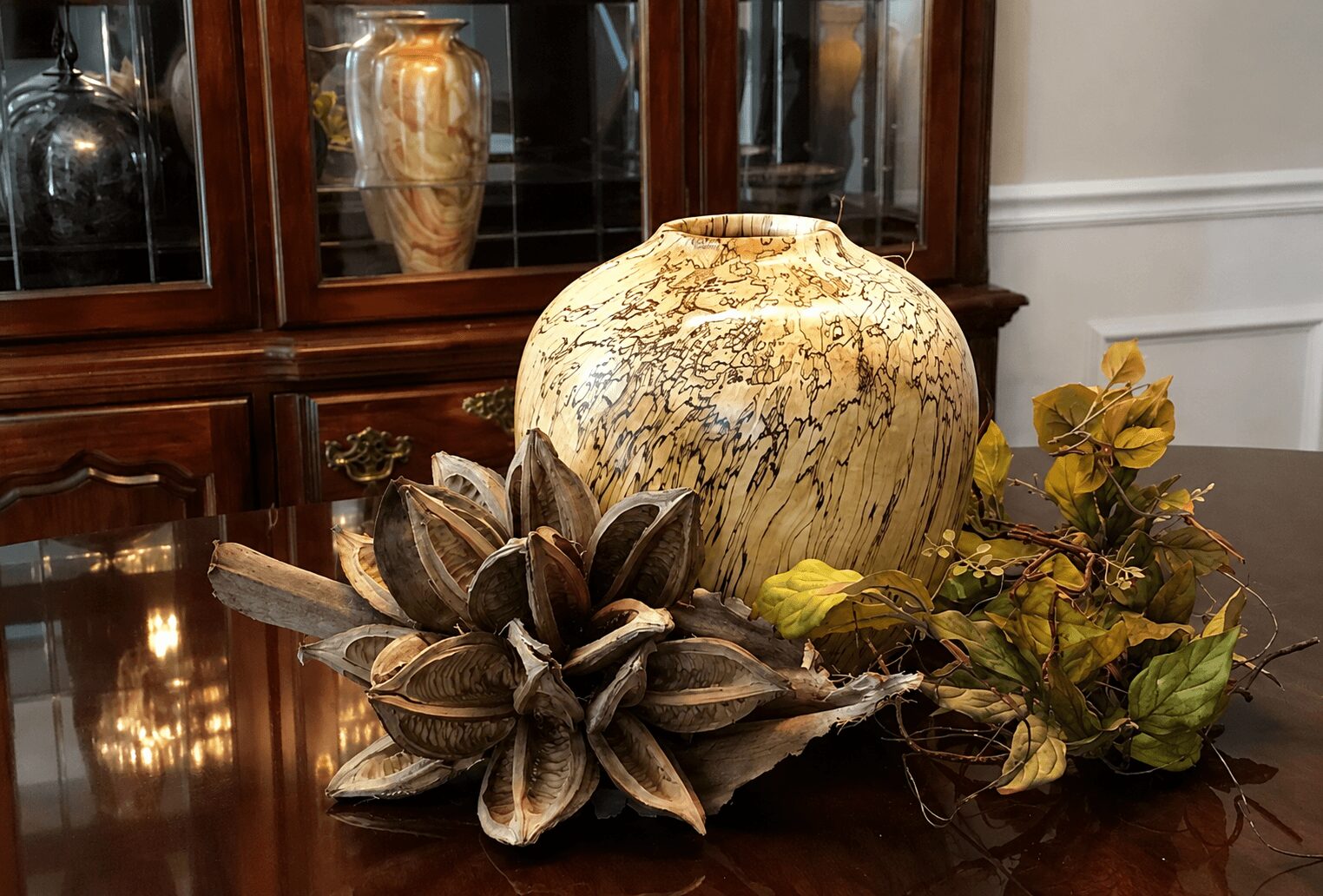
When turning vases, I typically start with an idea of a shape I want the log to transform into. However, once the dust and shavings pile up in my workshop and the beauty behind the bark is exposed, I frequently change the design to accentuate the grain patterns, bug holes, cracks, or voids. In a way, I let the wood guide me towards what it wants to become.
As a seller on the Etsy market for the past 5 years, I enjoy interacting with my customers and reading their positive reviews. I am grateful that others like my pieces enough to decorate their homes, and I really enjoy receiving photos of my vases in their unique environment.
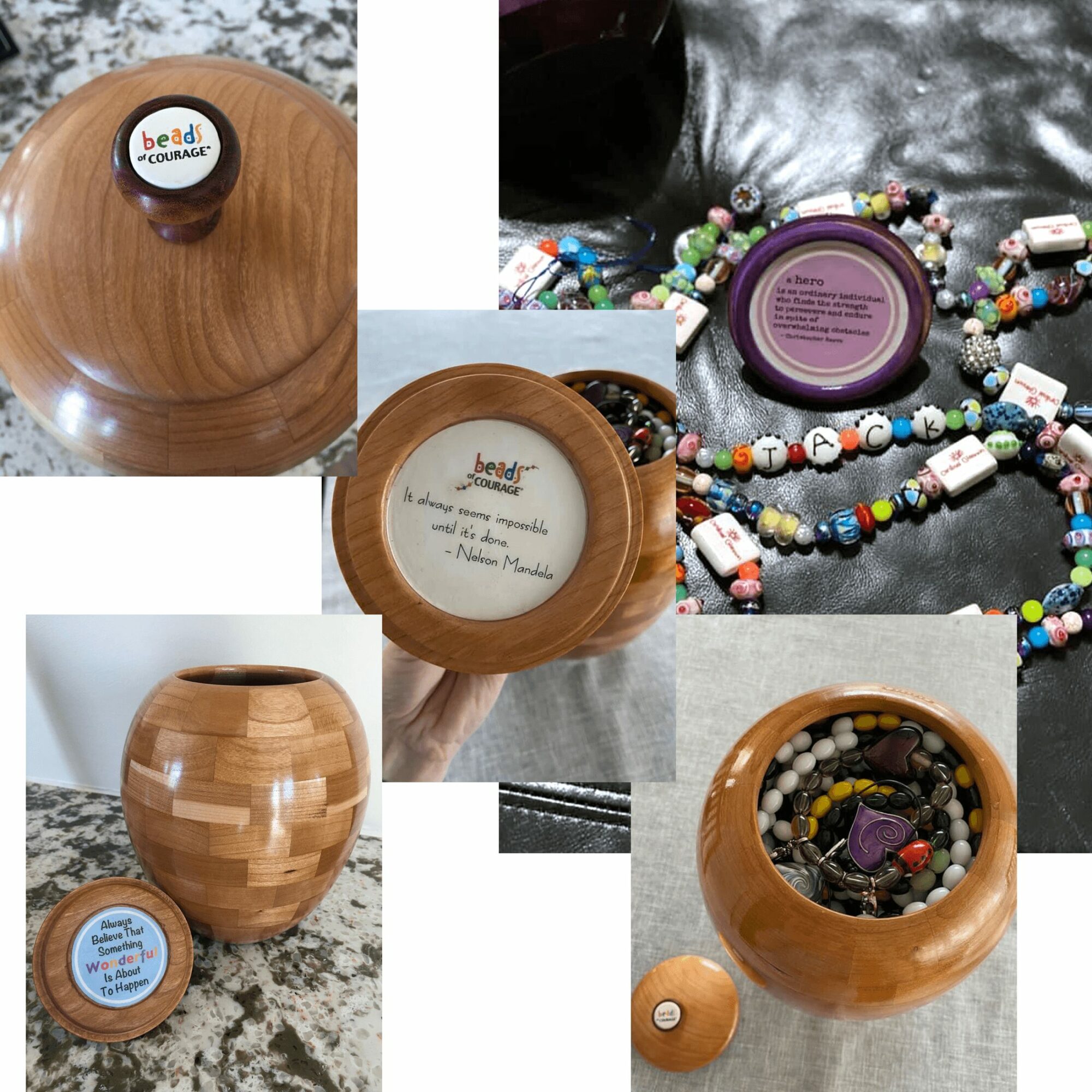
The most satisfying project has been making and donating containers for children of the Beads of Courage program, a non-profit that helps them cope with serious illnesses such as Cancer or Cystic Fibrosis. These kids tell their own stories of courage using colorful beads that represent their treatment journeys. Woodturners have participated in making boxes to store the beads, and I was honored to make several. The pictures of these smiling kids with a box I made were extremely rewarding.
We all face challenges, but looking back would you describe it as a relatively smooth road?
When I started, I was primarily self-taught. I made a lot of mistakes and created what I call ‘designer firewood.’ It wasn’t unusual for me to send a piece flying out of the lathe chuck and across the room. Fortunately, the Internet was just beginning and online ‘bulletin boards’ became popular as a source of knowledge from more experienced woodturners. Now, guidance can be easily found on such sites as the American Association of Woodturners and World of Woodturners. Most woodturners are willing to share their expertise, and I am grateful for their guidance along my path.
I am also thankful for my supportive wife. She has tolerated my dust and wood shavings for years. She, my daughters, and my sister are my biggest cheerleaders, as demonstrated by displaying my ‘stuff’ in their homes.
As you know, we’re big fans of you and your work. For our readers who might not be as familiar what can you tell them about what you do?
I had a rewarding 40-year career in IT software development. I managed technology projects in global healthcare, finance, and aerospace companies. After graduating from Missouri State University with a degree in Business and Finance, my career started at a manufacturing company in CAD/CAM systems, including programming a CNC lathe to make titanium metal forming rollers. From there I moved into the healthcare market where I learned that programming was not my favorite career path. As a result, I shifted into IT Project Management and thoroughly enjoyed it. The bits and bytes of computer technology was fun and interesting, but I still find it satisfying to use the artistic side of my brain in my woodturning hobby. Upon my retirement in 2019, I began to spend more time in my woodworking shop.
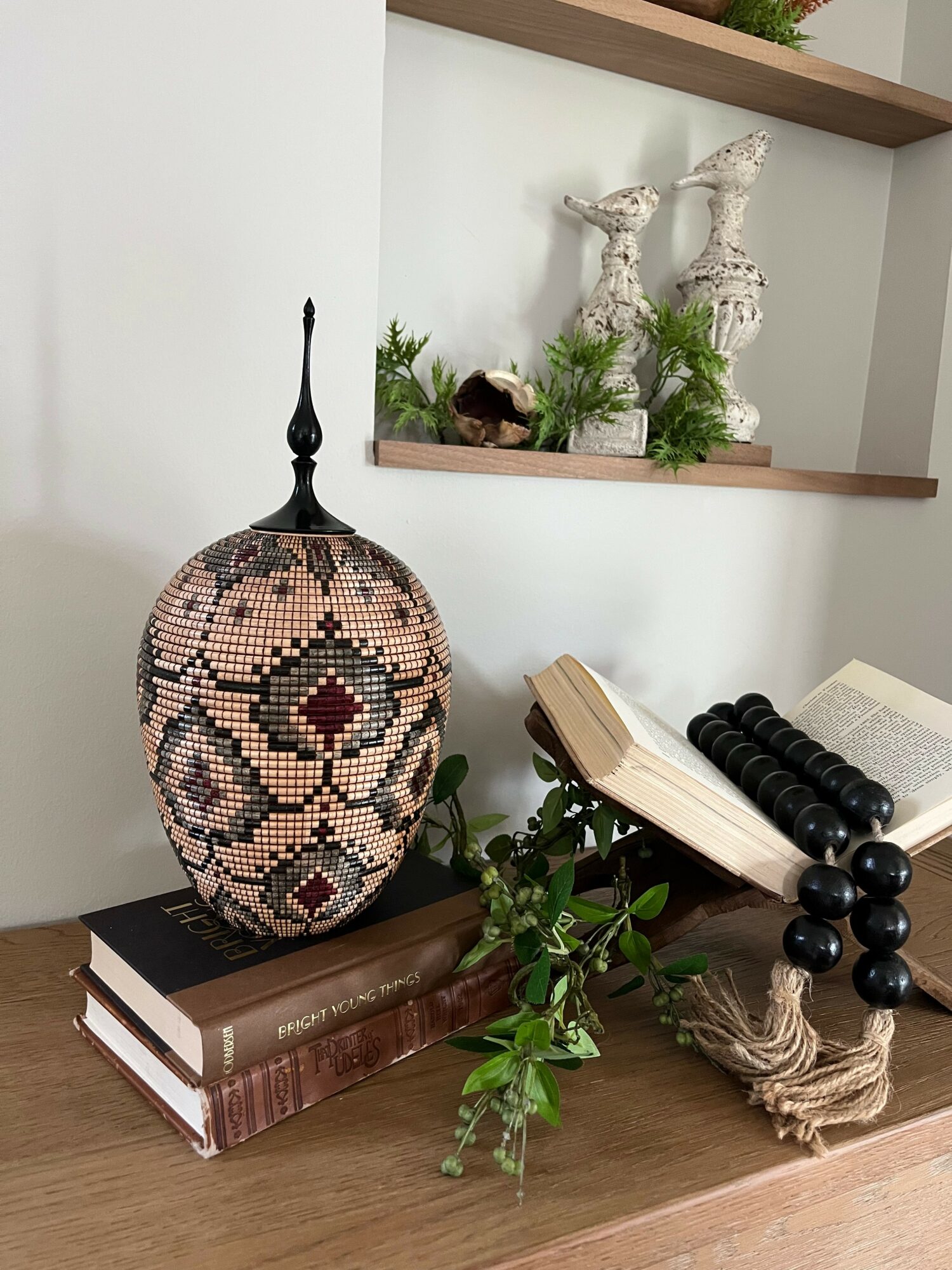
I am known for vase finials as well as a technique called ‘basket illusion.’ Finials are delicate turnings that sit atop vases and are a challenge to make due to their gentle nature and their specialized design forms. Basket Illusion is a technique I use where beads are cut into a vase, squares are wood burned and then hand-painted to look like a Native American woven basket. What sets me apart is that while a woodturner’s typical ‘basket illusion’ design is for Native American Baskets, I design them with a more modern, artistic look using brighter colors and designs.
We all have a different way of looking at and defining success. How do you define success?
To me, success is making someone smile when they see my pieces – especially with the Beads of Courage boxes. Just making those kids smile for a minute, despite their pain, was the best feeling.
I’m also encouraged when others see the beauty in my work and appreciate it enough to display it in their homes. That is truly a blessing.
Contact Info:
- Instagram: https://www.instagram.com/jimmarxwoodturning/
- Facebook: https://www.facebook.com/makermarx
- Other: https://makermarx.etsy.com