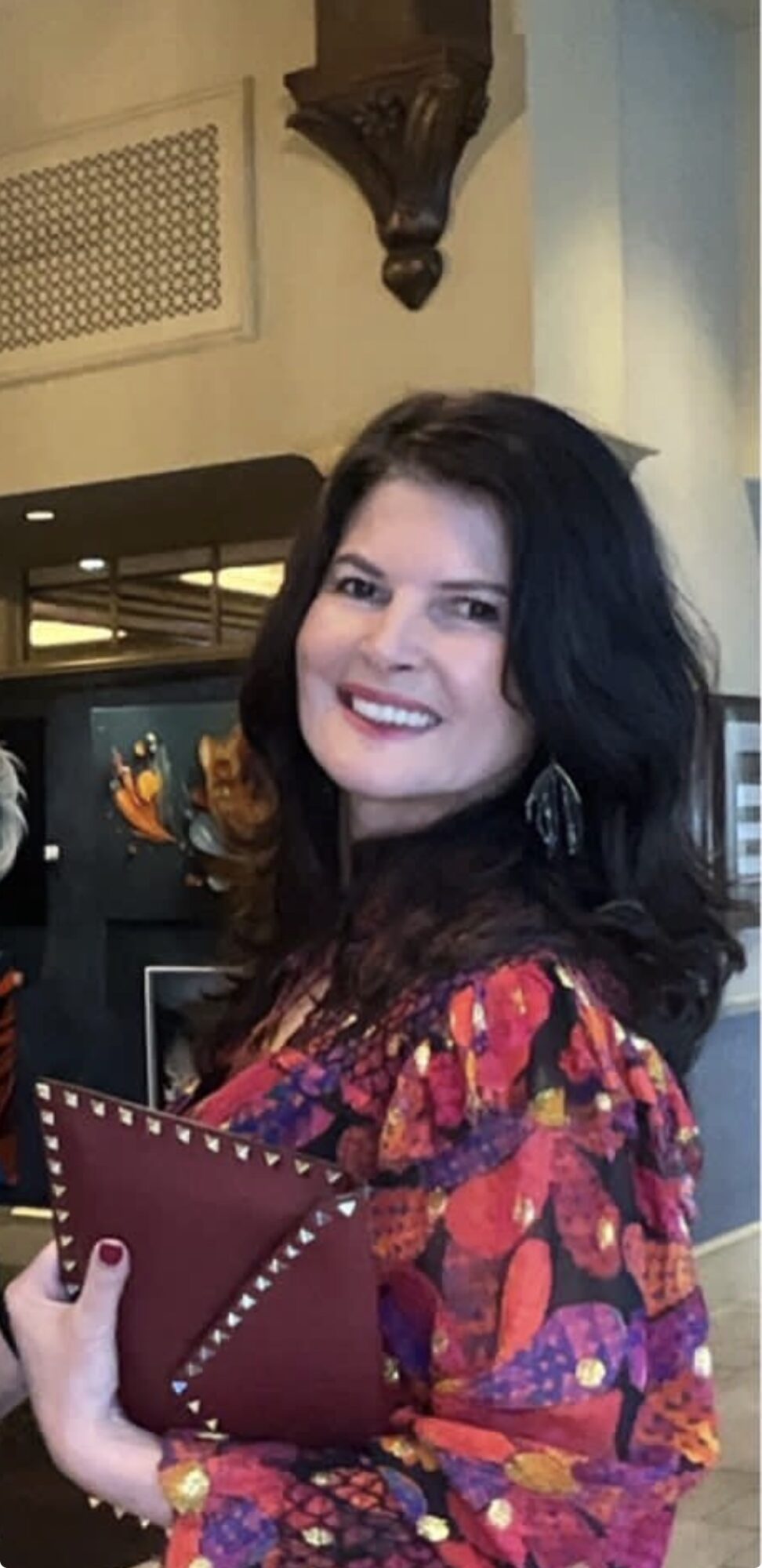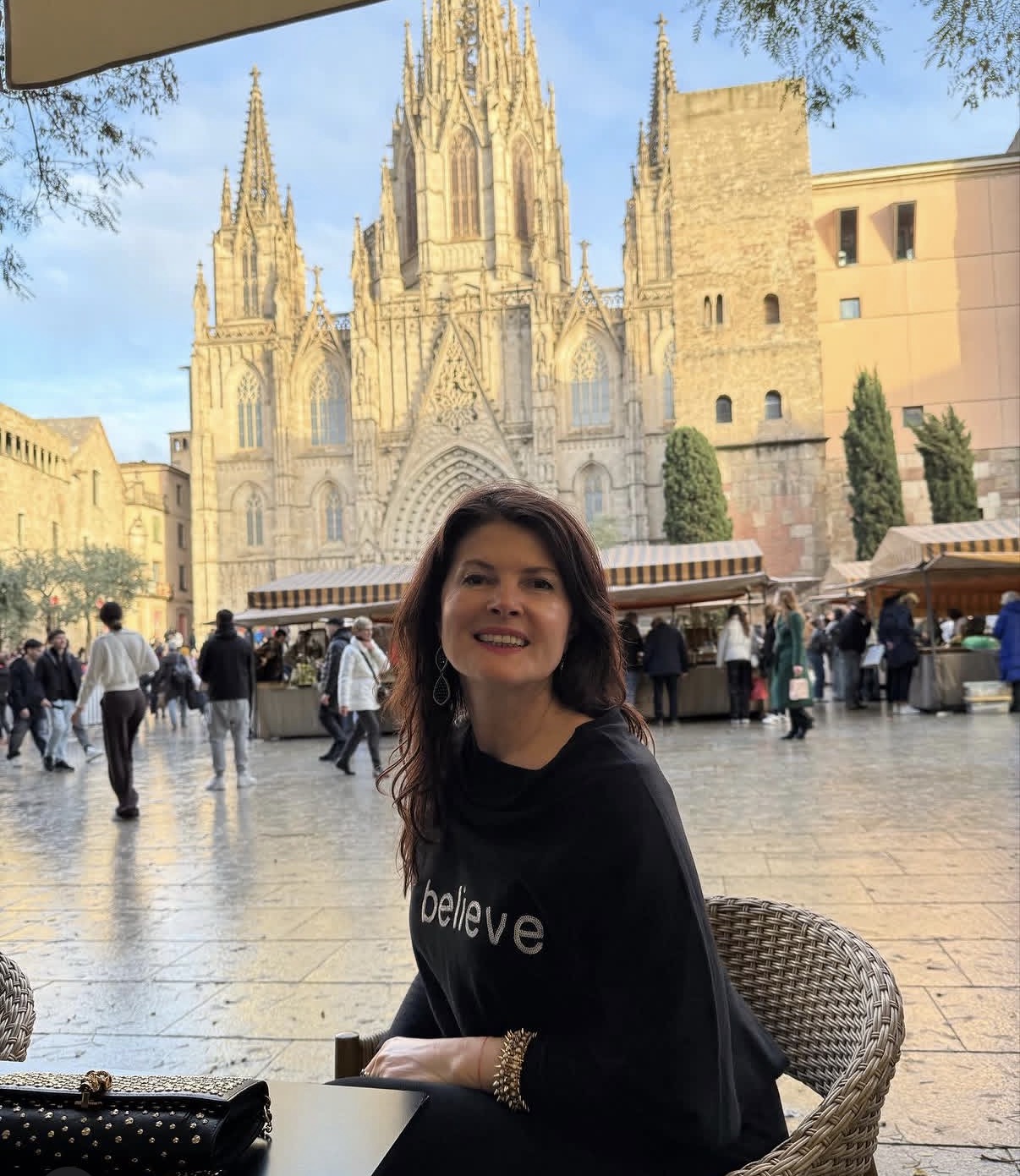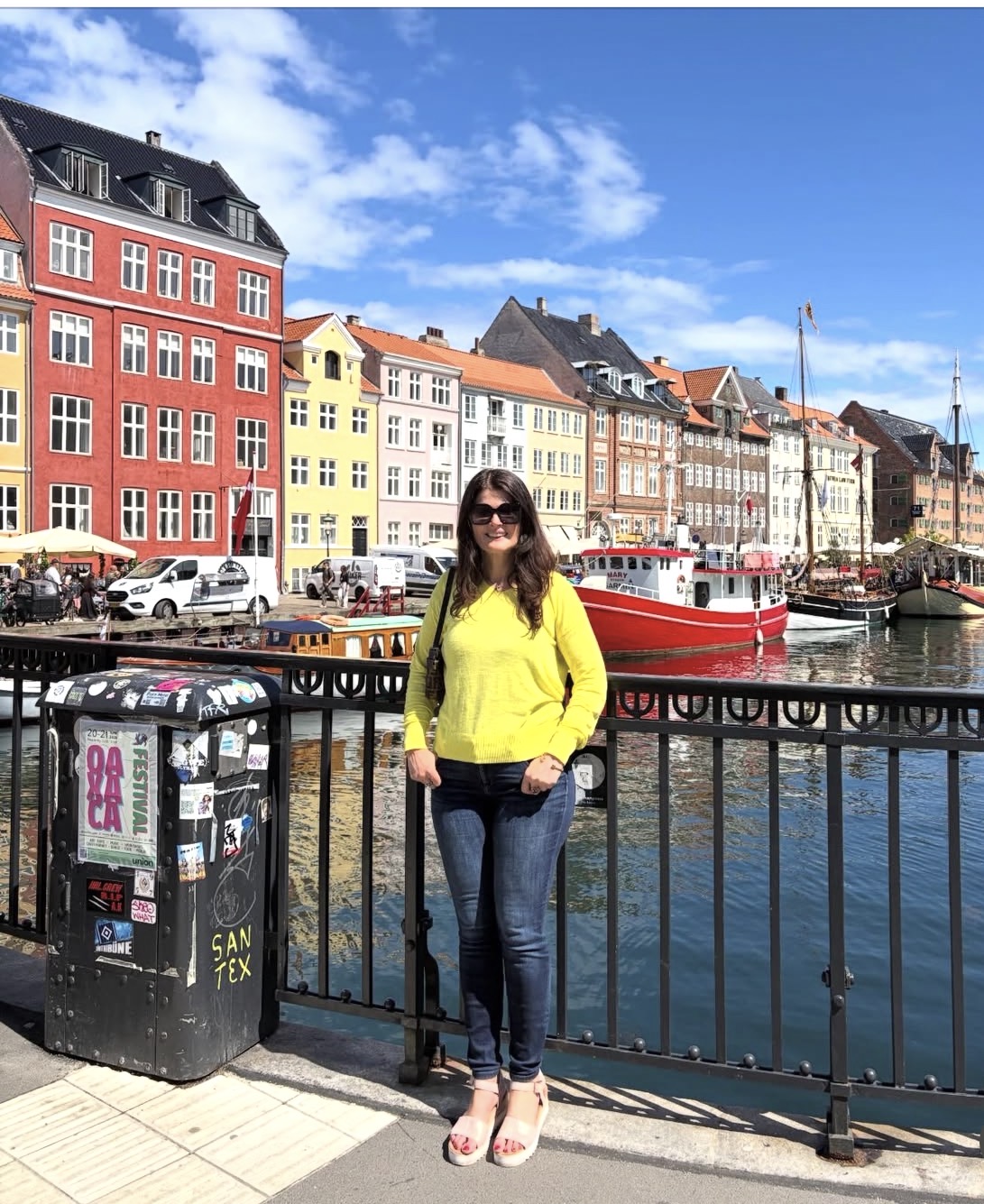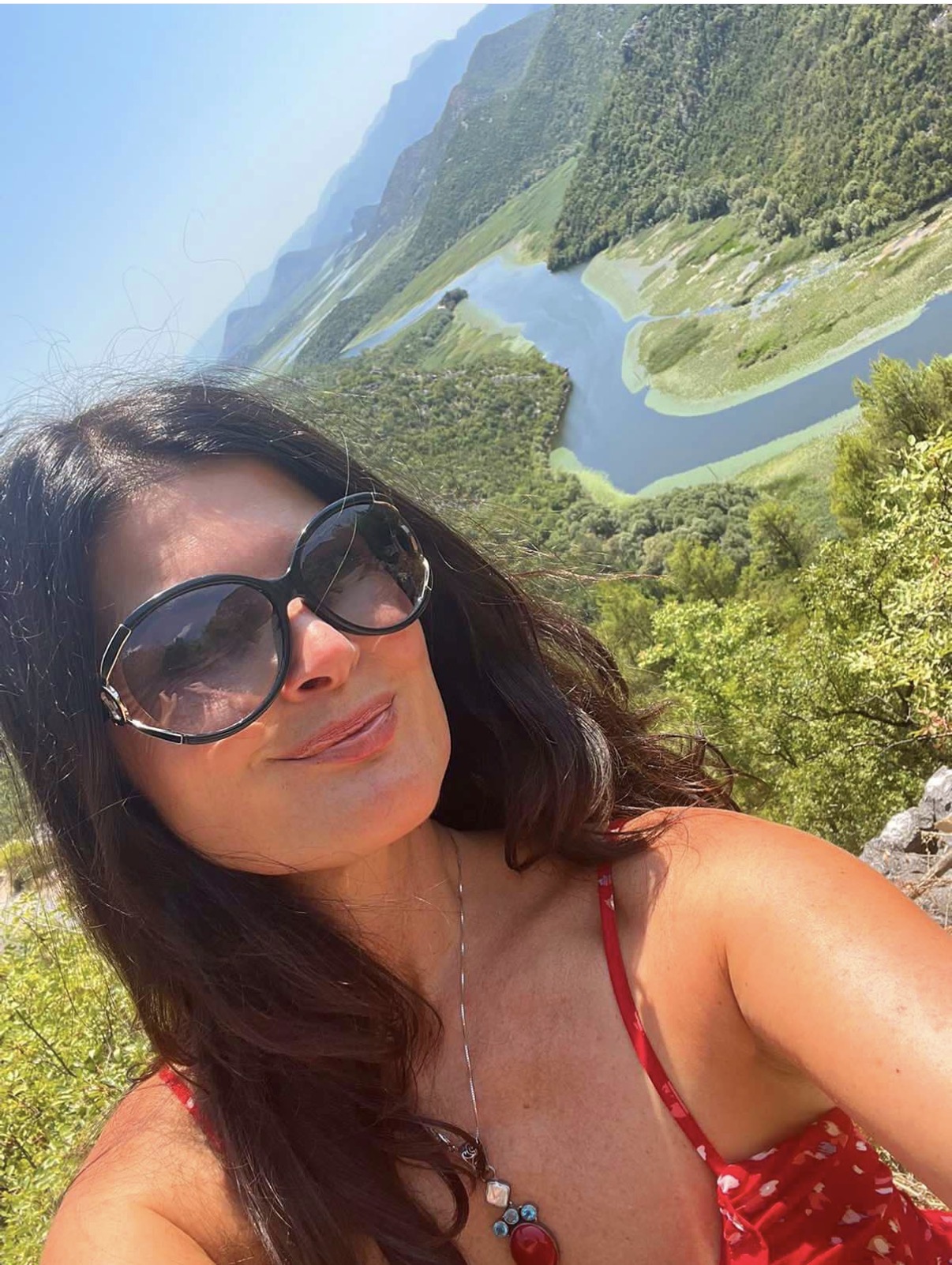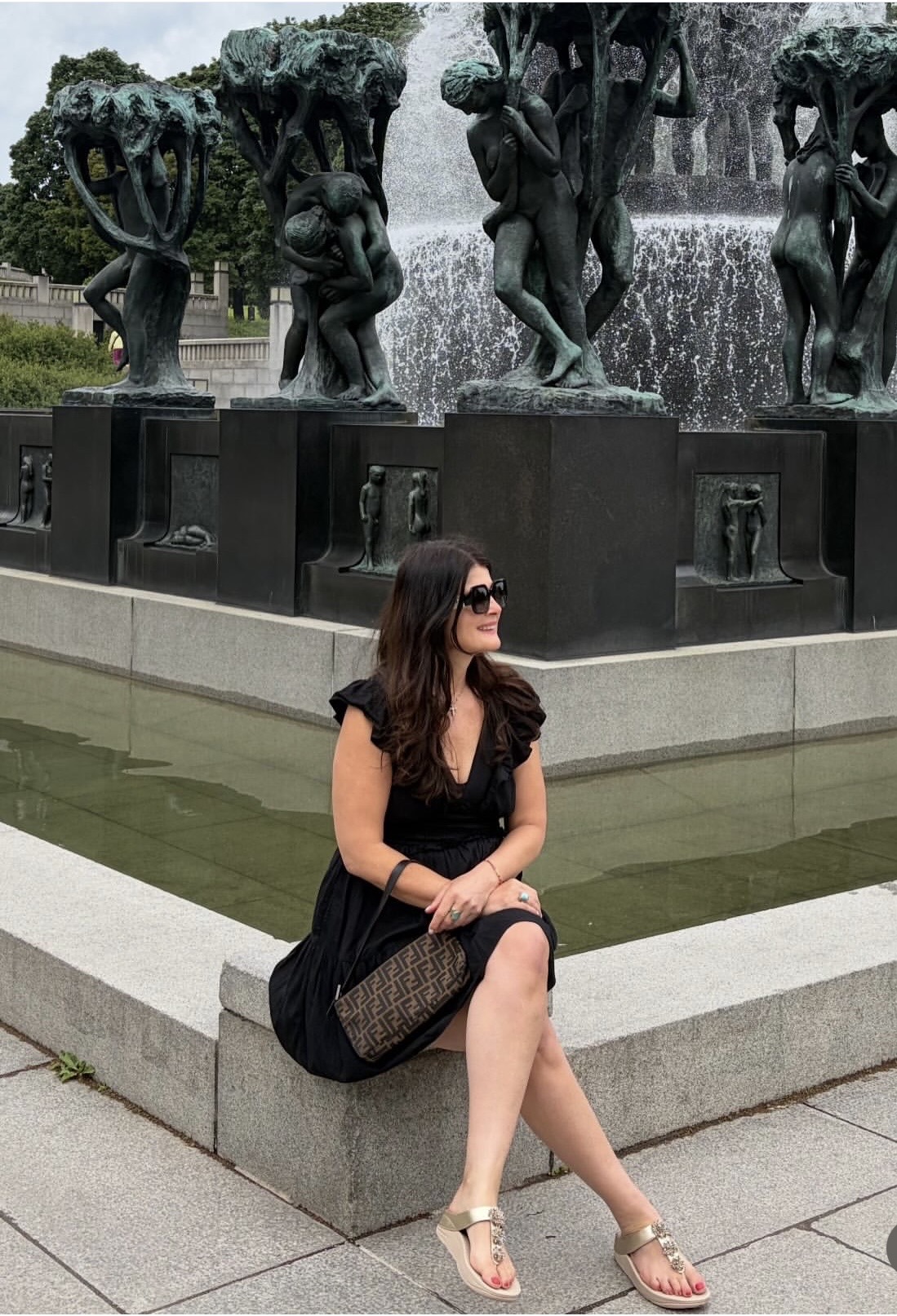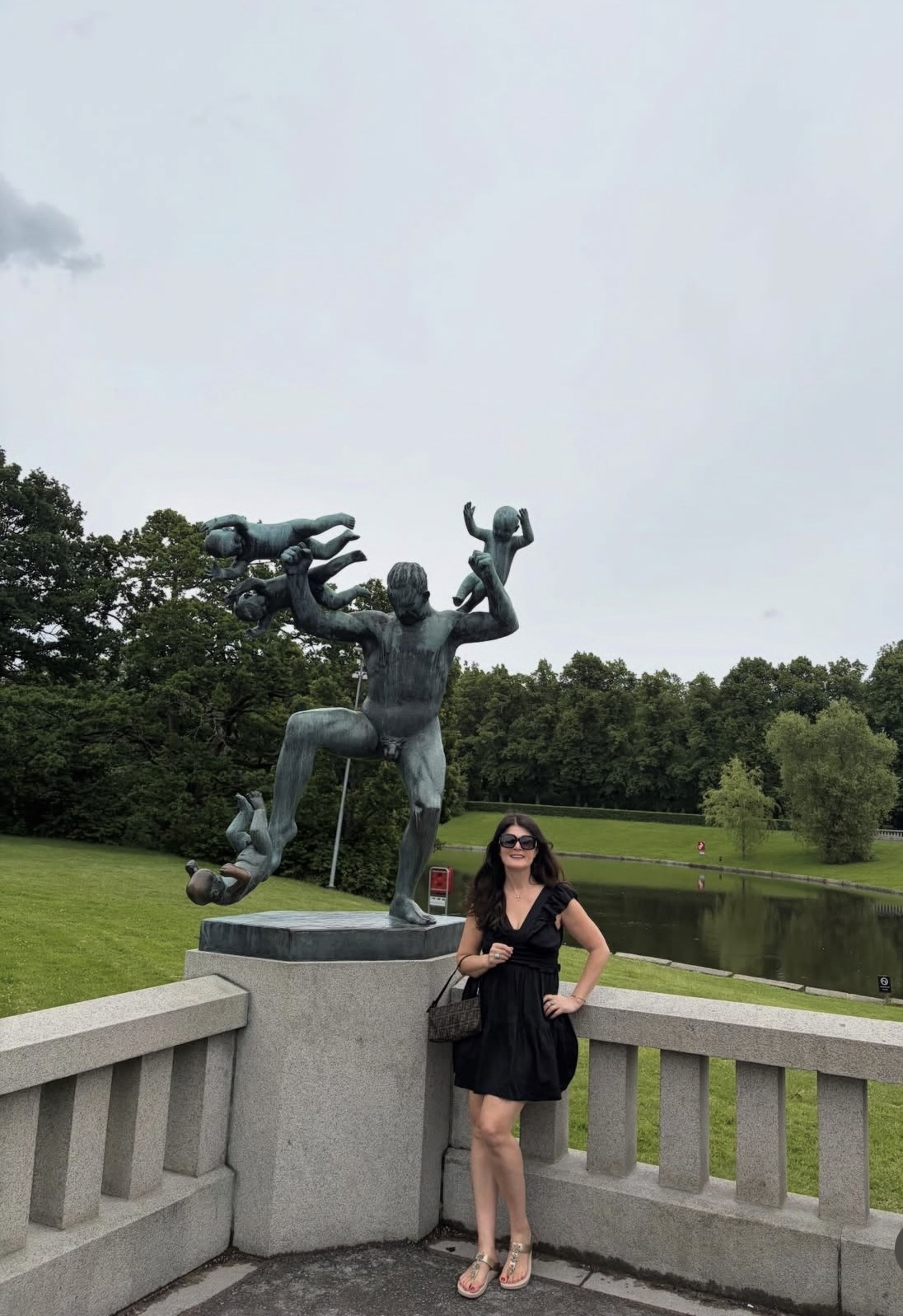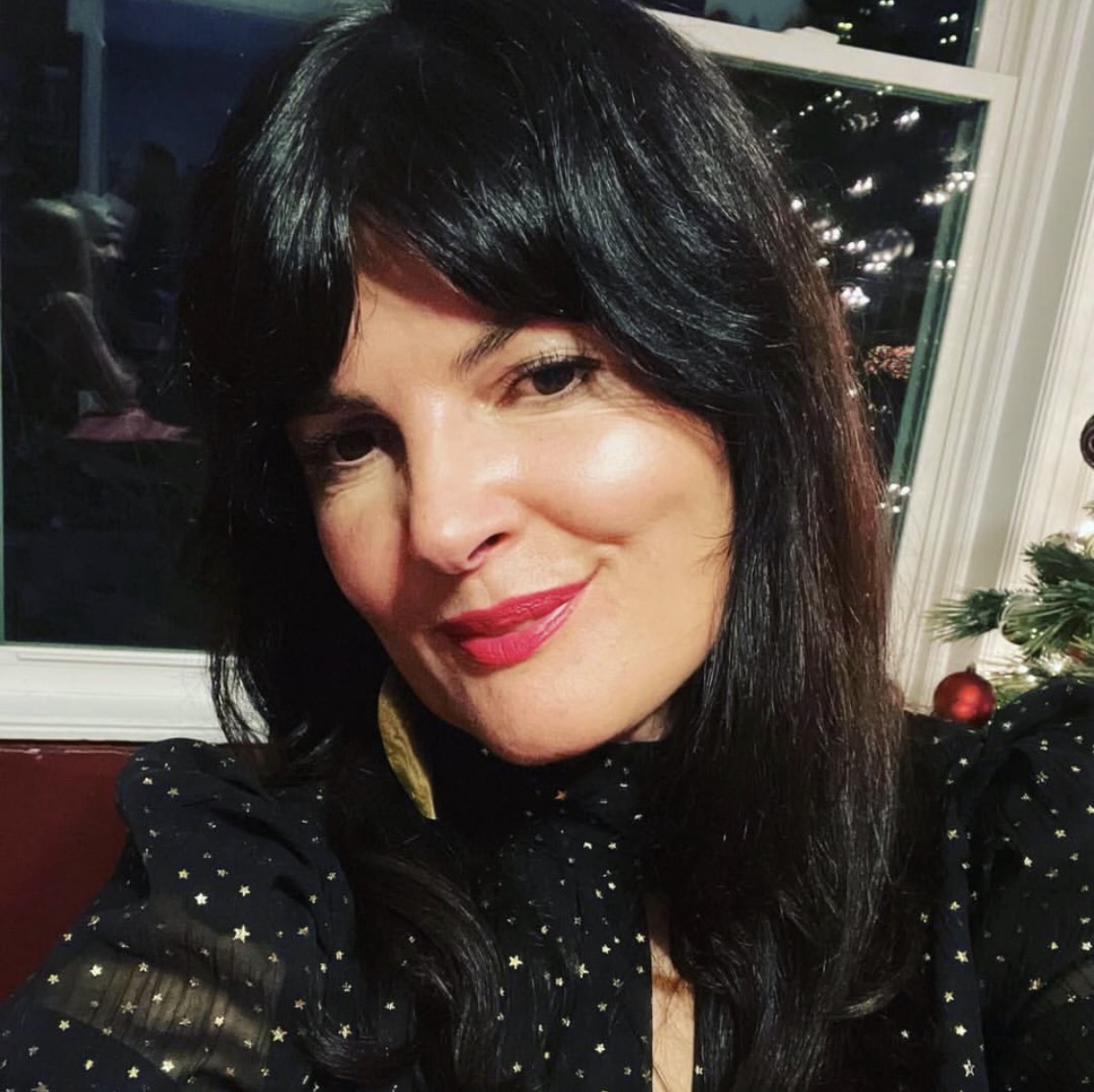
Today we’d like to introduce you to Dr. Davorka Marovic-Johnson.
Hi Dr. Davorka, we’re thrilled to have a chance to learn your story today. So, before we get into specifics, maybe you can briefly walk us through how you got to where you are today?
My story begins in the small Mediterranean country of Montenegro (formerly Yugoslavia), where I was born in the coastal town of Kotor. I am the oldest of three children, and I grew up surrounded by a close-knit family, a strong sense of community, medieval villages, and the beautiful Adriatic Sea. Looking back, I realize how fortunate I was to grow up in an environment where relationships, connection, and a sense of belonging were simply part of everyday life.
When I was 19 years old, I left Montenegro and came to the United States as an international student to pursue my education in psychology. Like many immigrants, I experienced the excitement of new opportunities alongside the loneliness, uncertainty, and identity shifts that come with rebuilding life in a new country. Looking back, I didn’t realize then how profoundly those experiences would shape both my personal life and the therapist I would become.
My own journey sparked a deep curiosity about resilience, relationships, and the ways our earliest experiences influence how we move through the world. That curiosity led me to earn a Bachelor’s degree in Psychology from the University of Tampa, a Master’s degree in Clinical Mental Health Counseling, and a PhD in Counselor Education and Supervision from the University of Missouri–St. Louis. Along the way, I pursued advanced training in Psychodynamic Psychotherapy, Brainspotting, HeartMath, and many evidence-based modalities that integrate the mind, body, and spirit, always looking for ways to better understand the complexity of human healing.
For more than 17 years, I’ve had the privilege of working with individuals recovering from trauma, including immigrants, refugees, survivors of torture and war, and people navigating grief, life transitions, relationship challenges, and identity struggles. I served as Clinical Supervisor at the Center for Survivors of Torture and War Trauma and later as Clinical Director at Bilingual International Services, where I provided therapy, supervised clinicians, developed trauma-informed programs, and collaborated with community organizations to improve access to culturally responsive mental health care.
My commitment to bridging research and community practice also led me to serve for nine years on the Community Advisory Boards for the Institute of Clinical and Translational Sciences and the Institute for Public Health at Washington University in St. Louis. In addition to my clinical work, I teach, supervise, and train mental health professionals both in the United States and internationally. I’ve presented at local, national, and international conferences, published research on trauma treatment, and developed continuing education programs for universities, healthcare organizations, and therapists around the world. Through both my personal journey and more than 25 years of clinical work, it has become profoundly clear to me that much of human suffering is rooted in unhealed relational wounds. I believe healing happens through safe, authentic relationships where people feel seen, understood, and accepted. My approach integrates neuroscience, attachment theory, psychodynamic psychotherapy, and evidence-based trauma treatments while honoring each person’s unique story, culture, strengths, and lived experience.
Today, I continue to work with individuals who want to understand themselves more deeply, heal old patterns, strengthen their relationships, and create lives that feel more authentic, connected, and meaningful. When I first arrived in the United States, I could never have imagined that my own journey of navigating change, loss, and belonging would become the foundation of my life’s work. Today, I see my role not simply as helping people overcome symptoms, but as helping them reconnect with themselves, their relationships, and the lives they want to create. It is a privilege I never take for granted, and I continue to be inspired every day by the remarkable resilience and capacity for healing that each person carries within them.
Would you say it’s been a smooth road, and if not what are some of the biggest challenges you’ve faced along the way?
It definitely hasn’t been a smooth road, but looking back, many of the challenges I faced have profoundly shaped both my personal growth and my professional philosophy. The first challenge was immigrating to the United States at 19. Although my aunt was here during parts of that time, she divided her life between the United States and Europe, so I still had to learn how to build a life largely on my own. I found myself navigating a completely different culture while learning to drive, mastering English, understanding the American educational system, building friendships, and creating a sense of home in a new country. There were times when I felt deeply lonely and overwhelmed. Those experiences taught me firsthand how essential relationships and a sense of belonging are to our emotional well-being.
That realization stayed with me throughout my academic journey. During my doctoral dissertation, I studied the role of relationships in immigrants’ adjustment by interviewing immigrants from across the United States. My research reinforced what I had experienced personally: while practical challenges matter, meaningful relationships and supportive communities are often the strongest predictors of successful adjustment and resilience. That understanding continues to shape the way I work with clients today.
Another challenge has been the emotional demands of working in trauma recovery for more than 17 years. At the Center for Survivors of Torture and War Trauma, I had the privilege of working with individuals who had endured unimaginable suffering. While it was incredibly meaningful work, bearing witness to that level of pain inevitably leaves an imprint on the therapist as well. During my doctoral studies, this led me to research relational neuroscience and examine how clients’ emotional states affect therapists’ brains using quantitative EEG (qEEG). I wanted to better understand not only how trauma impacts clients, but also how it affects the clinicians who sit with them every day. The experience deepened my appreciation for the importance of therapist self-awareness, supervision, consultation, and self-care. Clinicians are not immune to the emotional, physical, and relational impact of this work, and acknowledging that reality ultimately allows us to care for others more effectively.
On a personal level, another ongoing challenge has been building a life far from my family. Most of my family still lives in Montenegro. My son recently graduated from San Diego State University and is beginning his own journey in Chicago, so much of my support system has been intentionally built through close friendships, and activities that bring me joy and keep me grounded. Being single, running a practice, and holding space for others every day requires resilience and a genuine commitment to caring for my own well-being.
I truly love the work I do, but it isn’t always easy. Working in mental health requires us to remain present with some of the most painful experiences people can endure, which makes self-care essential rather than optional. Spending time with friends, traveling, exploring new cultures, being in nature, staying physically active, and continuing my own personal growth allows me to show up more fully—for myself and for the people who trust me with their stories.
The challenges I’ve experienced, both personally and professionally, have given me a deeper appreciation for the resilience of the human spirit. They continue to remind me that healing is not about avoiding suffering, but about having the support, relationships, and inner resources to move through it with greater awareness, connection, and hope.
Great, so let’s talk business. Can you tell our readers more about what you do and what you think sets you apart from others?
What truly sets my practice apart is the way I integrate science, depth psychology, and experiential therapies into one cohesive approach. As a doctoral-level clinician with over 25 years of experience, my work is grounded in relational neuroscience, attachment theory, psychodynamic psychotherapy, and Emotionally Focused Therapy, while also incorporating brain-based interventions such as Brainspotting, clinical hypnosis, somatic techniques, and HeartMath.
Many clients have spent years talking about their problems and have gained valuable insight, yet still find themselves repeating the same emotional and relational patterns. Insight is important, but it is not always enough. Some experiences, especially trauma and early relational wounds, are stored in implicit memory and within subcortical brain structures and the nervous system, making them difficult to fully access through talk therapy alone.
This is why I integrate approaches such as Brainspotting, HeartMath, and clinical hypnosis when appropriate. These approaches help clients access deeper emotional and physiological processes that may not be fully available through conscious awareness alone. Combined with nervous system regulation and a strong therapeutic relationship, they can help clients process experiences at a deeper level while feeling safe, grounded, and connected throughout the process.
Another aspect that distinguishes my practice is the Therapy Blueprint, a comprehensive assessment process that I developed to understand each client’s unique story before treatment begins. Rather than applying the same approach to everyone, I explore attachment history, family patterns, current relationship dynamics through a relational neuroscience assessment, strengths, unhelpful thinking styles, values, and lifestyle factors to create an individualized roadmap for therapy.
Ultimately, I don’t believe healing comes from any single technique. It comes from thoughtfully integrating the right approaches for the right person at the right time. I am an extremely curious person, always marrying therapeutic approaches in unique ways and exploring what speaks to my clients. I genuinely believe that every client has the capacity to heal, and I always hold that story in my mind’s eye. However, healing requires everyone to participate. As I share on my Psychology Today profile, I work best with individuals who are disciplined, motivated, and ready to engage in the process. Showing up to therapy a couple of times a month without doing any work in between sessions will not lead to meaningful change. Lasting transformation requires discipline, commitment, curiosity, and a willingness to actively participate in the healing process. My goal is to help clients not only feel better but also understand themselves more deeply, build healthier relationships, discover their purpose, cultivate meaningful careers, honor their unique gifts, contribute to the world in ways that feel authentic and fulfilling, and create lasting, meaningful change.
What makes you happy?
What makes me happy? The list is long.
My son, my family, and my friends are at the heart of it. Some of my happiest moments are the simplest ones—seeing my mom’s face when I show up to visit, spending time in her organic garden, or being with my dog, Oskar, in Montenegro. Oskar is a true free spirit, and there’s something beautiful about watching him enjoy life so completely.
Nature is another source of joy and renewal for me. I love swimming in the Adriatic Sea, soaking up the Mediterranean sunshine, hiking, being around animals, and spending time outdoors. Traveling and experiencing different cultures always leaves me feeling inspired and reminds me how much we can learn from one another. I’m also a big believer in nourishing both the body and mind, so I appreciate good, wholesome food—especially fresh, organic food shared with people I love.
I am deeply moved by acts of kindness, generosity, and altruism. Organizations and individuals who dedicate their lives to humanitarian causes, protecting vulnerable people, and caring for animals give me hope. They remind me that, despite the suffering we often witness, there is also tremendous goodness in the world. Ultimately, what makes me happiest are relationships, meaningful experiences, nature, opportunities to keep learning, and moments of genuine connection. Those are the things that nourish my soul and keep me grounded, grateful, and hopeful.
Contact Info:
- Website: https://www.davorkamarovic.com/
- Instagram: @drdavorkamarovic
- Facebook: https://www.facebook.com/davorkamaroviccounseling
- LinkedIn: https://www.linkedin.com/in/davorka-marovic-phd-lpc-821416103
- Other: https://www.psychologytoday.com/us/therapists/davorka-marovic-johnson-saint-louis-mo/1672952