Today we’d like to introduce you to Emily Dustman, Scientist. Artist. Educator.
Hi Emily, so excited to have you with us today. What can you tell us about your story?
“When you’re not looking, cladocerans are dancing.”
From a very young age, I have been consumed by the micro- and macro-world that surrounded me. I spent sunrise to sunset exploring creeks and forests, collecting critters, and observing specimens under my microscope. I had collections of insects, bones, rocks, and plants; illustrations of flora, fauna, and paintings of vibrant turtle plastron patterns; I wrote various nature-based fictional stories like that of the community of flower people residing in Jack-in-the-pulpits. If I was not outside, I was indoors discovering another world through my microscope. I vividly recall the day that I decided to look at a drop of pond water under my microscope. With transfer pipette in hand, I drew water up from the bottom of the aquarium and deposited the unknowingly life filled drops into the depression slide. Peering into the objective, I observed my very first cladocerans, the first being Daphnia pulex, followed by hundreds of others to be identified and drawn. To my eyes, they were all dancing. It was such a magical moment, and I was absolutely astounded by this world I did not even know existed.
This is just a small glimpse into my childhood and life trajectory, but I have not stopped loving both science and art. I have remained curious, and my mind has yet to stop observing and asking questions. It is through a life of inquiry that I have been and continue to be shaped as an individual. And no matter my age or life experiences, I still carry with me an innate ability to see the beauty in the natural world and I have a never-ending sense of bewilderment with it all.
—
My background in biology and ecology has guided me through a career devoted to integrating science, art, and education. I hold a Bachelor of Science in Ecology, Evolution, & Environment from Southern Illinois University-Edwardsville and a Master of Science in Biology from Murray State University (2010). In 2015, I expanded my expertise by earning a postgraduate degree in Natural Science Illustration from the Rhode Island School of Design, blending my scientific knowledge with visual storytelling. I have served in myriad roles, from ground-level to top-down leadership—including field researcher, college instructor, informal educator, and director of science communication and education. My experience spans hands-on research and teaching to shaping policy, developing curricula, and leading large-scale science education initiatives at institutional and federal levels. Each of these positions has shaped my approach to integrating art and science, allowing me to explore new ways of engaging diverse audiences. Whether in the field, the classroom, or leading large-scale educational initiatives, my work is driven by a commitment to making learning immersive, accessible, and impactful. Currently, I am pursuing a Ph.D. at Saint Louis University, where my research focuses on integrating art into science education to enhance learning and engagement.
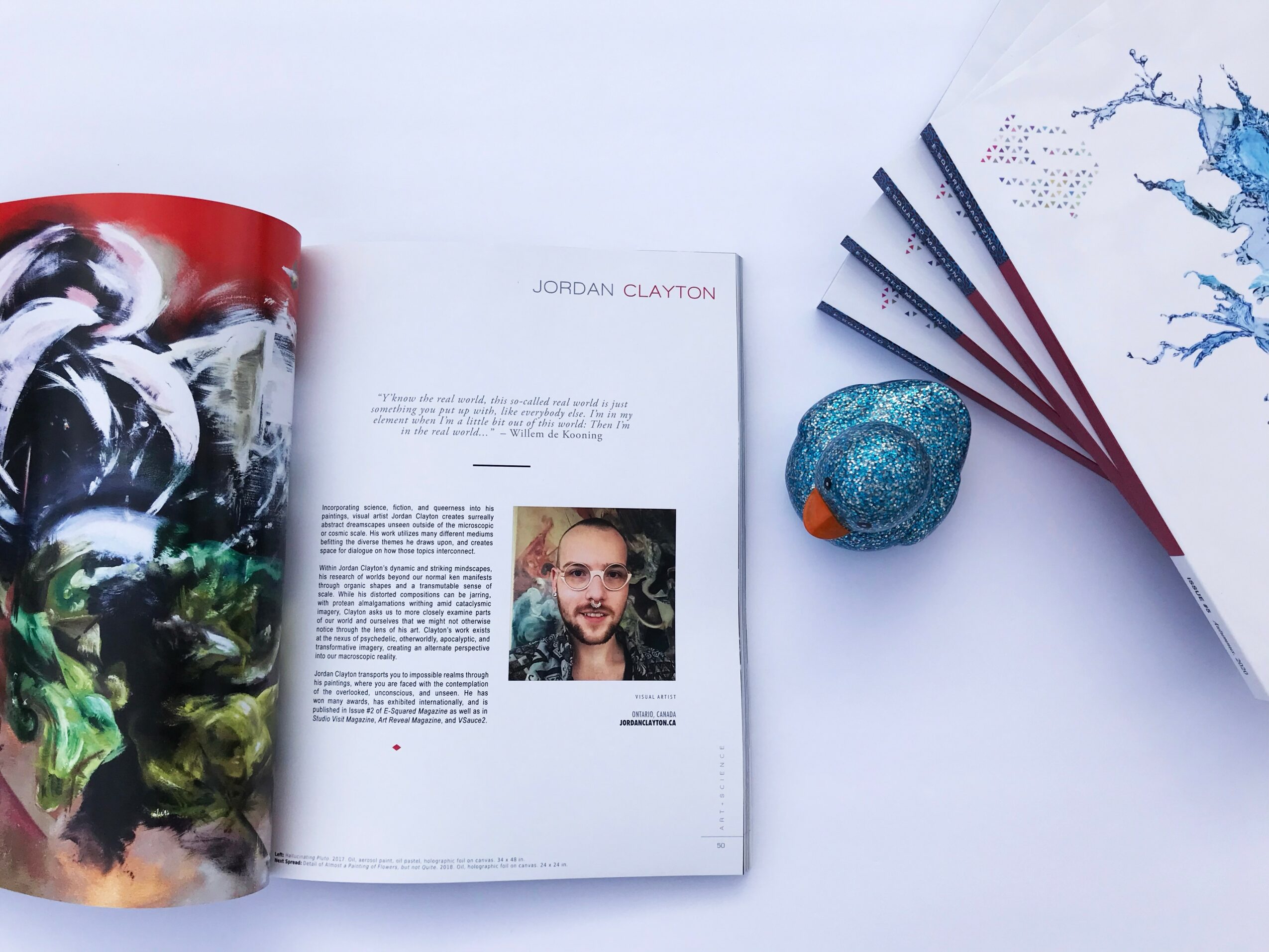
This passion for merging disciplines led me to establish E-Squared Magazine, an international art and science publication that explores pressing global issues through a creative lens. The magazine has released six issues, with another on the way, featuring voices from around the world that inspire action on topics like climate change, sustainability, and scientific innovation.
We all face challenges, but looking back would you describe it as a relatively smooth road?
Absolutely NOT! I’ve faced numerous challenges along my journey, and while there’s not enough space to go into detail, the key lesson I’ve learned is to embrace boldness. Sometimes, it’s necessary to challenge conventions and break the rules in order to grow and create change. So be bold and bend…even break the rules. If you have something that you really want to do, you do not always have to follow the rules and it does not have to make sense to everyone else. I can’t tell you how many times I have interviewed for jobs and the person interviewing me told me I needed to pick a lane, that I was working in too many disciplines, or they questioned what it was I was even trying to do. Not everyone is going to understand you. Doing something new or unconventional is not always easy though and is typically met with criticism. It is not uncommon to hit roadblocks or hear things like, “That is not how things are done,” but I encourage you to keep forging your own path regardless. When I was in the scientific illustration program at Rhode Island School of Design, my mentor always told me that I was breaking the rules of scientific illustration and that my work created a certain kind of tension. You know what else she told me? To keep doing it.
Also, I want you to know it’s OK to quit. If something doesn’t serve you, don’t hesitate to walk away. Personally, I’m all about building an authentic identity and research body that reflects who you truly are. I did exceptionally well in my first year as a PhD student, but when my funding stream was switched to a different project—far from what I was promised—I walked away and started over at a new institution. It wasn’t an easy decision, but I knew I couldn’t stay in a situation that no longer aligned with my goals.
We are often conditioned to accept things as they are, to not “rock the boat,” or to be grateful for—quite frankly—what has often become the bare minimum in our society. It’s perfectly OK to demand more. More from the people around us. More from our relationships, our work, and the world. Asking for more doesn’t mean being difficult; it means recognizing your worth and refusing to settle for less than what’s fair or fulfilling. We grow when we challenge the status quo, when we expect others to rise to the occasion, and when we push the boundaries of what’s possible in our own lives.
That mindset has shaped my work and the choices I’ve made. It’s easy to get swept up in the systems others have built, but at the end of the day, you’re not just a tool for someone else’s agenda. You have to advocate for yourself and your vision. Quitting doesn’t always mean failure—some of my best lessons have come from “failing.” More often than not, failure is just a course correction leading to something better.
Thanks for sharing that. So, maybe next you can tell us a bit more about your work?
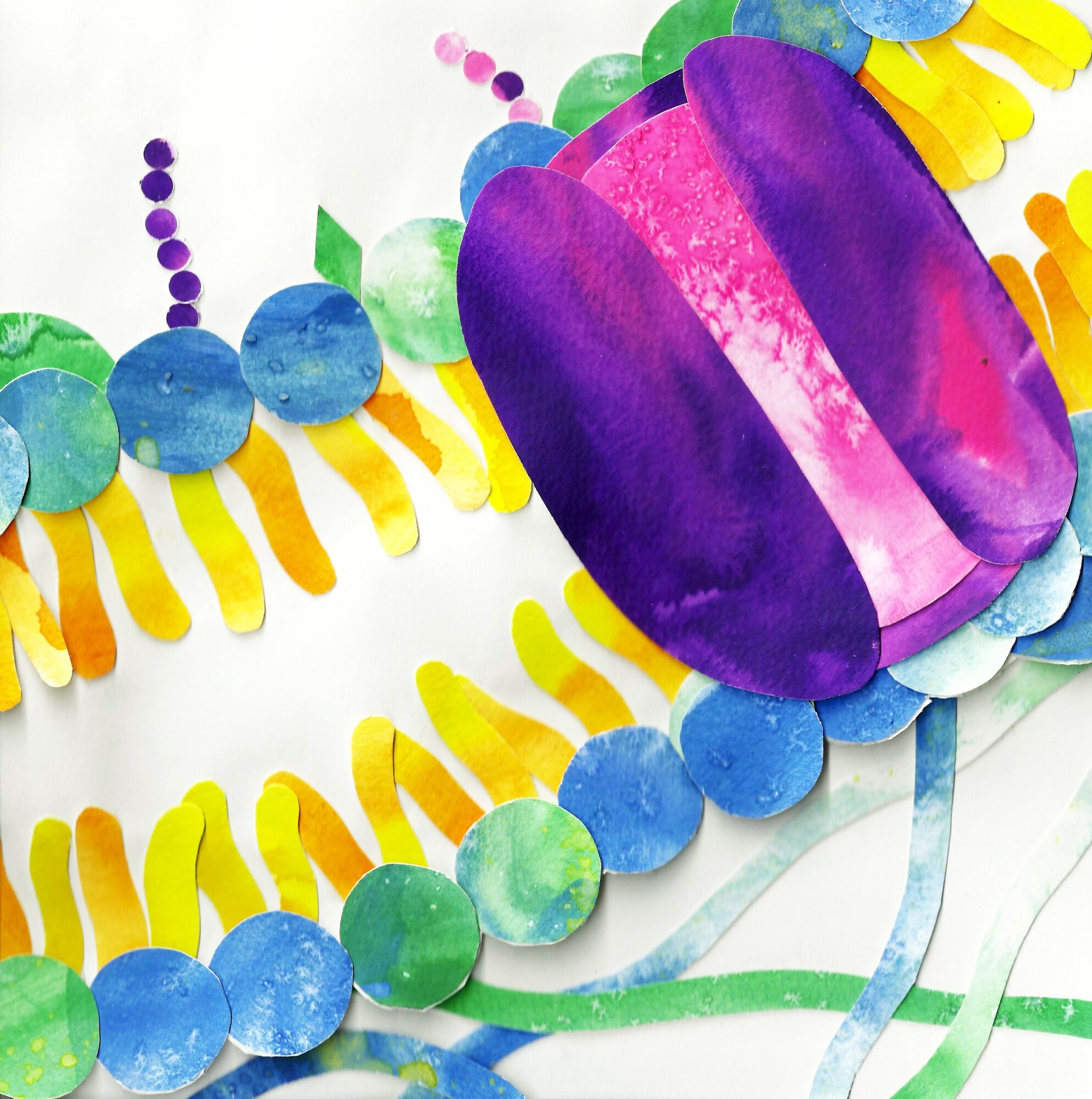
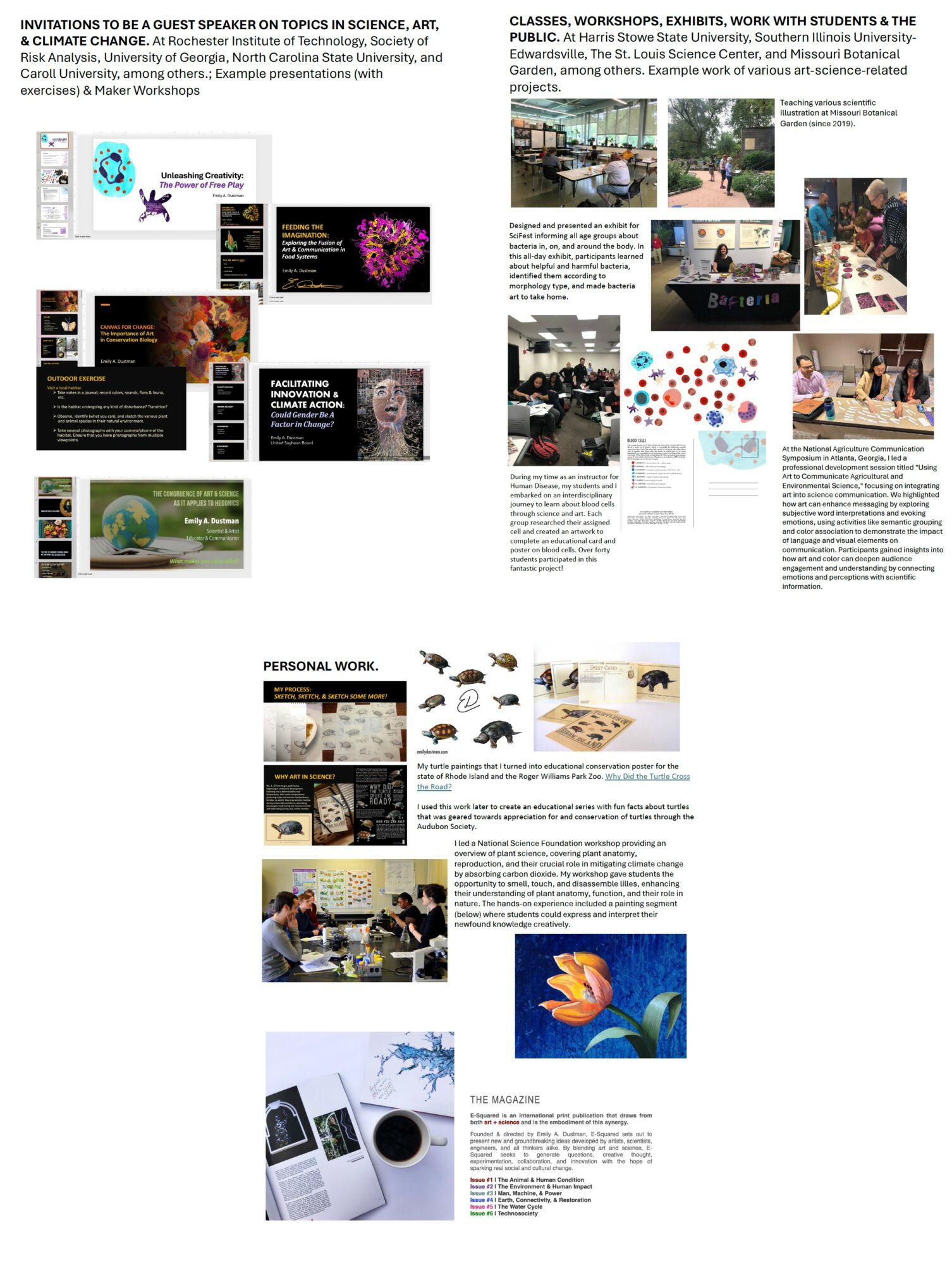
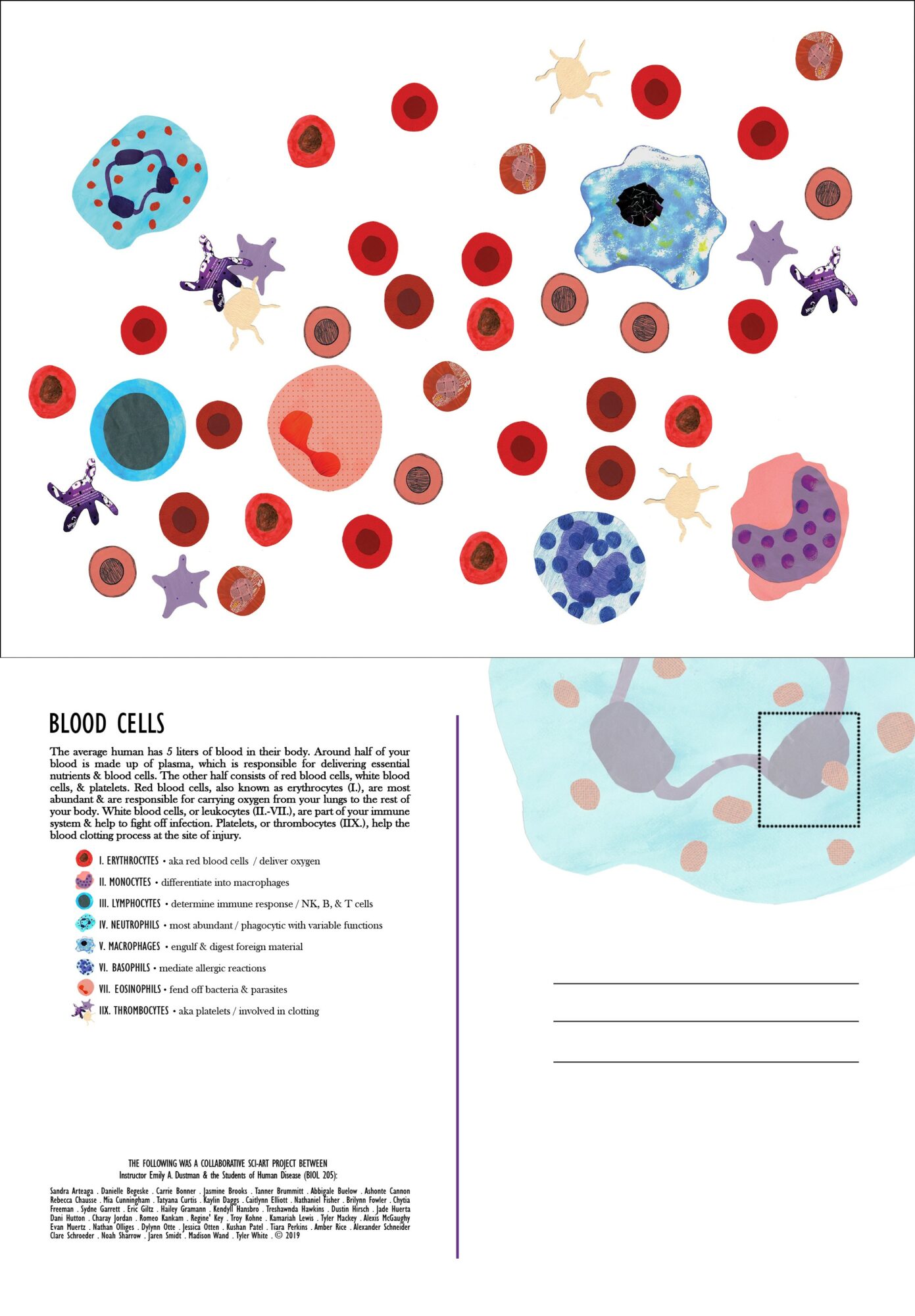
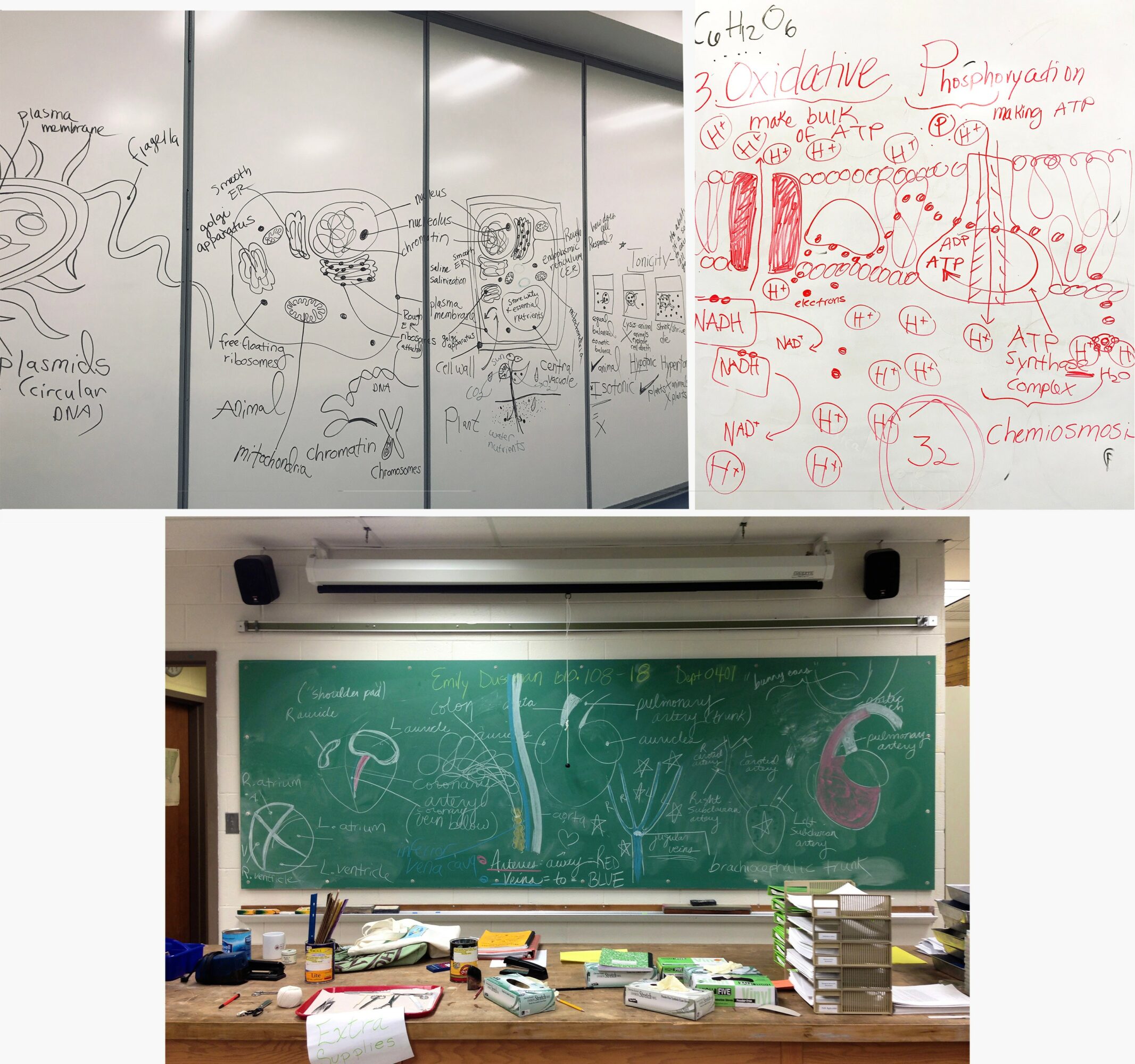
I’m a multidisciplinary artist who weaves art, science, and education into nearly everything I do. My work explores the intersection of creativity and inquiry, using visual storytelling to make complex scientific concepts more accessible. For example, while teaching Human Disease to pre-med college students, I realized how challenging it can be to grasp the complexities of the immune system. To help, I divided the class into groups and assigned each a different immune cell. We then collaged each cell type and later moved them around the room to simulate their movement within the body. By the end, we had created a large, educational postcard that visually represented the immune system in action. This process of co-creation is at the heart of everything I do, as it fosters collaboration, creativity, and a deeper connection to the subject matter.
Something I am really proud of––
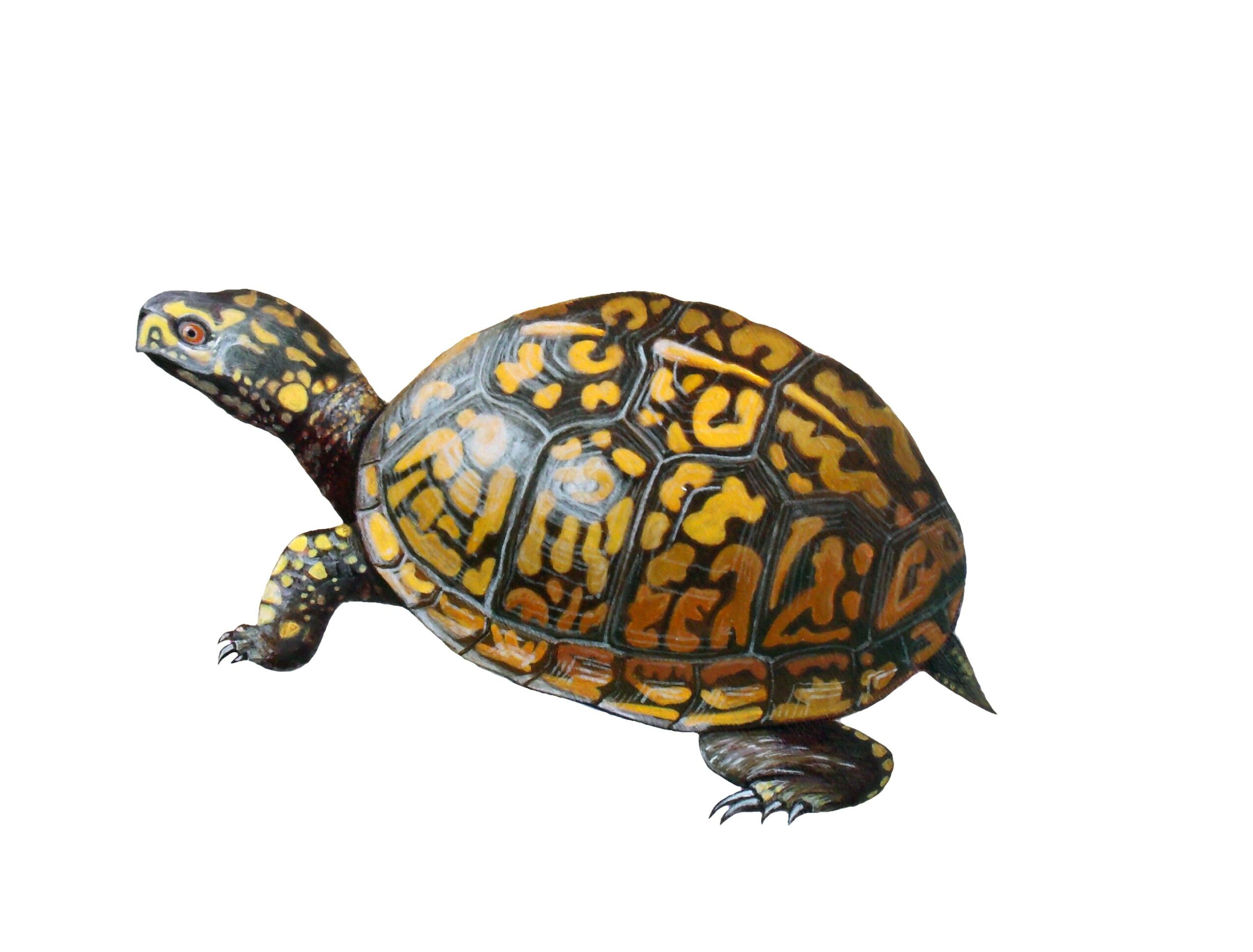
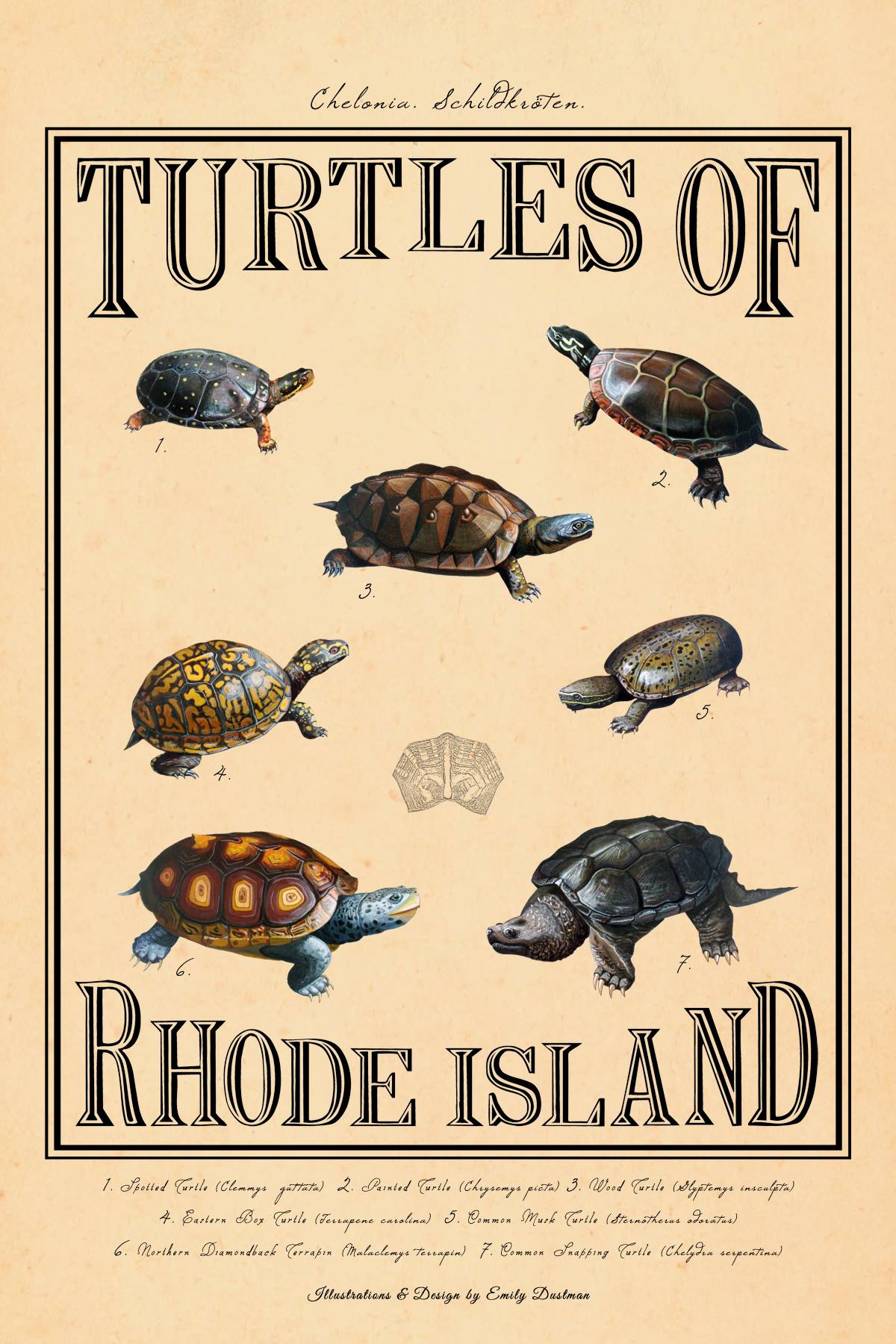
I was commissioned to paint the Turtles of Rhode Island for the Roger Williams Park Zoo, which I later developed into a conservation education poster. Building on that project, I created the Turtles of Rhode Island postcard series, which included fun facts about the turtles to help people learn more about these fascinating creatures living in their backyard. The postcards were made available at locations like the Audubon Society, offering an engaging and educational way for the community to connect with local wildlife.
Through the poster and postcard series, I became deeply engaged with print media, which ultimately inspired me to launch E-Squared Magazine in the spring of 2016. This international print publication merges my passion for art and science, providing a platform for groundbreaking ideas from artists, scientists, engineers, and other innovators. With the release of Issue #1 in November 2016, I set out to foster creative thought, experimentation, collaboration, and innovation with the hope of sparking real social and cultural change.
Whether through illustration, mixed media, or interactive workshops, I aim to foster curiosity and a deeper connection to the natural world. I believe that art has the power to bridge gaps in understanding, and I’m always looking for ways to engage people in that dialogue.
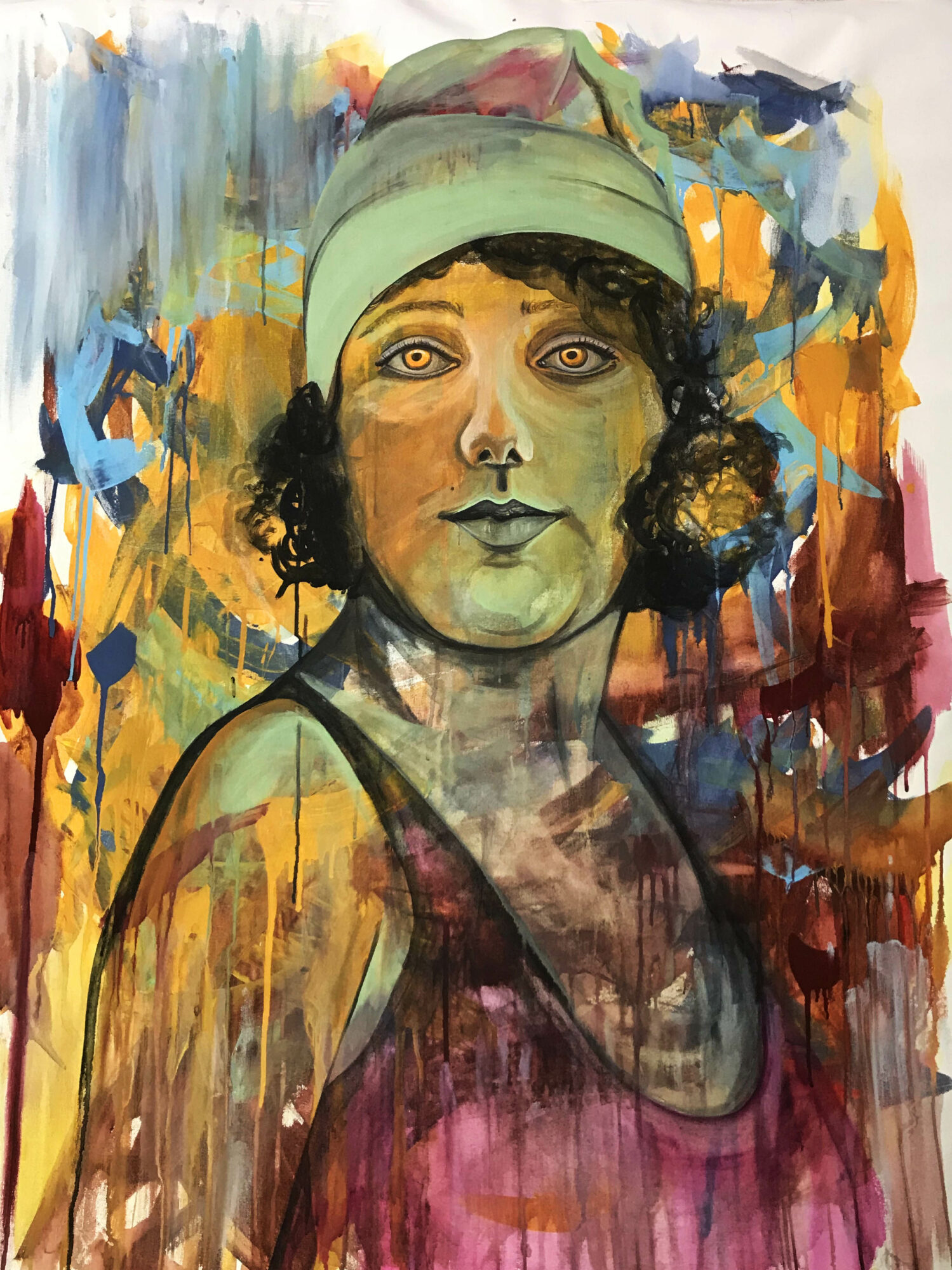
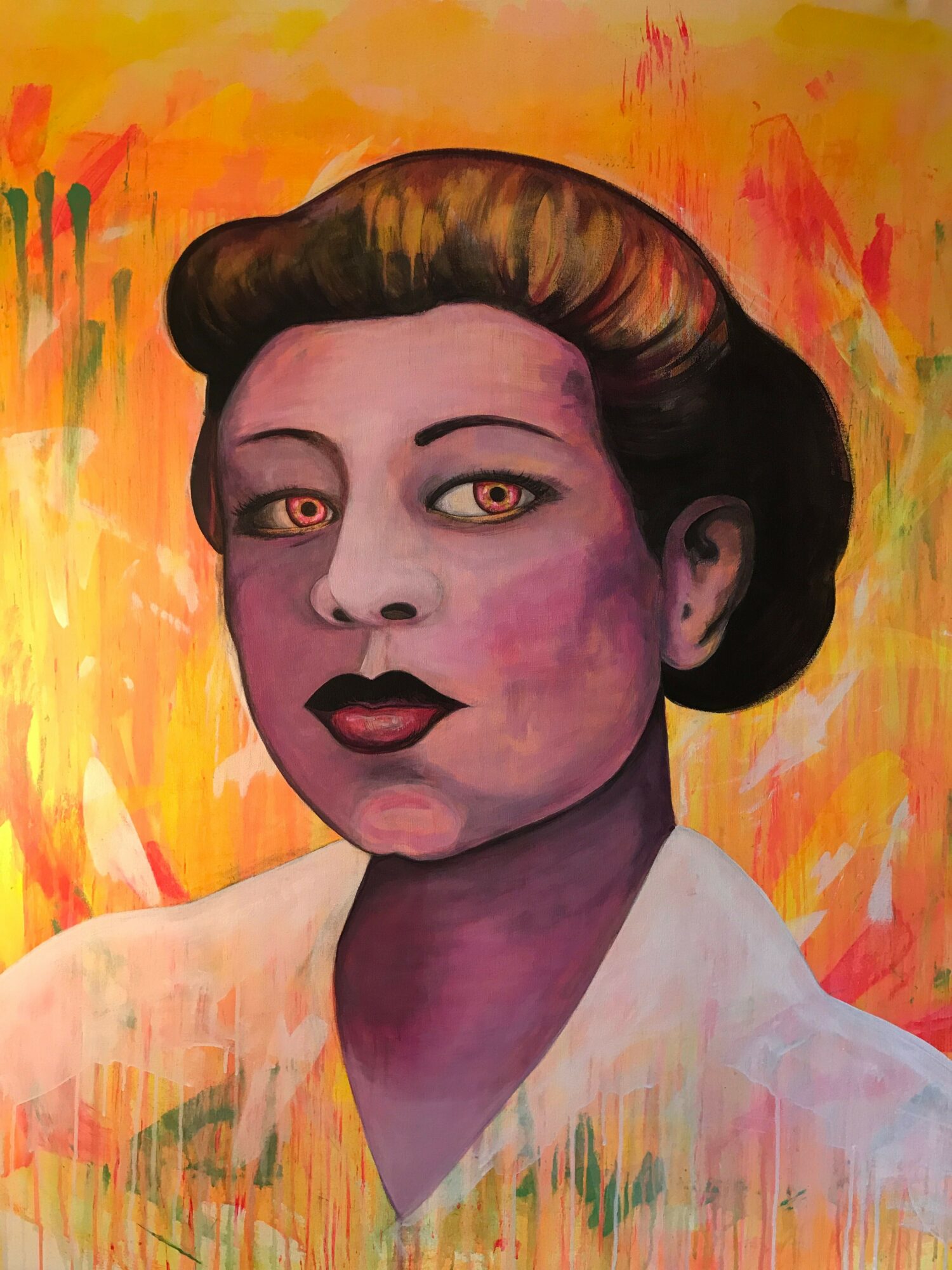
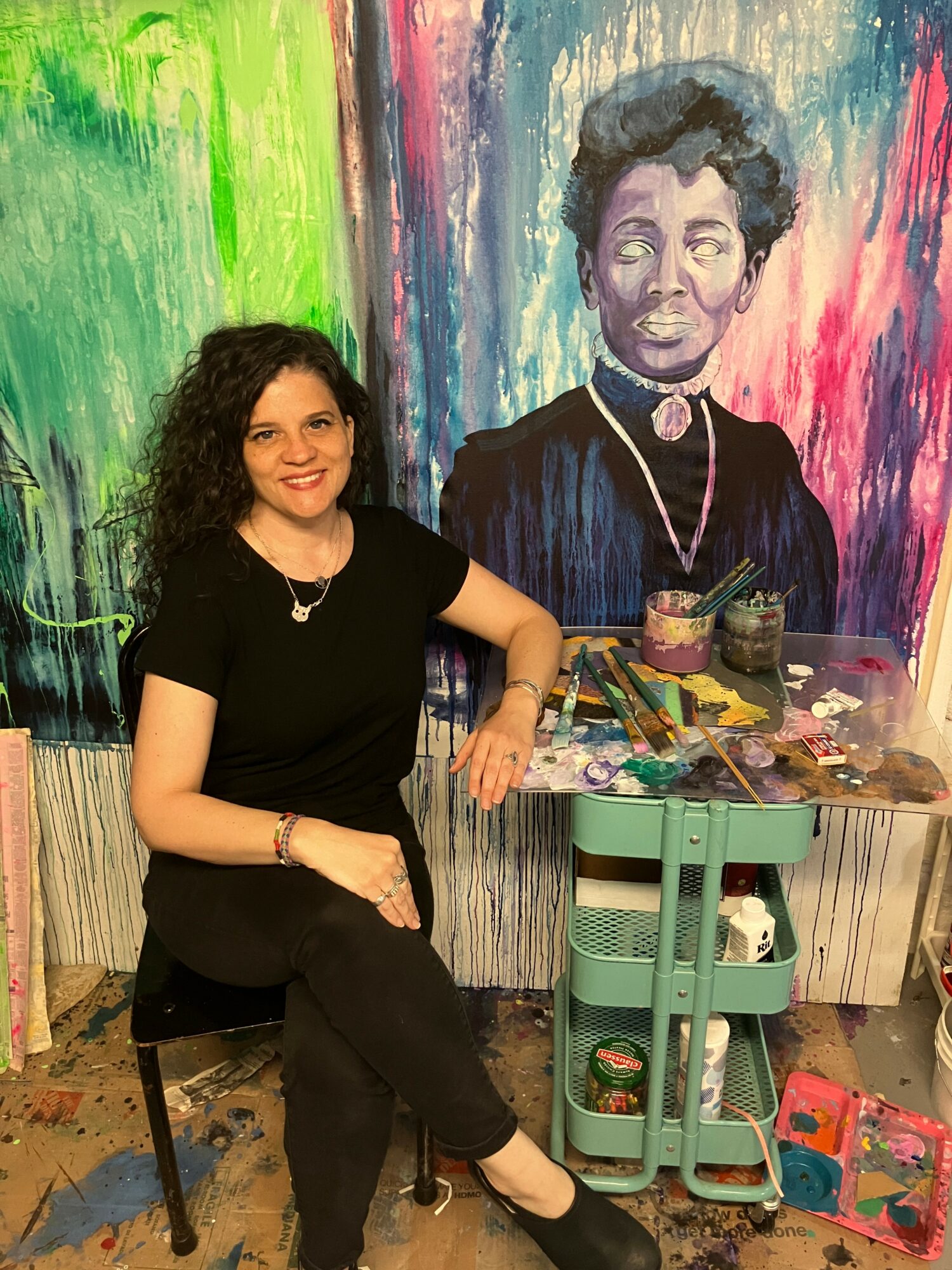
I’m currently pursuing my PhD at Saint Louis University, where I’m developing a curriculum that integrates art into science education. My goal is to improve access and understanding, making science more engaging and accessible for diverse audiences. In addition to that, I teach seasonal classes at the Missouri Botanical Garden and continue to explore all kinds of mediums. For many years, I’ve been working on a portrait series aimed at giving identity to nameless individuals in governmental archives, with a particular focus on women, LGBTQ+ individuals, and historically marginalized groups who lack proper identification.
How do you define success?
For me, success is remaining open to change and growth as an individual. I think it’s good to not get too comfortable, and I really appreciate those moments where my paradigm gets turned completely upside down. It’s like stretching your neurons in a totally new direction and now you have to occupy this new space for a while, foraging and fumbling around.
I also think to arrive at “success” it’s important to approach life with a beginner’s mind—staying curious, open, and willing to explore new paths. Do you remember the first time you decided to do something different or take a brand-new path? I’ve taken many different paths in my life, and each has brought unique lessons. One experience that stands out is a late-night stroll I took on a hot summer evening, lit by a full moon. I decided to take a different route through the alley and spotted an opossum moving along the fence line. I paused to observe her careful steps as she jumped into a garden, clumsily tromped through it, and crawled beneath a porch.
As I continued, something caught my eye: a glimmer from an antique brass rim lock in a pile of alley scrap. I tucked it into my pocket for safekeeping, and as I moved on, I started hearing music in the distance. Intrigued, I decided to follow the sound, but it wasn’t easy to pinpoint the source. I closed my eyes and, much like a bat using echolocation, relied on the sound waves bouncing off the city’s architecture to guide me. Eventually, I found the source: an 18-piece brass band playing in a celebration, with people dancing and enjoying the night.
Of course, I was not making sounds myself, but I was using a tool I knew about in nature to achieve an outcome. When I finally arrived at the source, before me was an 18-piece brass band (What Cheer) with people celebrating and dancing all around. We were mostly strangers to each other, but we danced the night away anyway.
What’s my point here? Well, I think it is important to approach life with a beginner’s mind––to stay curious, allow yourself to wonder around blindly, trust your gut, and always, always, ask a lot of questions. Most importantly, try to begin everything you do with fresh eyes, without any preconceptions, and with an attitude of openness so that we can all dance, even if we are just strangers in the night.
Contact Info:
- Website: http://www.emilydustman.com/; https://www.esquaredmagazine.com/about/
- Instagram: https://www.instagram.com/dustmanart/
- LinkedIn: https://www.linkedin.com/in/emilydustman/