Today we’d like to introduce you to Sarah Banks.
Hi Sarah, thanks for sharing your story with us. To start, maybe you can tell our readers some of your backstory.
June 4, 2015
Eleven years ago, life changed forever.
I didn’t know it yet, but that moment—that accident—would split my life into before and after.
Before the pain. Before the trauma had a name. Before my body became a battlefield. Before I learned what it truly meant to survive.
They said, “If you were five pounds heavier, you wouldn’t have made it.”
And somehow, I did.
Just barely.
But I did.
I held on through the aftermath:
The surgeries. The month-long hospital stay. The medications. The rehabilitation.
I woke up in a body that no longer felt like home. I faced the vulnerability of needing help to eat, bathe, and walk—things others take for granted. I spent birthdays in bed and holidays with hospital wristbands. I learned what it was to scream into pillows and cry in silence. I learned what it meant to feel alone, even in a room full of people. I faced the betrayal of my own body—autoimmune flares, CPTSD spirals, OCD loops, chronic pain that never fully left, and symptoms that often felt impossible to explain.
One of the hardest parts wasn’t surviving.
It was being invisible.
Living with chronic illness, autoimmune disease, chronic pain, and trauma taught me that someone can look completely healthy on the outside while carrying unimaginable pain on the inside.
For years, people saw the version of me they remembered.
The straight-A student. The perfectionist. The girl with big dreams. The future doctor. The person who could do it all.
And while I understood why, it often left me feeling deeply misunderstood.
Because the reality was that my life had changed. My body had changed. My capacity had changed.
I was grieving things most people couldn’t see.
There were no casts. No crutches. No obvious signs that my nervous system was in survival mode. No visible evidence of the autoimmune flares, the exhaustion, the chronic pain, the CPTSD, the OCD spirals, the dissociation, or the energy it took simply to make it through the day.
The wounds weren’t on the outside. They were inside. And because they were invisible, I often felt unseen. I felt misunderstood by people I thought knew me best. Not because they didn’t care. But because they couldn’t see what I was carrying.
There is a unique loneliness that comes from being judged by a version of myself that no longer exists.
From being measured against expectations your body can no longer consistently meet.
From wanting so badly to explain that you aren’t lazy. You aren’t unmotivated. You aren’t giving up. You are simply fighting battles that no one else can see.
For a long time, I carried shame around that. I felt like I had failed the person I was supposed to become. But healing has taught me something different.
My worth was never tied to my productivity. My value was never tied to my achievements. And the life I built after the accident is no less meaningful than the one I imagined before it.
In many ways, it’s far more authentic.
I’ve also learned how important connection truly is. How healing often happens in relationships. How quickly growth can occur when you’re surrounded by people who genuinely see you.
People who listen. People who understand. People who love you through every chapter. Not just the successful chapters. Not just the easy chapters. Not just the versions of you that make sense to them.
But all of them.
The broken chapters. The healing chapters. The messy chapters. The beautiful chapters. The chapters where you’re still figuring it out.
This year reminded me that we aren’t meant to do this alone. That being witnessed matters. That being understood matters. That being loved while you’re growing can change everything.
And that some of the most profound healing happens when someone looks at you exactly as you are and says:
“I see you.” And stays.
I faced friendships that faded. Relationships that couldn’t withstand the weight of what happened. People who loved me but couldn’t understand me.
I learned that grief isn’t only about death. It’s about losing versions of myself. It’s about mourning the life I thought I would have.
It’s about saying goodbye to people, dreams, identities, and beliefs that no longer fit.
But here’s what else is true:.
I survived when they said I might not. I rebuilt myself—mind, body, and soul. I retaught myself how to walk. I struggled through addiction. Through self-sabotage. Through sex work and the years of abuse that followed. Through unhealthy relationships. Through trying to find relief from pain in places that could never truly heal it.
And somehow, I kept finding my way back to myself.
I turned every “no” into a prayer and every breakdown into a breakthrough.
I dreamed of becoming a doctor—and in many ways, I did.
Not with a white coat, but with my hands in the earth, my soul in my craft, and a relentless desire to understand healing.
I became a healer.
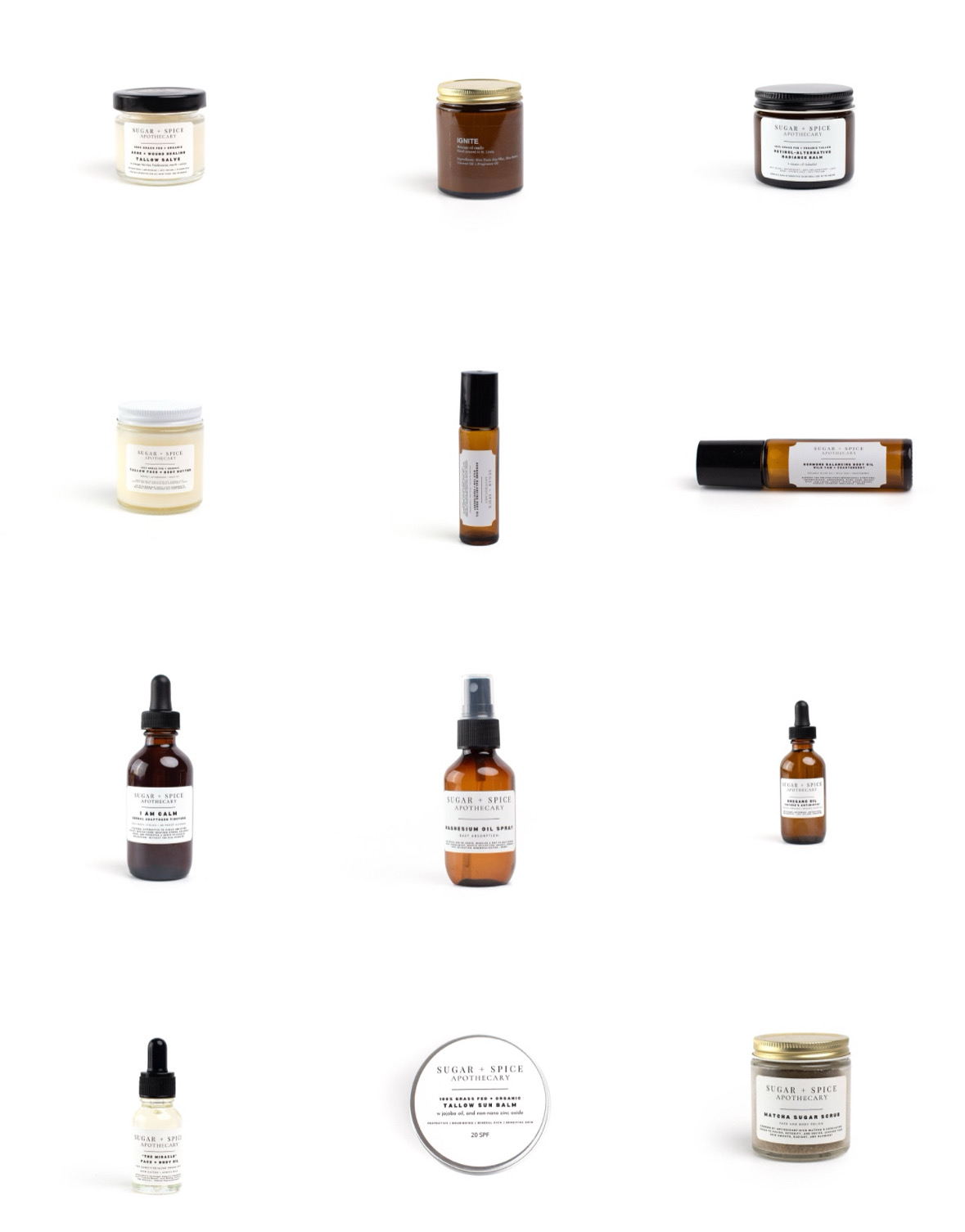
I created Sugar + Spice Apothecary—the seed I planted in middle school—now blooming into something far greater than I ever imagined.
For years, I didn’t think I would live long enough to worry about a future.
I was focused on surviving.
On making it through the next day. The next surgery. The next flare. The next setback.
I never imagined I would one day be thinking about children. About creating a beautiful, safe home. About building a happy family. About growing old. About the future at all.
For a long time, I didn’t think I would live long enough to contemplate a future beyond that point.
After years of surviving, it was difficult for me to imagine thriving. It was difficult to welcome ideas like pleasure.
For so many years, my focus was simply making it through the next day, the next flare, the next panic attack, the next setback.
I was told I would have died if I had been five pounds heavier. And for a long time, part of me continued living as though I already had.
But somewhere along the way, that began to change.
I began allowing myself to imagine a future. To imagine peace. To imagine love. To imagine safety. To imagine joy. To align with my faith again. To align with God again. To believe there could be something more waiting for me than survival.
I retaught myself how to walk. I learned how to heal. I created my own apothecary.
One that ultimately helped me get off of antibiotics, trazodone, Xanax, Percocets, hydrocodone, SSRIs, Adderall, propranolol, gabapentin, and so many other things I once believed I would need forever.
I immersed myself in learning. Herbalism. Yoga. Qi Gong. Meditation. Anything that helped me reconnect with healing within my mind, body, and spirit.
Eventually, I began teaching. Classes. Workshops. Experiences designed to help others reconnect with themselves.
I spent years holding space for so many people.
Supporting others through their own healing journeys. But this past year taught me something unexpected.
It was time to become a student again. It was time to hold space for myself. For so long, my purpose had been helping others heal. This year, I remembered how important it is to turn that same compassion inward. To prioritize my own health. My own healing. My own wellness. To understand that I can only help others sustainably once I’ve returned to helping myself.
This year has been about reconnecting with my own body. My own needs. My own healing.
I’ve returned to EMDR therapy.
I’ve found an incredible Traditional Chinese Medicine doctor who helped me bring my cortisol and inflammation levels back into balance.
I’ve been learning to slow down. To listen. To rest. To receive support. To trust that healing doesn’t always require pushing harder. Sometimes it requires surrender. Sometimes it requires softness. Sometimes it requires finally giving yourself the same care you’ve spent years giving everyone else.
But this year taught me something different.
For so long, I believed healing was about surviving. This year taught me that healing is also about surrendering. About being willing to look honestly at yourself. About questioning the stories you’ve carried for years. About taking accountability for the ways your wounds affect the people you love.
This year forced me to confront my mental health on a level I never had before. Not just the symptoms. The systems beneath them. The subconscious beliefs that quietly shape your entire life without you realizing it.
I’ve learned how deeply CPTSD and OCD can distort reality.
How trauma can convince me that danger is safety and safety is danger. How a single painful experience can become a belief system that followed me for years. How my body can react to a threat that no longer exists while my mind desperately tries to make sense of it.
For much of my life, I thought I was responding to reality. Now I understand that many times I was responding to narratives. Stories written by fear. Stories written by survival. Stories written by experiences that taught me the world wasn’t safe and that I couldn’t always trust myself.
When you’ve experienced trauma, trust becomes complicated. You don’t just struggle to trust other people. You struggle to trust your own perception. Your own instincts. Your own memories. Your own body.
I’ve spent years trying to untangle the difference between intuition and fear. Between a gut feeling and a trauma response. Between what is happening now and what happened then. I’ve learned that confusion often isn’t clarity waiting to arrive.
It’s two realities fighting for control. The present moment and the past. The truth and the narrative. And when trauma takes over, the narrative usually wins.
I’ve learned that trauma can convince you that love is danger. That people who love you will eventually hurt you. That vulnerability is unsafe. That self-preservation is the same thing as self-protection.
I’ve learned how experiences can create subconscious beliefs that quietly drive everything behind the scenes. Beliefs that shape our relationships. Our choices. Our fears. Our reactions. Our lives.
I’ve had to confront the reality that many of the things I thought were facts were actually narratives.
Stories written by survival. Stories written by fear. Stories written by experiences that taught me the world wasn’t safe and that I couldn’t trust myself.
And when I don’t trust myself, it is hard to trust anyone else.
I’ve learned that I don’t always need to figure things out alone. That leaning on trusted people isn’t weakness. That sometimes we need mirrors outside of ourselves to help us find clarity. That journaling, therapy, and honest conversations can help separate facts from narratives.
Truth from fear. Reality from old wounds.
I’ve learned that when I dissociate, I disconnect from the very parts of myself that allow me to think clearly. That CPTSD episodes often come first and OCD spirals follow after. That my body often reacts before my mind understands why. That healing requires slowing down enough to listen.
This year also challenged beliefs I didn’t realize I was carrying:
That vulnerability was dangerous. That self-preservation was the same thing as self-love. That money needed to be protected instead of shared. That independence was always strength. That I didn’t want children. That being understood was more important than understanding.
Most importantly, I began to recognize a pattern:
When I felt criticized, I listened to defend instead of listening to understand.
I tied so much of my worth to being “good,” being “right,” being seen accurately, that when someone I loved expressed hurt, I often experienced it as proof that I had failed.
And shame has a way of making everything about itself.
I would defend my intentions instead of fully hearing the impact. I would explain instead of listening. Protect instead of connecting.
And while my intentions were never to hurt anyone, I’ve learned that intention does not erase impact.
Both can be true.
I can have good intentions. And someone can still be hurt.
I can love deeply. And still have things to learn.
I can be doing my best. And still be accountable.
That realization has changed me.
Because I’ve also realized that most people are not asking us to solve their pain. They’re asking us to sit with them in it. To hear them. To acknowledge their reality, even when it differs from our own. To choose connection over ego.
This year taught me that love requires vulnerability. That trust requires surrender. That intimacy asks us to loosen our grip on control. That we cannot truly merge with another person while constantly trying to protect ourselves from being misunderstood.
I’ve spent so much of my life trying to control narratives, perceptions, outcomes, and how others see me.
But healing has shown me that everyone will have their own story about who I am. Their own lens. Their own experiences. Their own truths. And it is not my job to control them.
It is my job to live in alignment with my values. Not my fears. Not my shame. Not my emotions in a difficult moment.
My values.
I’ve learned how quickly shame can become defensiveness. How easily self-protection can look like disconnection. How often my need to feel understood prevented me from understanding others. How frequently I sought certainty, control, reassurance, or validation because I didn’t trust myself enough to stand on my own two feet.
Therapy has taught me that healing isn’t about eliminating fear.
It’s about becoming aware of the beliefs operating beneath it.
Because our lives are often shaped less by what happens to us and more by the stories we tell ourselves about what happened.
The stories that say:
You aren’t safe. You can’t trust yourself. Love will leave. People will hurt you. You must defend yourself. You must control the outcome.
This year I’ve begun rewriting those stories.
And perhaps the most important one is this:
I no longer need pain to feel depth. I no longer need chaos to feel alive. I no longer need suffering to prove my strength. I can choose peace. I can choose trust. I can choose love.
And I can choose to live according to my values instead of my fears.
This year taught me that accountability is love. That forgiveness is seeing the humanity in others—and in yourself. That people are rarely evil.
Most of us are simply wounded humans doing the best we can with the awareness we have.
I know that’s true for me. I have made mistakes. I have hurt people I love. I have been hurt by people I love. And somewhere along the way, I learned that healing isn’t becoming perfect. It’s becoming honest. It’s having the courage to look at yourself clearly and choosing growth anyway.
Eleven years ago, I survived.
Today, I’m learning how to soften. How to listen. How to trust. How to love. How to let go of control. And somehow, that feels just as brave.
Here’s to another year of healing, another year of growth, and another year of becoming.
Not who I thought I would be.
But exactly who I am meant to be.
We’ve been impressed with Sugar + Spice Apothecary, but for folks who might not be as familiar, what can you share with them about what you do and what sets you apart from others?
Sugar + Spice Apothecary was born from my own healing journey after a life-changing car accident, years of chronic pain, autoimmune challenges, and a desire to find safer, more holistic solutions for myself and my family. What started as a passion for herbalism and natural wellness has grown into a small-batch apothecary dedicated to creating truly non-toxic alternatives for everyday health and self-care.
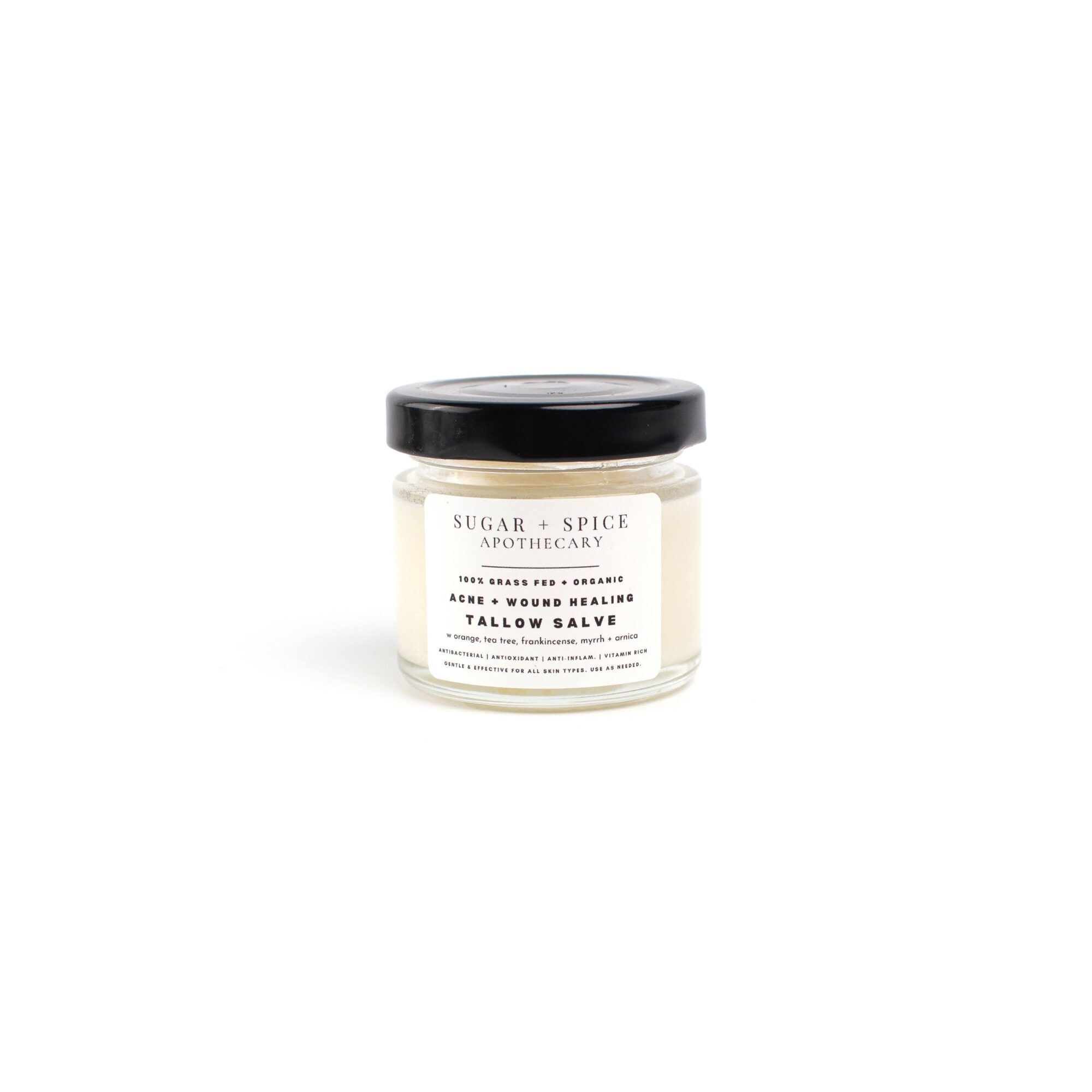
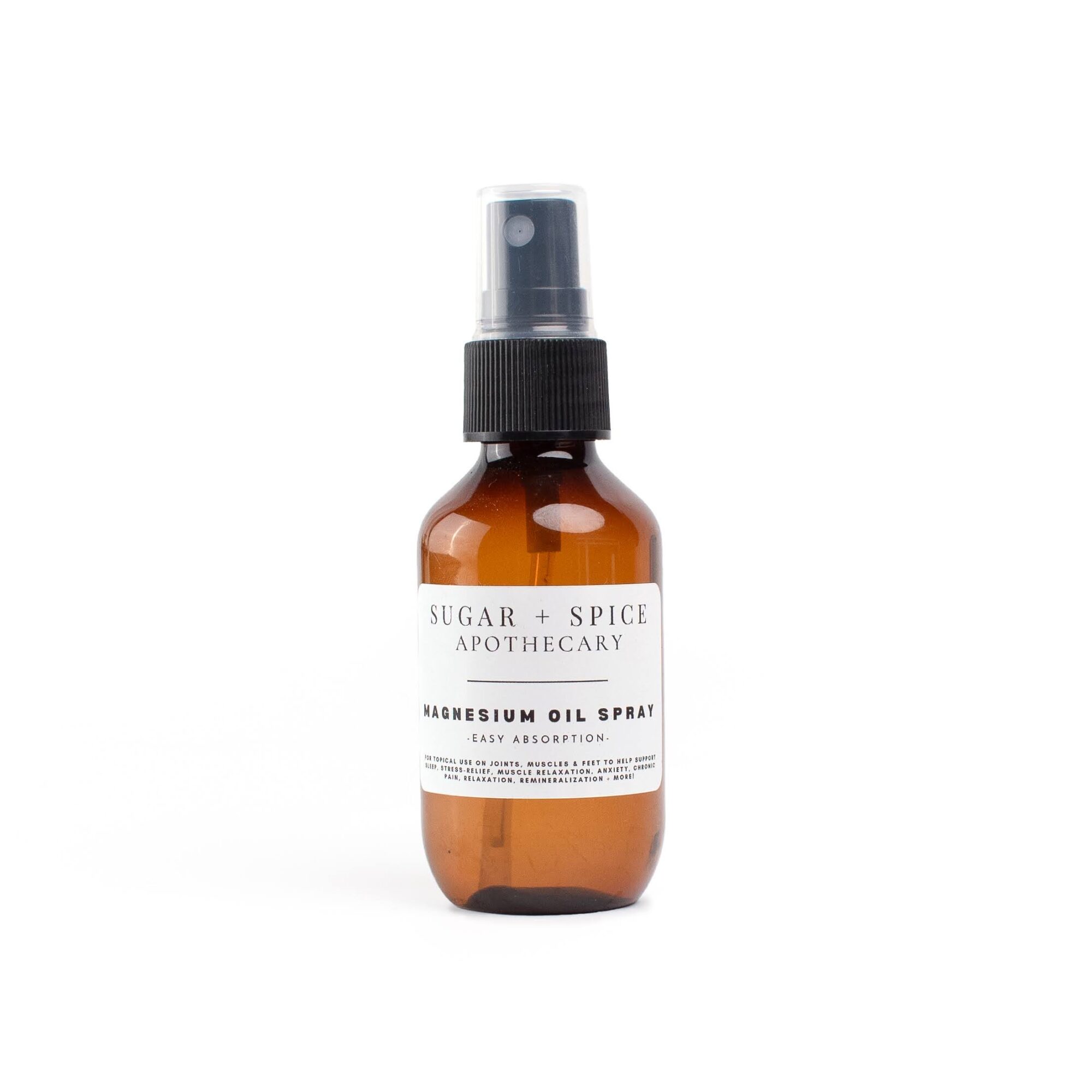
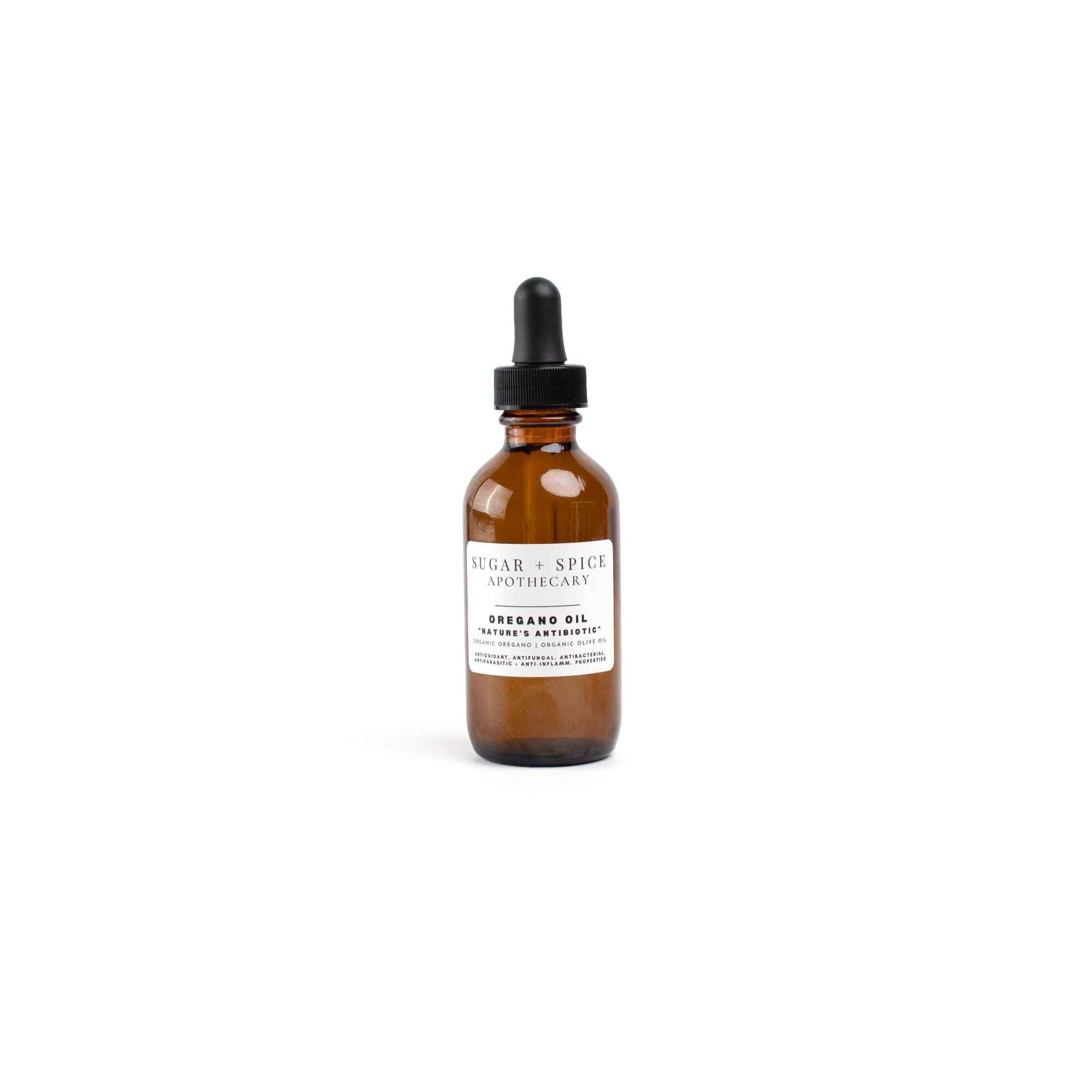
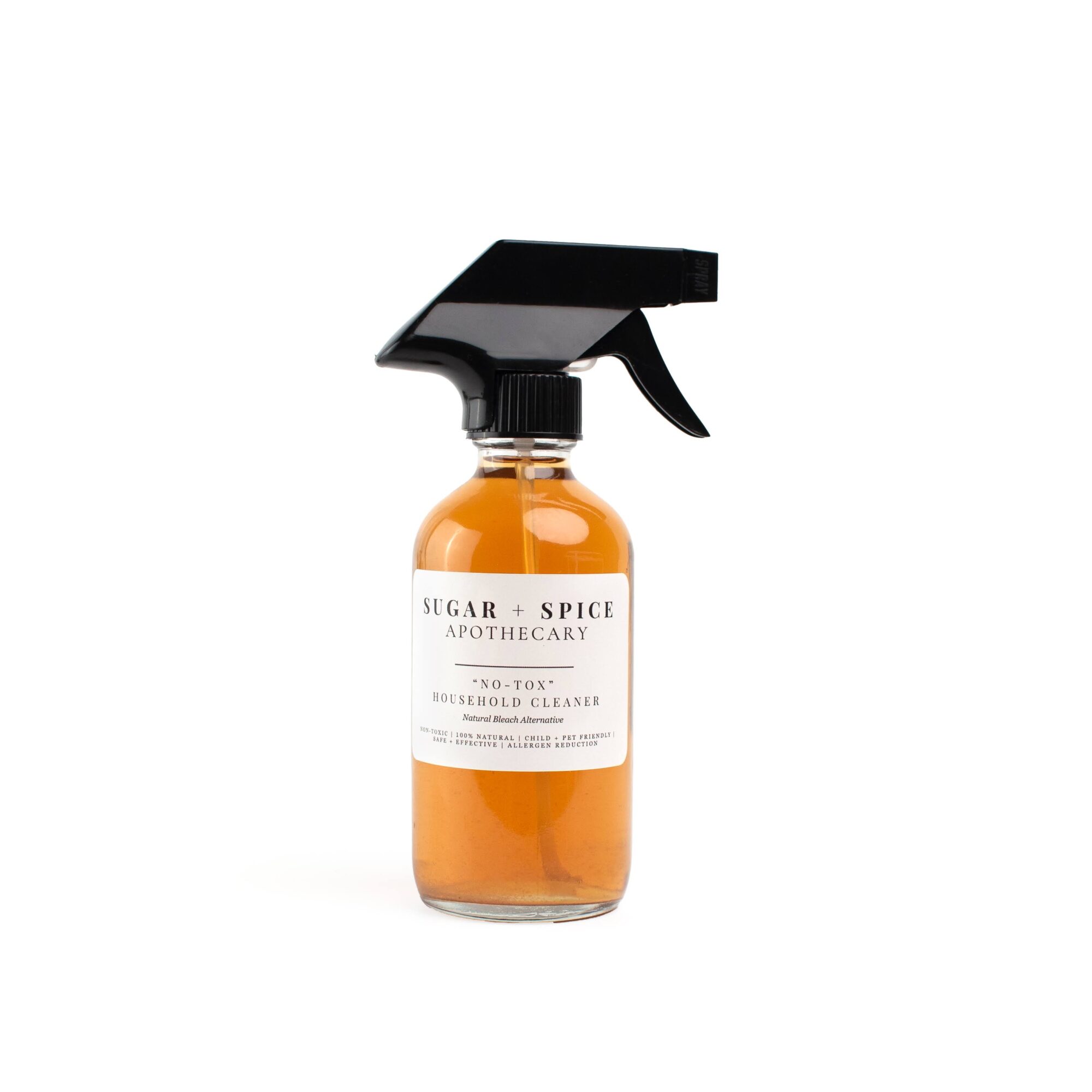
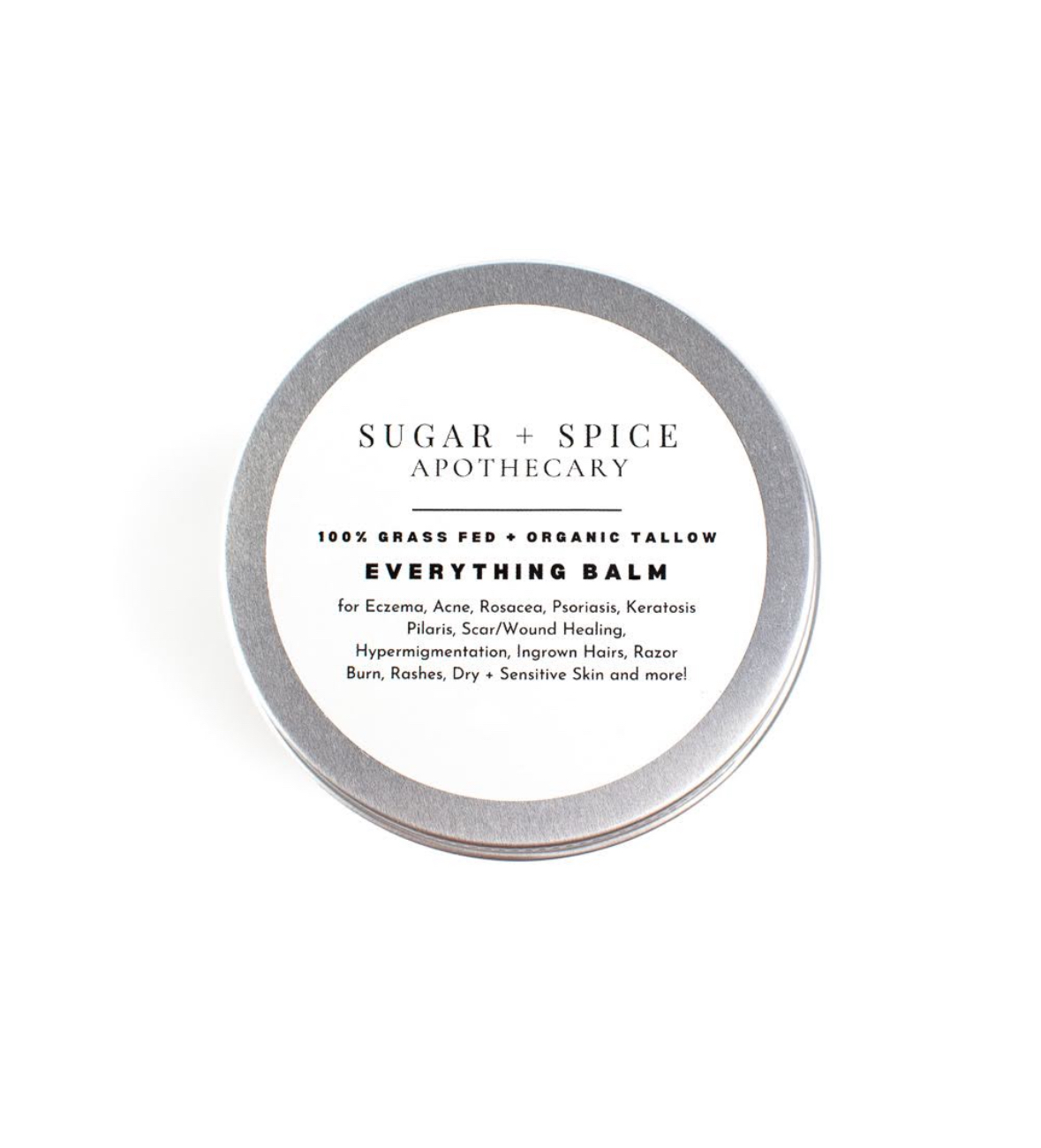
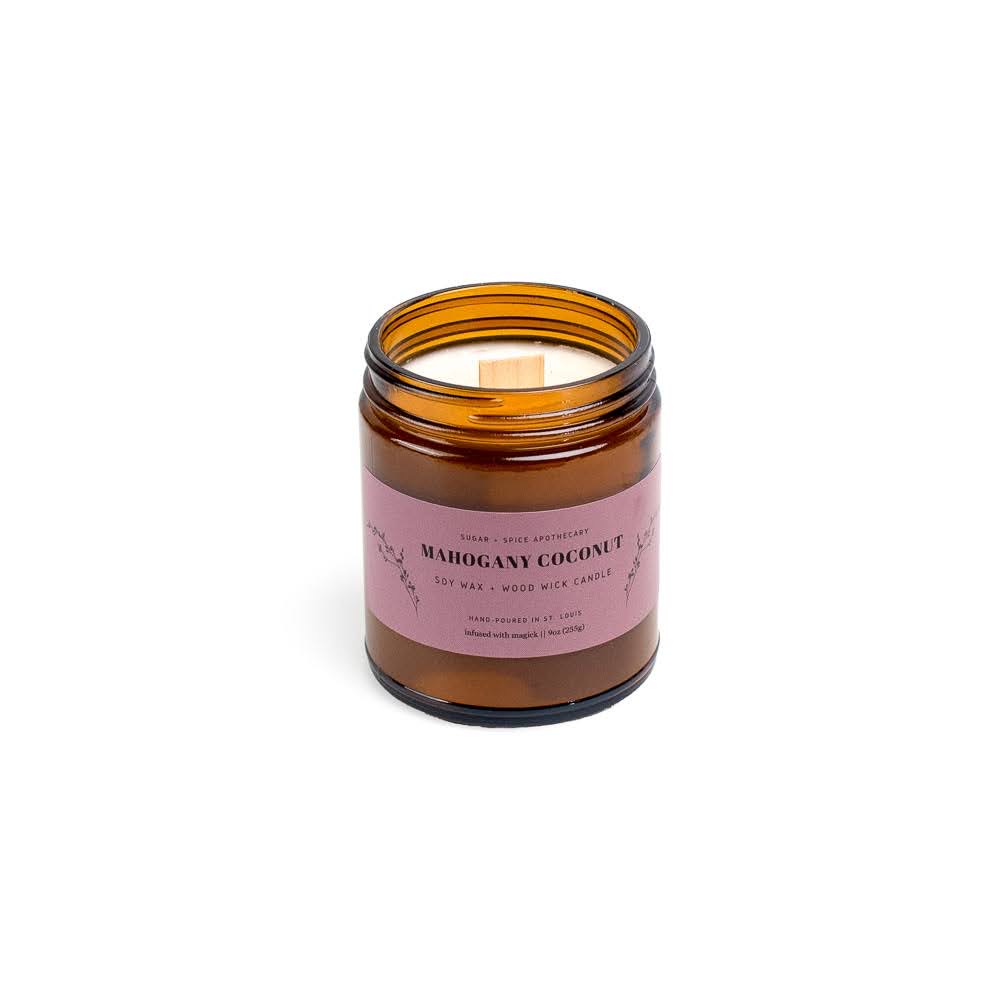
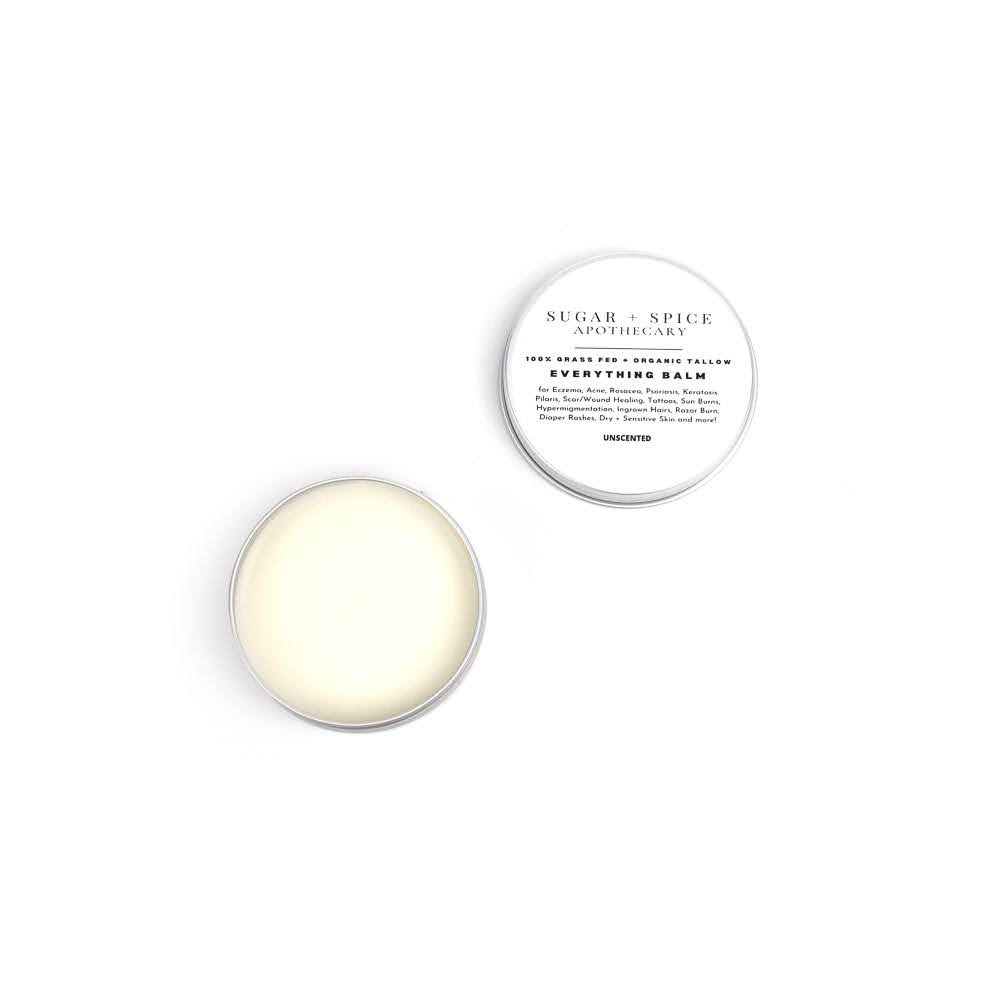
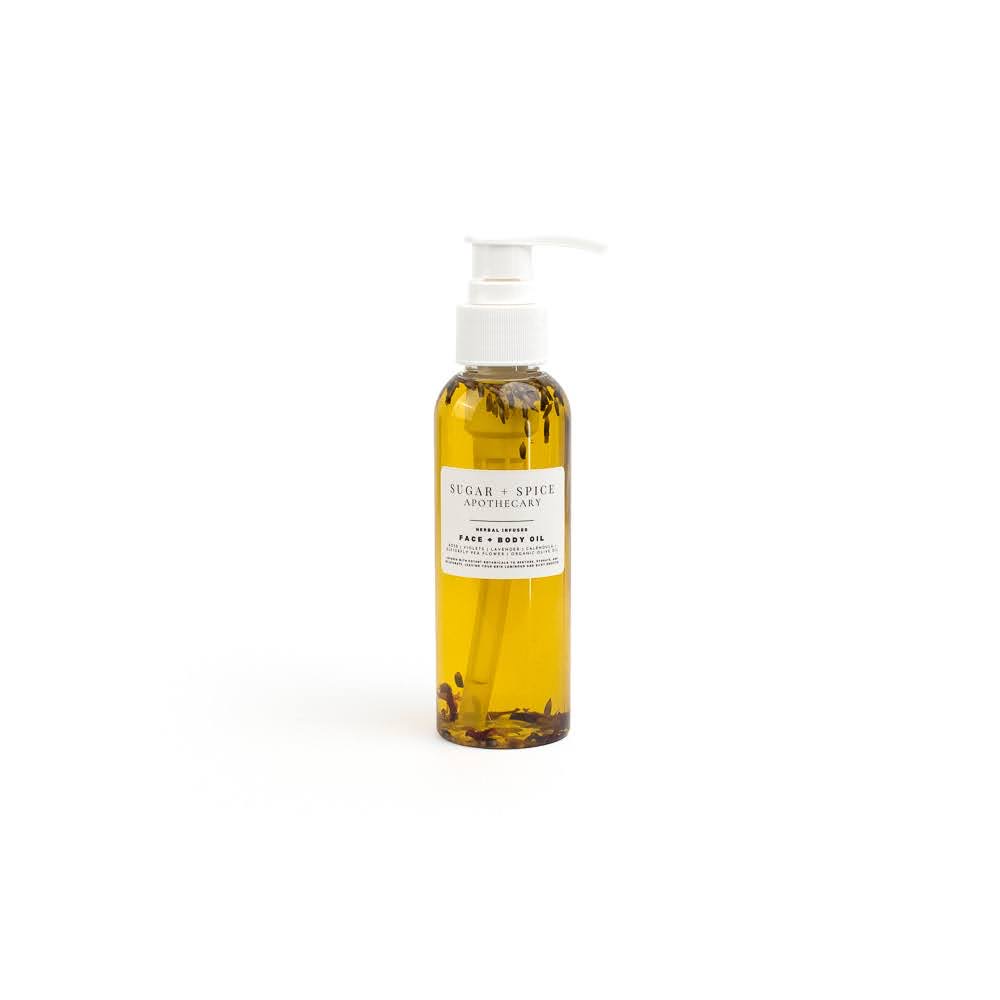
We specialize in handcrafted herbal remedies, magnesium products, tallow-based skincare, wellness tinctures, natural pain support, nervous system support, candles, and body care products made with intentionally sourced ingredients. Every product is formulated with the belief that what we put on and in our bodies matters. So many people want to make the switch from toxic products to non-toxic alternatives, but with so many brands greenwashing and making misleading claims, it can be difficult to know where to turn or who to trust. We strive to be that trusted source.
What sets Sugar + Spice Apothecary apart is that our products bridge the gap between Eastern and Western medicine and are created from both lived experience and extensive scientific research. Following a near-fatal car accident, multiple surgeries, years of chronic pain, autoimmune challenges, and a long journey through the conventional healthcare system, I became passionate about understanding healing from every angle. After years of studying herbalism, nutrition, wellness, neuroscience, and the body’s innate ability to heal, I began incorporating many of these practices into my own life after being diagnosed with Autoimmune. Over time, I was able to move away from all of the medications I once relied on, including medications prescribed for sleep, anxiety, focus, pain management, inflammation, and recurring infections with the help of our products. That personal experience became the foundation for the products and philosophy behind Sugar + Spice Apothecary.
Rather than following trends, we focus on creating products that serve a purpose and support real people dealing with real concerns—from stress, sleep, and inflammation to sensitive skin, hormone balance, and nervous system regulation.
As a former Washington University in St. Louis student with a background in biomedical sciences, medical research, and neuroscience, I bring both scientific curiosity and holistic wisdom into every formulation. I believe the most effective wellness approaches honor both evidence-based research and traditional healing practices.
What I am most proud of is the community that has formed around the brand. Over the years, I’ve had the privilege of helping thousands of people discover alternatives that make them feel empowered in their health journeys. Hearing stories from customers who have found relief, improved their sleep, supported their skin, reduced stress, or simply felt more connected to their well-being is what continues to inspire me.
At its core, Sugar + Spice Apothecary exists to make holistic wellness approachable, accessible, and beautiful. We are more than a product line—we are a reminder that healing is not one-size-fits-all, and that small, intentional choices can create meaningful change over time.
Alright, so to wrap up, is there anything else you’d like to share with us?
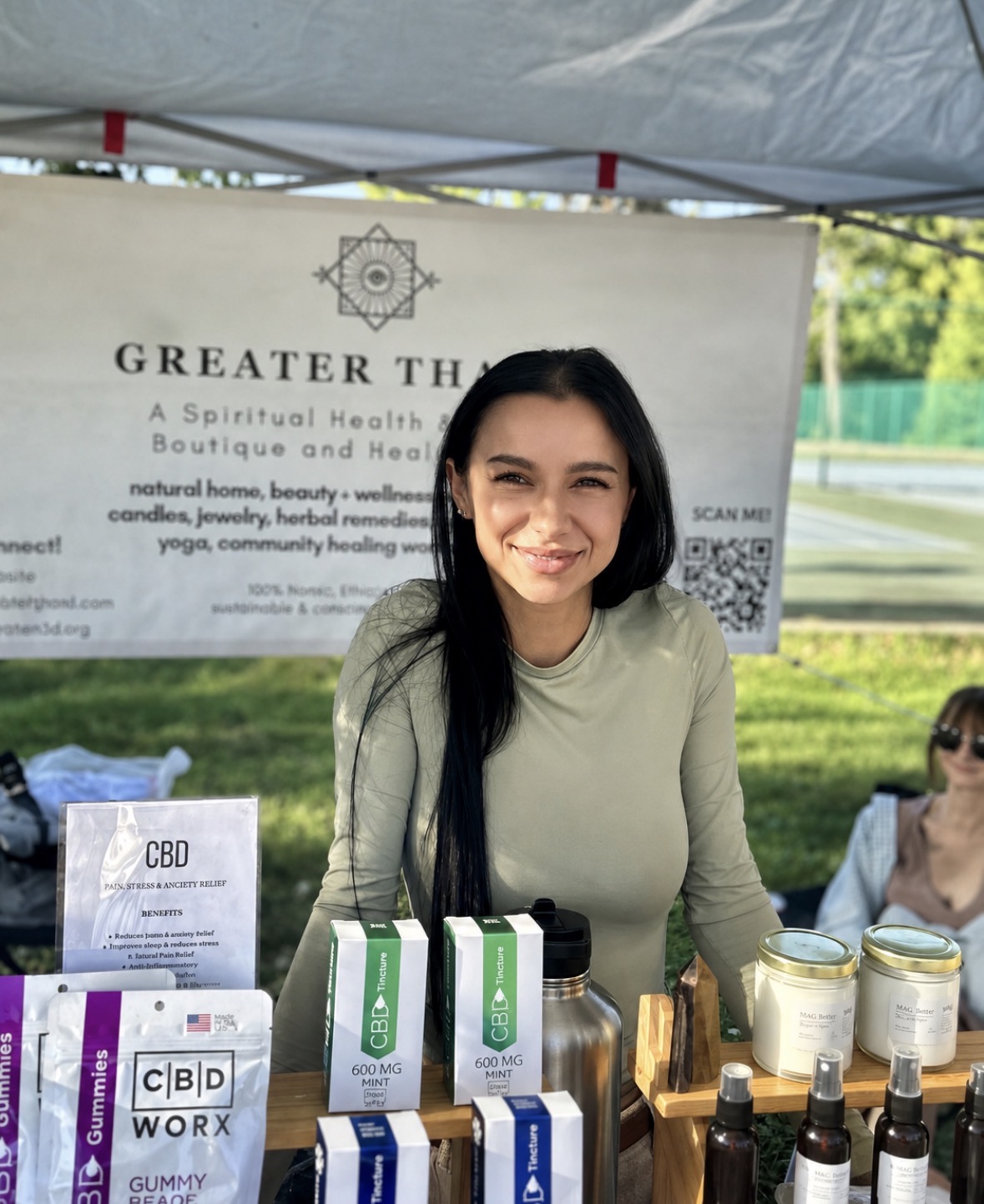
We are available to shop in person at the Tower Grove farmers market on either Tuesdays from 4 to 7:30 PM or Saturdays 8 to 12:30 PM. We are also available online at www.sugarnspiceapothecary.com. Our social media is @sugarnspiceapothecary
Pricing:
- $15-55
Contact Info:
- Website: https://www.sugarnspiceapothecary.com
- Instagram: @sugarnspiceapothecary