Today we’d like to introduce you to Sarah Butler.
Hi Sarah, we’re thrilled to have a chance to learn your story today. So, before we get into specifics, let’s briefly walk us through how you got to where you are today.
I’ve always gravitated towards art. When I was little, I was confident that I would be an artist when I grew up. As I aged into my teen years, my desire to create was crushed by insecurity and perfectionism. I struggled a lot during my teen years and dropped out of high school in my junior year. After getting my GED and studying psychology, I started college at Meramec, St. Louis Community College. I was taking a few art classes as electives here and there, but it wasn’t anything I was taking seriously then.
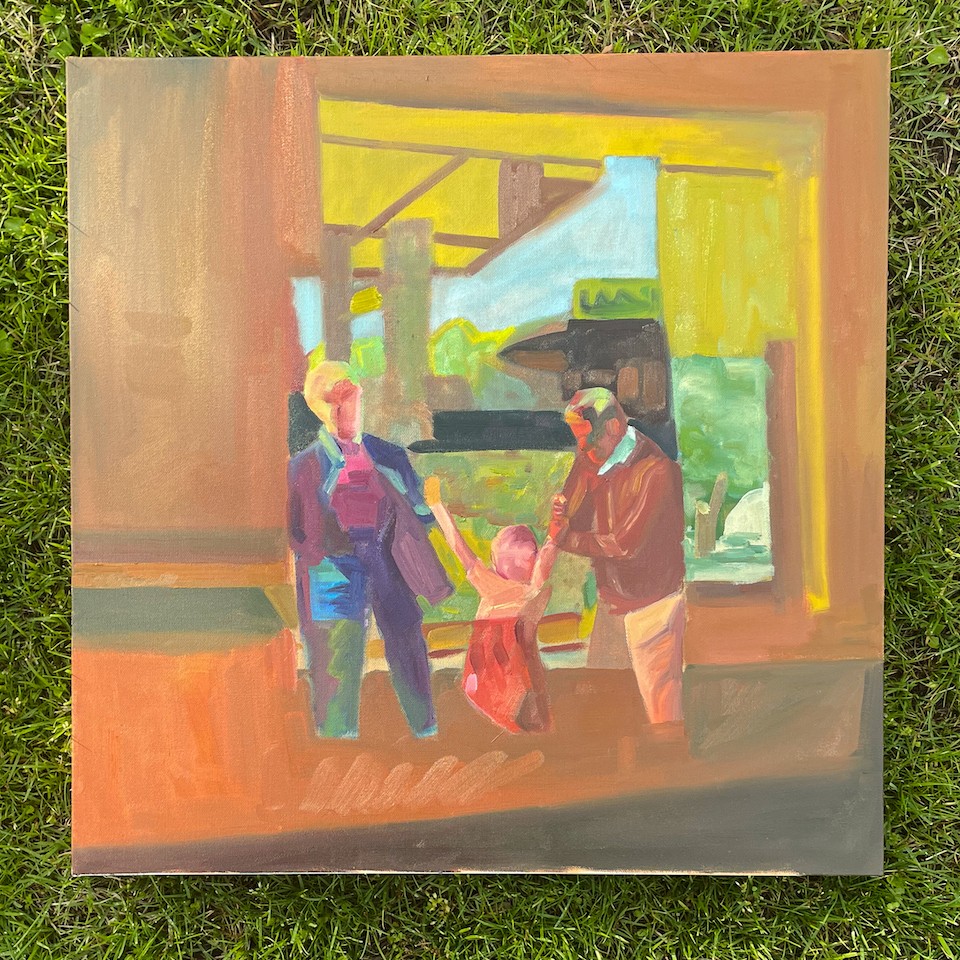
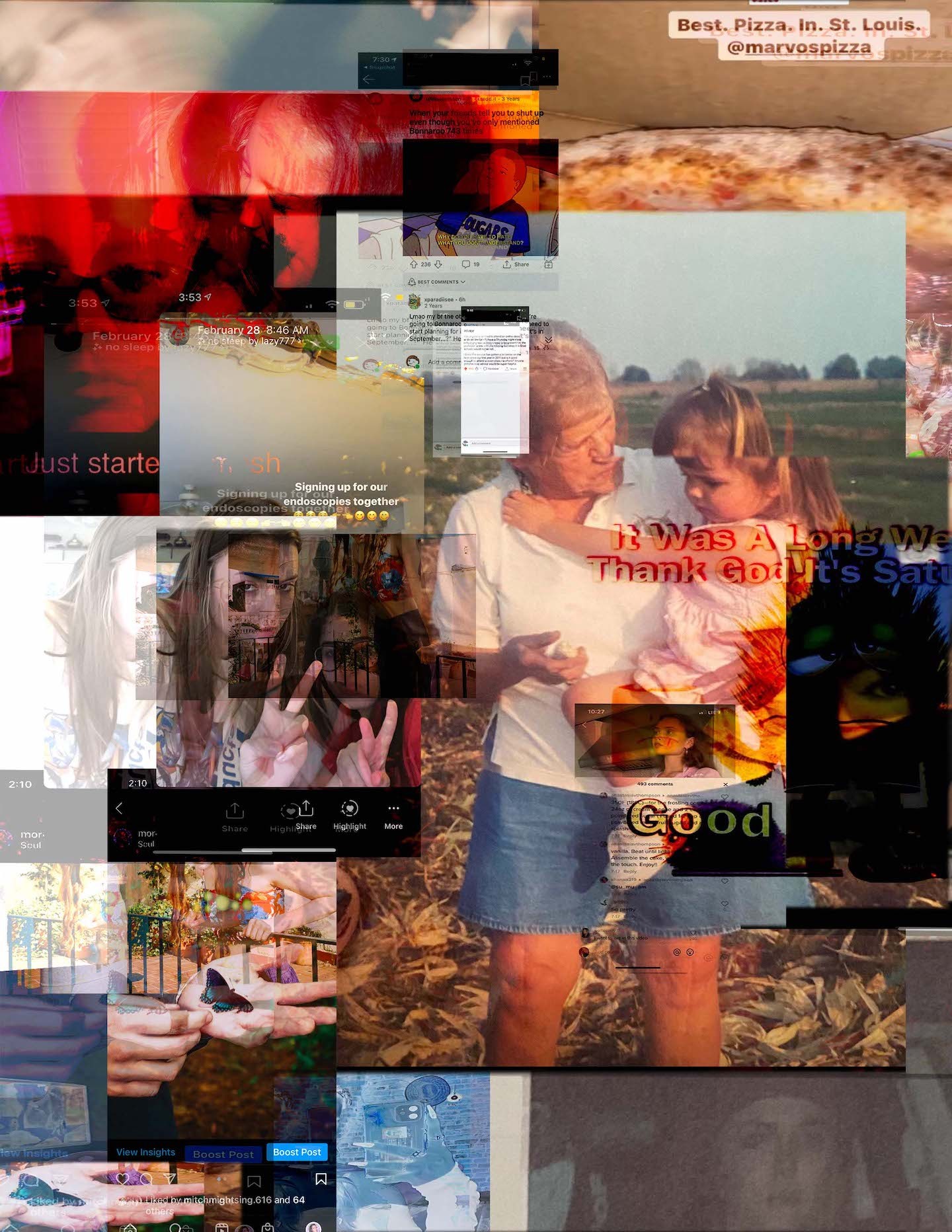
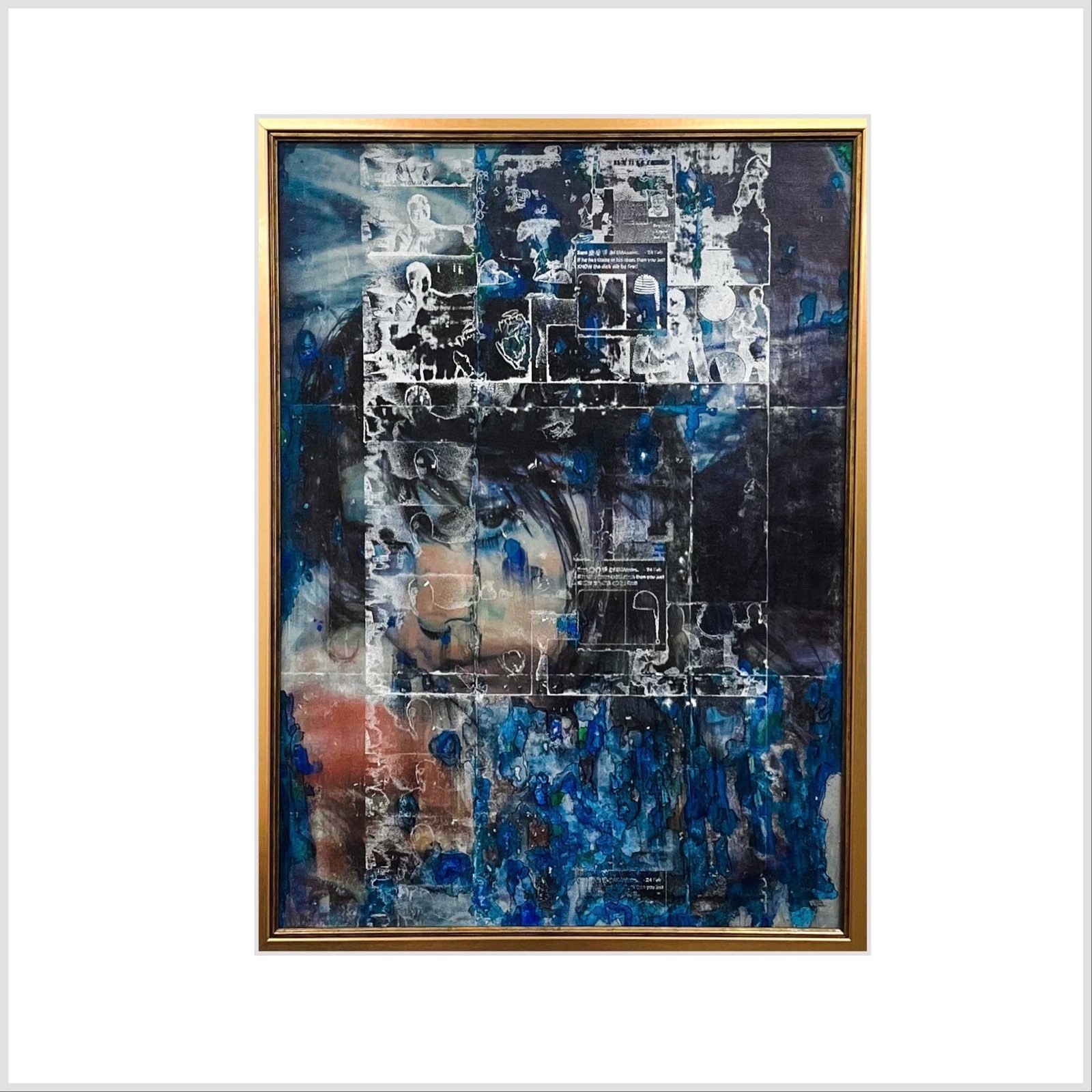
Shortly after this, my love for art, which I experienced at a young age, found its way back into my life, and I transferred to UMSL as a fine arts major. I became obsessed with photography, and it’s the ability to be an excellent vehicle for connection. I would take my camera everywhere with me. I photographed events, concerts, people, and everything I could. A few times, people stopped me on the street and asked for their photo taken. I loved the way people responded to the medium. By the time COVID came around, photography had stopped feeling rewarding as a creative outlet, leaving me feeling burnt out. It was also much harder to do photoshoots with people during this time. Out of boredom, I started making digital collages of photos I had taken years earlier. My digital works started presenting themselves physically through paintings and later into 3D and installation-based work, some of which have been shown at the Krazberg and ZACK. These shifts between mediums happened during my studies when I was suggested to push myself out of my comfort zone.
As much as I loved taking people’s photos, creating art this way felt much more personal. I was also lucky to study with Claire Ashley during a summer workshop at Ox-BowOx-Bow School of Art in Michigan. Her work has been some of the most influential to me and has made me think of materials, specifically fabric, differently. Since then, I’ve loved creating installation pieces that can be related to the body. I have created site-specific works for underground parties and projects around St. Louis. I love collaborating in more relatable spaces than a traditional “white wall” gallery. It’s exciting to watch people respond in a much more natural way. In May of last year, I graduated with my bachelor’s in fine arts from UMSL, and I’m now grateful to be in Spain studying design.
We all face challenges, but looking back, would you describe it as a relatively smooth road?
Self-criticism and shame have always been my main obstacle in creating. Of course, this is universally relatable, and I’ve been guided by many teachers, art professionals, and others through some of my most intensely self-doubting times. It’s also easy to put creativity aside and “forget” about it because it can feel intense and vulnerable. It’s susceptible to knowing what you’re making or why you’re making it. It can feel awkward not knowing how people will respond and vulnerable to making something you’re not even sure you like. It can all be uncomfortable sometimes. My teachers have taught me to embrace this discomfort as part of the process and show me the beauty of these complicated feelings. For me, it’s more than just creating what you set out to make; it is about being present for whatever needs to be noticed while attempting to create. Sometimes, creating doesn’t go how you want it to, but sometimes, it becomes more of what it requires. My teachers have taught me art is not about feeling good all the time or making “good” art, and I feel super grateful for that perspective. I want to see if this approach stays with me as I pursue design. We’ll see!
As you know, we’re big fans of you and your work. For our readers who might need to become more familiar, what can you tell them about what you do?
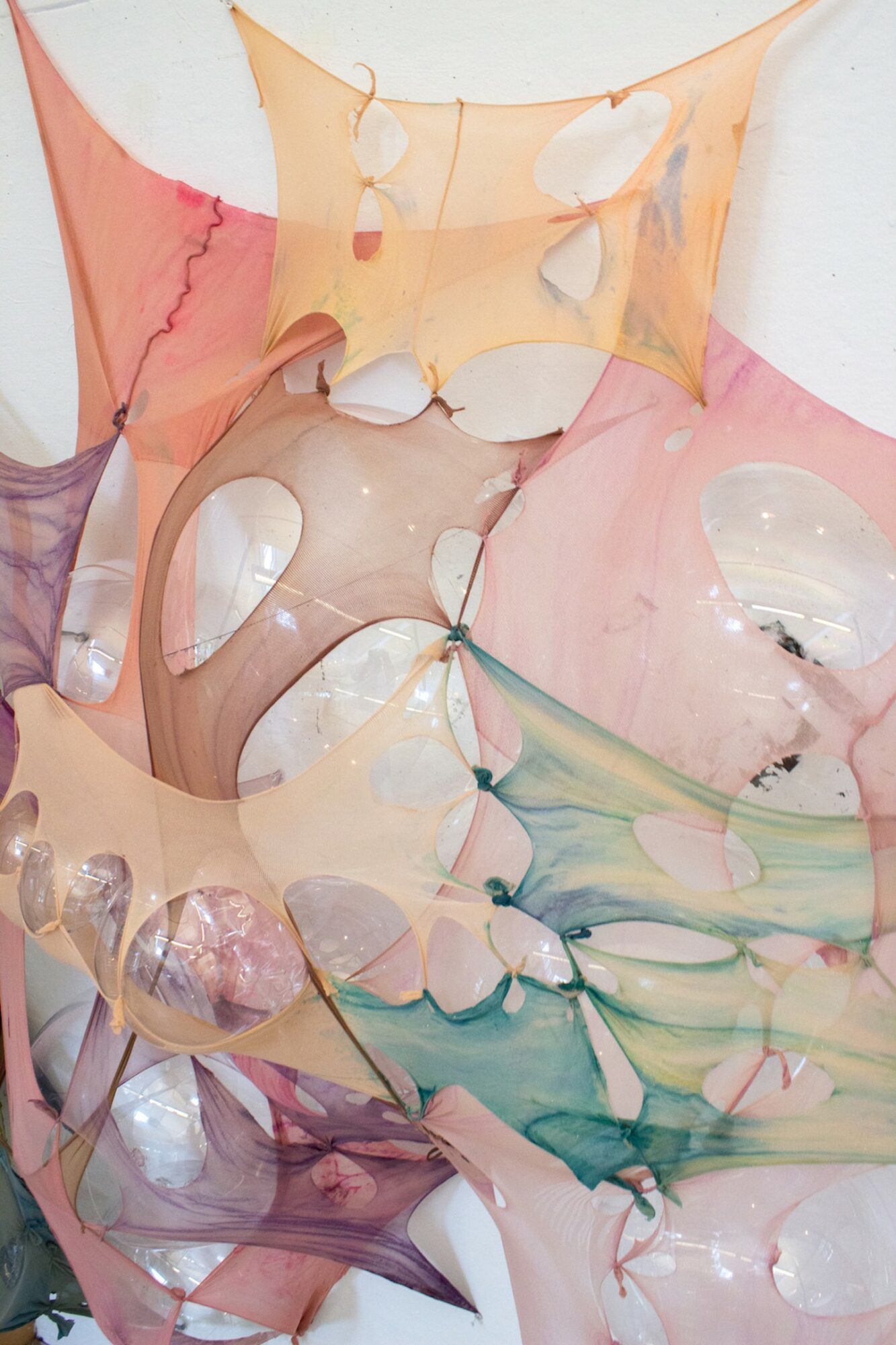
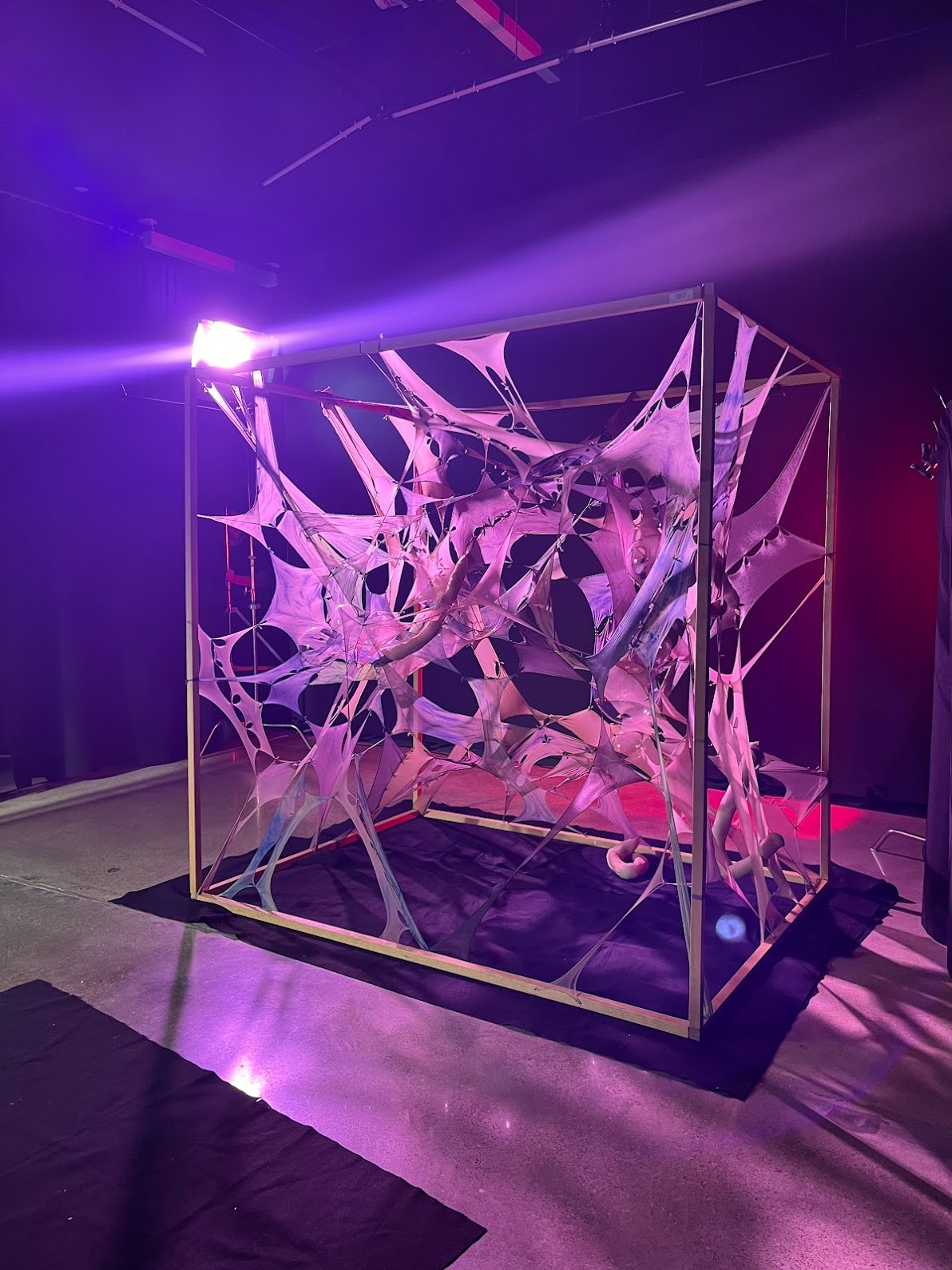
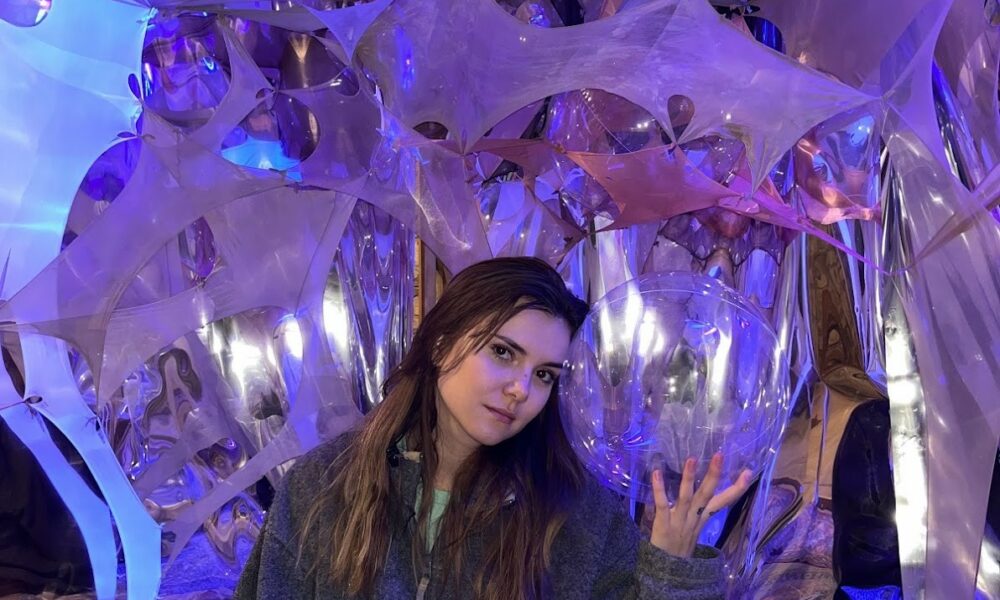
Recently, I might be most known for “Betty” installation pieces that I’ve made for Materia and Unknown 314. I use nylon stockings and attach them over clear polyvinyl balloons to create a web-like structure, usually covering a wall or space bigger than a few people. I first started working with these materials while trying to understand the fetishization of pain I’ve noticed in my life but also mainstream culture, specifically around the topic of femininity and girlhood. Betty is beautiful, colorful, curvy, and nest-like; she is also creepy, constricting, contorted, alien-like, and unfamiliar. These works have been installed for raves with super loud and intense light and music, which is overstimulating. People take pictures with “her,” touching her, squeezing her, but mostly, I think people are scared or feel weirded out by it. It’s not super important to me that people understand where my head was while making Betty, but watching people interact with the sculpture is interesting. Something is interesting about the context for viewing in the night nightlife. Much of my work is also chaotic, messy, and layered outside of these installations. For me, this is connected with the information overload of the times and how this affects our view of our identities.
What would you say has been one of the most important lessons you’ve learned?
Create based on what things are interesting to you rather than what you think will interest others.
Contact Info:
- Instagram: https://www.instagram.com/esbut/