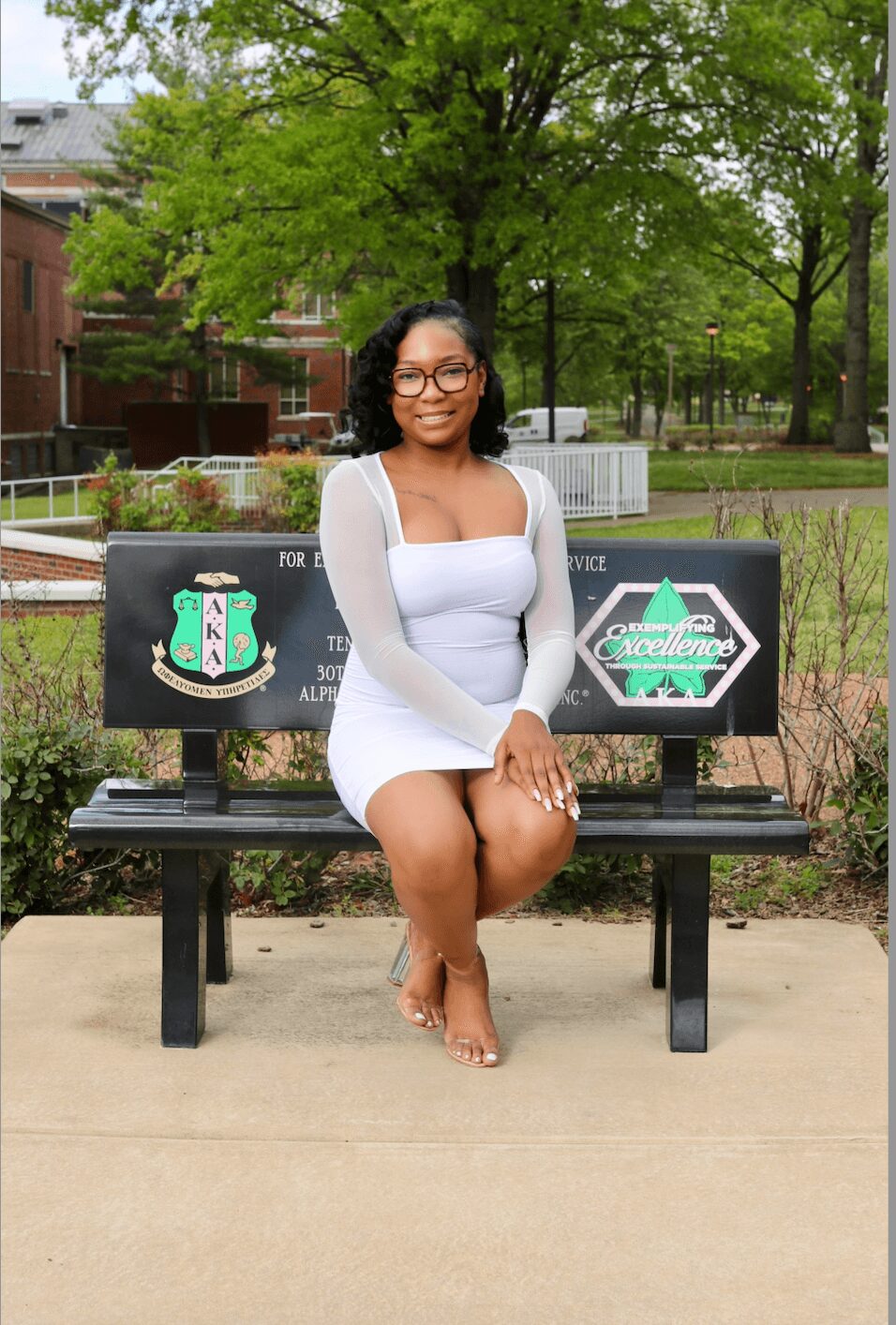
Today we’d like to introduce you to Siyanna Mahan.
Alright, so thank you so much for sharing your story and insight with our readers. To kick things off, can you tell us a bit about how you got started?
Fair Ground Impact came together while I was getting my MSW at Howard. I kept noticing this pattern in community work where organizations would show up, do their engagement sessions, collect feedback, and then disappear to make all the real decisions behind closed doors. Communities were being asked what they wanted but rarely given the tools or resources to actually create it themselves.
I started thinking about what it would look like to design spaces and programs differently. Not just asking communities what they need, but actually building their capacity to lead that work. That’s where community design made sense to me as a framework. It’s about shifting power, not just gathering input.
So I started taking on projects that let me test this out, bringing in social work principles alongside creative design strategies. I developed approaches like design sprints that move fast and keep community voices at the center, and I built out Fair Play, programming that brings creative placemaking directly to neighborhoods in ways that are actually accessible and free.
Fair Ground Impact officially launched as a community design agency working with government agencies, nonprofits, and schools. But the structure is intentional: we operate as a for-profit so we can do sustainable, high-quality work with institutional clients, and all those profits fund Fair Play, our community activation arm. Fair Play provides free programming to neighborhoods that need it most, so the communities that inspired this work actually benefit from it.
I’m finishing my MSW in July, but Fair Ground Impact is how I’m putting theory into practice. Communities shouldn’t just be part of the conversation. They should own it.
Can you talk to us a bit about the challenges and lessons you’ve learned along the way. Looking back would you say it’s been easy or smooth in retrospect?
Definitely not smooth. The biggest struggle has been figuring out how to build something sustainable while staying true to the mission. When you’re committed to community-centered work, there’s constant tension between what pays the bills and what actually serves people well. Early on, I was taking on projects that didn’t always align with my values just to keep things moving, and that burnout is real.
There’s also this challenge of being taken seriously as a young founder, especially in spaces like government contracting where people expect a certain look or years of experience you might not have yet. I’m still in grad school, so I’m balancing coursework, client work, and trying to build a business that’s structured differently than what most people are used to seeing. That means a lot of explaining, a lot of proving the model works.
And honestly, the isolation can be tough. Community design work requires collaboration, but when you’re building something new, you’re often figuring it out alone. Finding the right partners, clients who actually get the vision, and people who want to do this work in a way that doesn’t exploit communities takes time. There were moments where I questioned if the model was even viable or if I should just go the traditional nonprofit route.
But those struggles also clarified what Fair Ground Impact needed to be. Every frustration taught me something about how to structure the work better, how to communicate the value, and why it matters to keep pushing even when it’s hard. The road hasn’t been smooth, but it’s been intentional.
As you know, we’re big fans of Fair Ground Impact Strategy and Design. For our readers who might not be as familiar what can you tell them about the brand?
How rooted we are in authenticity. We’re not trying to be the biggest or flashiest agency. We’re focused on doing work that actually shifts power and creates lasting change. Fair Ground Impact isn’t about coming in to fix things. We partner with communities to build what they already know they need.
We specialize in community engagement strategy, creative placemaking, and trauma-informed design. We offer VIP Day intensives for organizations that need focused, strategic support quickly, and we work across sectors with anyone committed to doing this work the right way. That means being honest about what community design requires, staying transparent about our process, and showing up consistently for the people we serve. We don’t perform impact. We build it. If you want community engagement that’s real, not performative, that’s what we do.
Where we are in life is often partly because of others. Who/what else deserves credit for how your story turned out?
I wouldn’t be here without the people who believed in this vision before it was fully formed. My mom has been my biggest supporter from day one. She’s the person who reminds me why this work matters when things get hard, and she’s never doubted that I could build something meaningful.
My professors at Howard have been instrumental in guiding me through the practice side of this work. They helped me see how social work methodology could shape community design in ways that are trauma-informed and actually centered on people’s lived experiences. A lot of what Fair Ground Impact does is rooted in what I learned from them about showing up for communities with intention and accountability.
And Verchona Walker, the founder of The Hedonist Foodie, has been both a mentor and a support system. She understands what it takes to build something from the ground up while staying true to your values, and she’s been there to talk through the messy parts of entrepreneurship that nobody really prepares you for. Having someone who gets the vision and the struggle has made all the difference.
This work doesn’t happen in isolation. It takes people who see you, support you, and push you to keep going even when the path isn’t clear. I’m grateful for all of them.
Contact Info:
- Website: https://www.fairgroundimpact.com
- Instagram: https://www.instagram.com/fairgroundimpact/
- Facebook: https://www.facebook.com/fairgroundimpact/