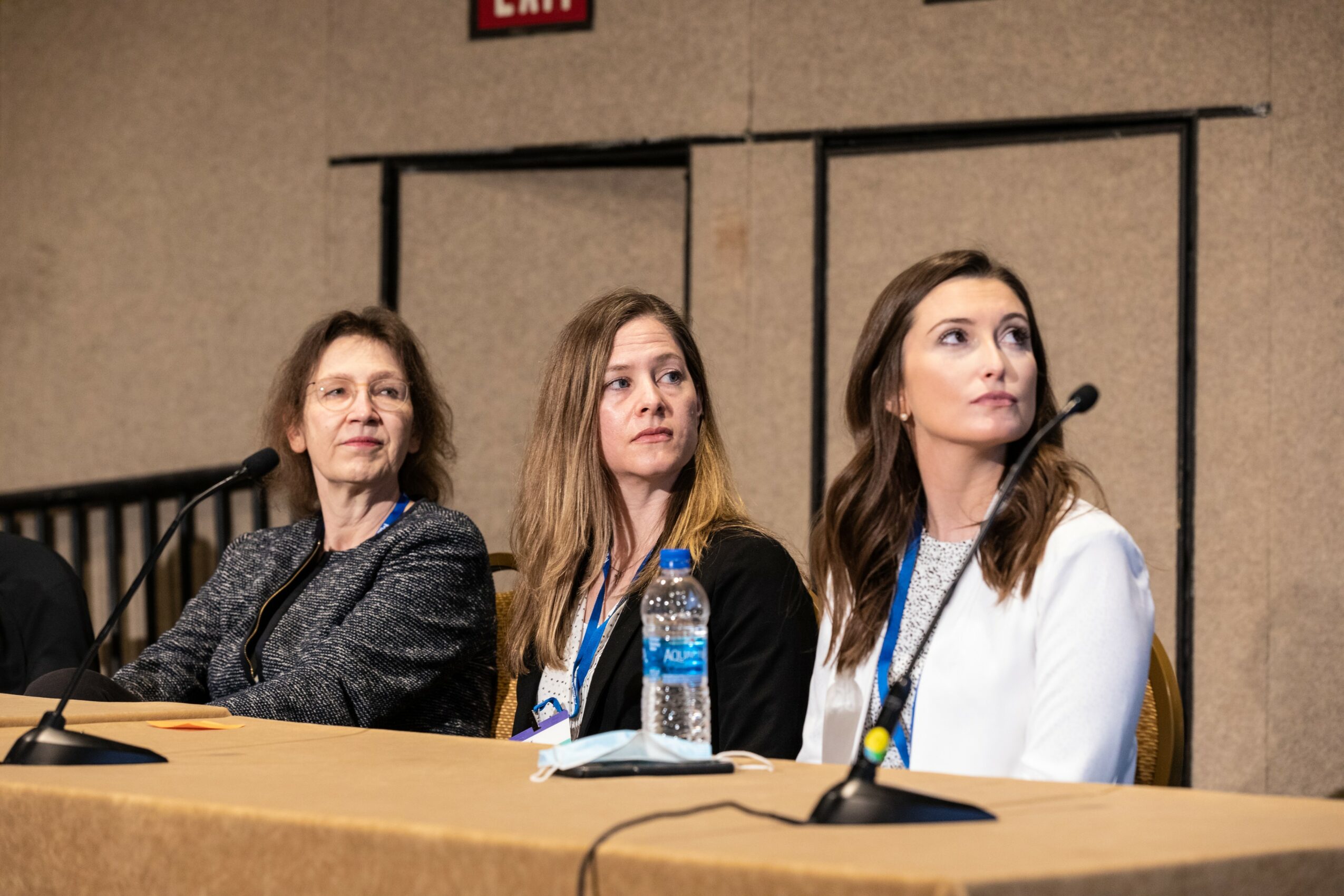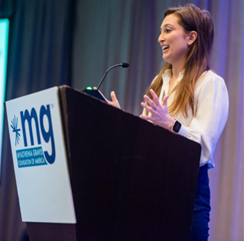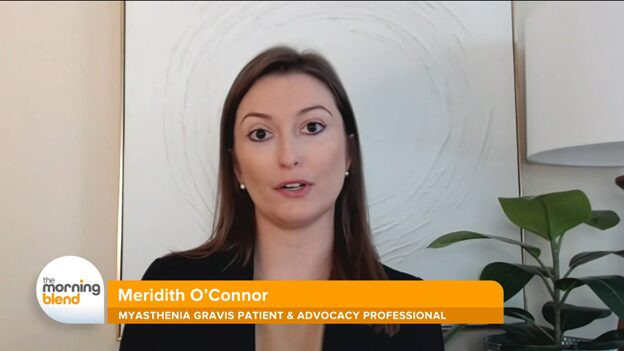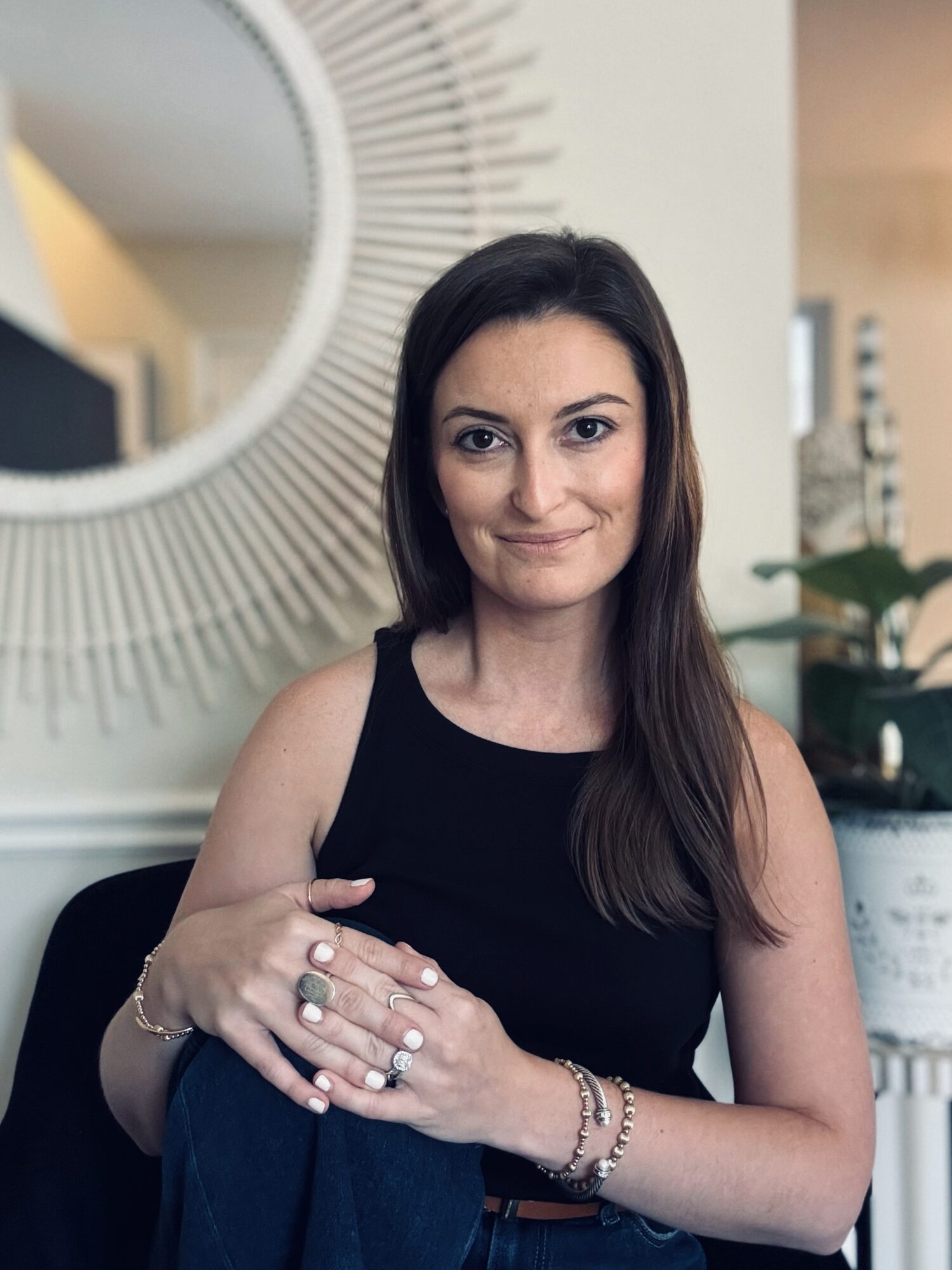
We recently had the chance to connect with Meridith O’Connor and have shared our conversation below.
Good morning Meridith, it’s such a great way to kick off the day – I think our readers will love hearing your stories, experiences and about how you think about life and work. Let’s jump right in? Have any recent moments made you laugh or feel proud?
My most recent endeavor that I am proud of is pursuing my licensure in social work. Having this license will open new doors for me and allow me to build my credibility even more in the patient advocacy space, especially when providing subject matter expertise related to biopsychosocial factors that can influence health and care.
Can you briefly introduce yourself and share what makes you or your brand unique?
Sure thing! My name is Meridith and I am the founder of The Merit Option, a patient advocacy consulting firm that ensures patients remain at the heart of healthcare. On a personal level, I am in my 30s, recently married, and lover of all things St. Louis. You can usually find me at a local coffee shop working on one of my latest projects. I have a strong work ethic, unapologetically sensitive, and fiercely loyal. I am a licensed social worker by training, an advocate and creating by calling, and navigating life with a chronic illness every hour of every day. That’s what inspired my brand- the highs, lows, and everything in between when it comes to a patient’s lived experience.
As both a patient and a professional within the healthcare system, I’ve witnessed a deep disconnect—one that extends far beyond individual health. At the root of systemic oppression, financial and structural barriers, politics, social inequities, the economy, and the environment lies a common thread: the desire to be seen, to have one’s voice heard, and to be met with genuine listening. I wanted to bridge that gap in healthcare- with compassion, ethics, and strategic action.
But what does bridging that gap look like? For me, it means collaborating with people in a variety of industries within and adjacent to the healthcare industry to bring patient insights and perspectives at the center of their work. Whether I am supporting enterprises through content creation, storytelling, engagement and advocacy strategy, or awareness campaigns/brand collaborations, I am always willing to go the extra mile to elevate the patient voice in meaningful and measurable ways.
In my world, buzz words and phrases like “patient advocacy” get tossed around, but for me, it’s both personal and professional. What sets me apart is my unique blend of lived experience and academic background, guided by my advanced master of social work training and built on a foundation of psychology and medical ethics. Remaining authentic and true to who I am is what allows me to be the best version of myself and creates a foundation of success for all involved.
Great, so let’s dive into your journey a bit more. Who were you before the world told you who you had to be?
I love this question because I usually describe my life in two parts: before chronic illness and after chronic illness. Before I was diagnosed with a rare neuromuscular disorder, I was an ordinary kid that enjoyed volleyball, singing, dancing, etc. I was a good student, got along with just about everyone, and was excited for all the possibilities my future had. When I was diagnosed with myasthenia gravis (MG), the world had different plans for me. In fact, it erased my blueprint entirely, and life looked a whole different than the one I knew for about a decade. What I have learned though along my journey with chronic illness is that even though circumstances changed and influenced the way in which I have viewed and approached the world, I have still stayed true to who I am. I ultimately had to decide whether this disease was going to define me or my path forward; I chose the latter.
When did you stop hiding your pain and start using it as power?
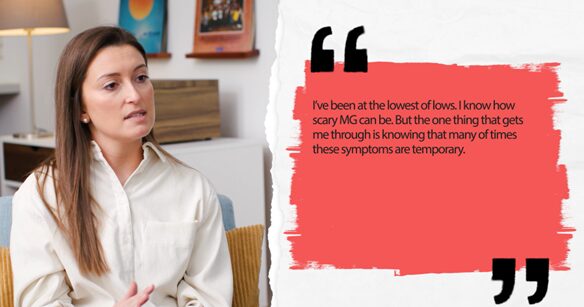
I could barely say the words “myasthenia gravis” in those early years of my chronic illness journey without erupting into tears. I was young, frightened, navigating entirely new territory, and coping with a relatively unfamiliar diagnosis that was invisible at times and difficult for people to understand. On the outside (for the most part), I looked like an able-bodied individual, but beneath that exterior were the physical limitations, mental battles, and the constant recalibration of what my body could and could not do. But as I grew up with this diagnosis, I realized that it was going to be up to me to advocate for myself; to bring light to the truth, to unveil the invisible, and get what I truly needed in order to live a purposeful life in spite of this debilitating disease.
One of my favorite quotes comes from Brené Brown, one of America’s most greatest academics: “Owning our story can be hard but not nearly as difficult as spending our lives running from it. Embracing our vulnerabilities is risky but not nearly as dangerous as giving up on love and belonging and joy — the experiences that make us the most vulnerable. Only when we are brave enough to explore the darkness will we discover the infinite power of our light.”
I took those words to heart. I began sharing my story; not just the parts people could see, but the ones they couldn’t. Whether it was about the bone-crushing fatigue, the uncertainty of symptom severity from hour to hour, the quiet resilience it takes to just exist… I found that my journey wasn’t just my own; it echoed in the lives of countless others living with health challenges. By using the skills, knowledge, and expertise I had gathered over the years, I was able to turn my pain into purpose, making the invisible visible and giving shape to experiences that too often go unnoticed.
So a lot of these questions go deep, but if you are open to it, we’ve got a few more questions that we’d love to get your take on. What are the biggest lies your industry tells itself?
As I mentioned before, I think being in the patient advocacy/healthcare industry, these phrases related to the patient experience are often talked about but rarely acted upon. I have seen a shift in the last 1o years, but we have much more work to do. How many companies and organizations can truly say that the patient experience is the priority? Being able to actually embrace that can be difficult at times, especially when there are other things that have to be considered. Patients are part of a multifaceted system but without patients, the system would fail to exist. My job is to help people not just assume what patients want but to utilize their voices and expertise strategically to move their businesses forward.
Okay, we’ve made it essentially to the end. One last question before you go. Are you doing what you were born to do—or what you were told to do?
I don’t think any of us every really know what we are “born to do,” but I do believe we all have a purpose in this world. That said, my business is called The “Merit Option” for a reason. While I did not choose this diagnosis, I believe I had a choice as to whether I would value it or not. If my disease was going to be a lifelong companion of mine, I was going to learn it’s worth and determine how to use it for good, even if it wasn’t welcomed. Maybe I was born to do this, I’m not sure, but what I do know is that while my circumstances have definitely influenced the trajectory of my career, I have defined what that looks like.
Contact Info:
- Website: https://www.themeritoption.com/
- Instagram: https://www.instagram.com/themeritoption/
- Linkedin: https://www.linkedin.com/in/meridith-o-connor-msw-lmsw-921b8a90/
- Facebook: https://www.facebook.com/themeritoption