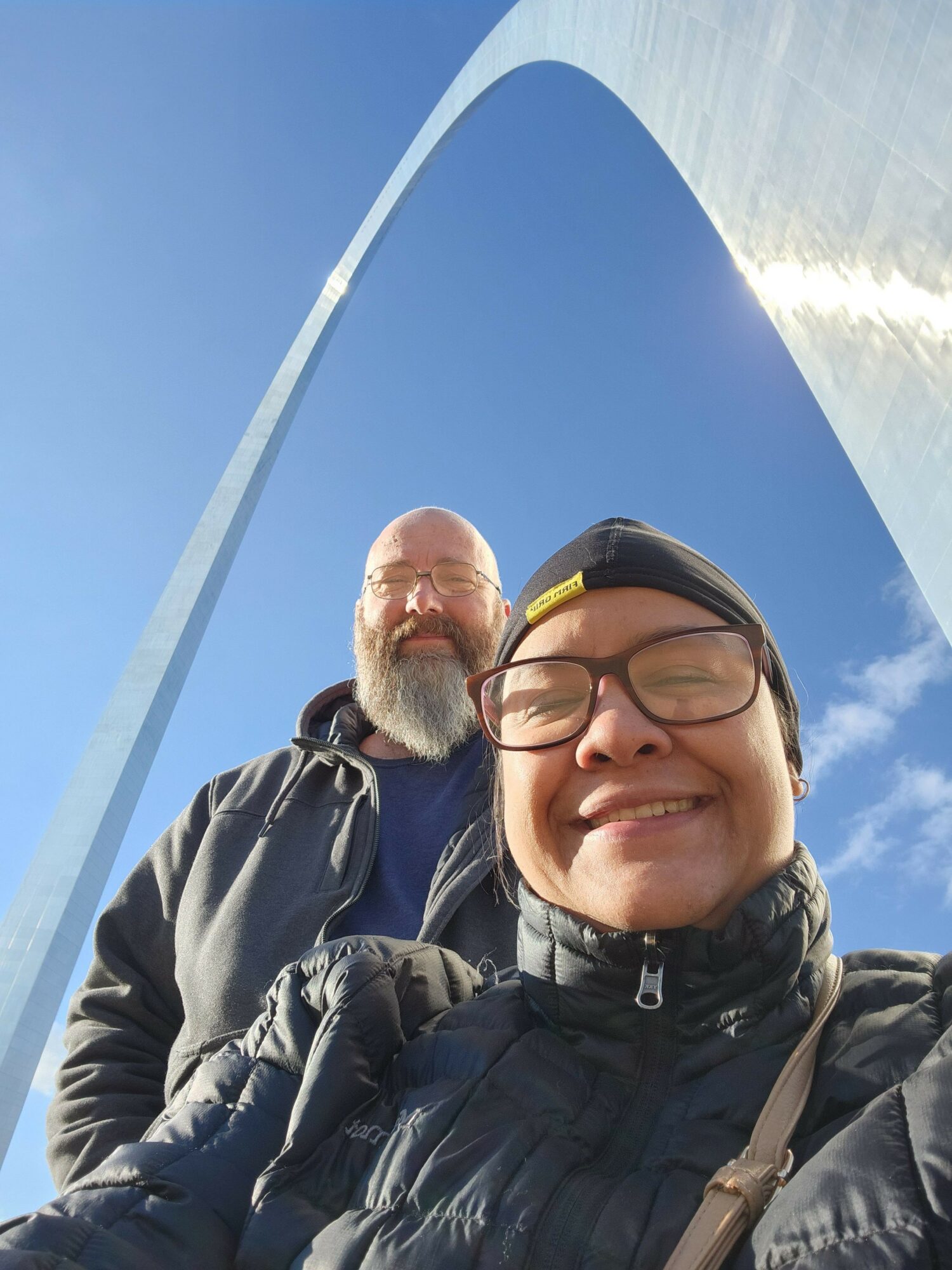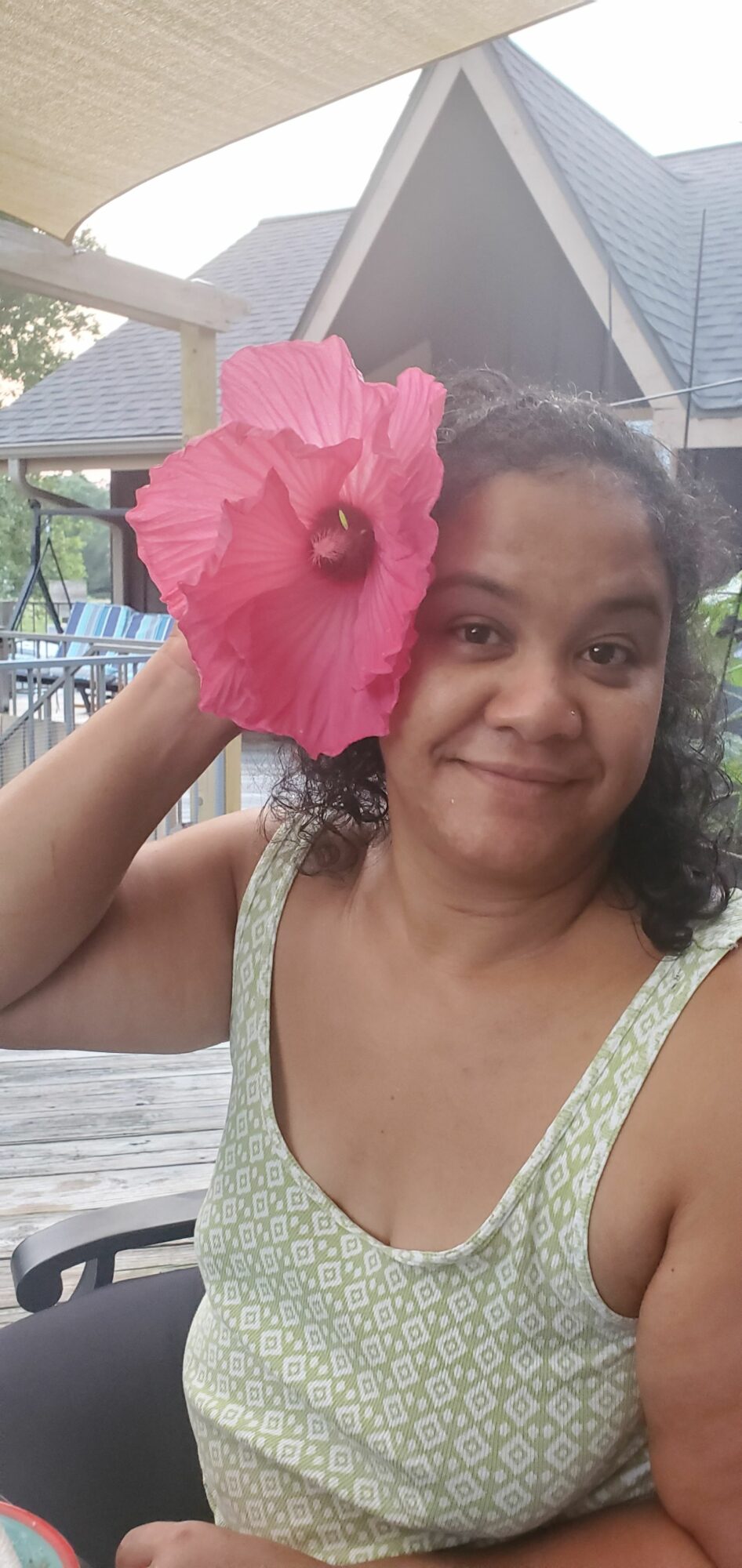
Today we’d like to introduce you to Wendie Colvin.
Wendie, we appreciate you taking the time to share your story with us today. Where does your story begin?
After being medically discharged from the US Army in 1998, my hopes of a long military career were shattered.
I began suffering a series of immune responses, coupled with what seemed like an innocent injury during a training exercise ultimately declared me unfit for duty.
What followed were years of agony and frustration. I was constantly exhausted and fatigued, began falling, shaking, was always cold, had relentless neck pain, was weak, and more.
I endured endless doctor appointments and medical tests. I was constantly dismissed—told it was all in my head, that I was obese, that I wasn’t doing enough, or that it was just stress.
Then came 2015. After completing a 5k run, I became paralyzed on my left side. Even then, medical professionals told me I was making it up and labeled it a mental illness. It took five months to finally get an MRI. The scan revealed a herniated disc on my cervical spine that had caused a spinal cord infarction. Too much time had passed. The spinal cord between my C5 and C7 vertebrae was injured beyond repair.
Once my cervical spine was stabilized, I was left with permanent deficits. My handwriting reverted to a third-grade level. I could only type with two fingers. I was left with a chronic limp, couldn’t hold my coffee cup, numbness and tingling from the neck down, and barely any feeling in my left leg and feet. That limp altered my body’s biomechanics, causing a cascade of other spine injuries at T9-T11 and L3-L5.
I was angry. For seven years, I sat alone in my room, assigning blame, staring at a future that felt empty. My husband and family never left my side, but trapped in my grief, I took them for granted. I felt hopeless, depressed, and isolated, convinced this was the type of tragedy that only happened to other people.
Everything changed the day I googled “VA Spinal Cord” and discovered the Saint Louis Spinal Cord Injury Clinic. I was paired with an incredible VA advocate who helped me navigate the referral process through my primary care physician. After my very first appointment, the crushing weight of isolation lifted. I knew I was not alone.
There may not be a cure for spinal cord injuries right now, but I have learned that life does not end with a diagnosis. My anger and sorrow have transformed into purpose. Over the past three and a half years, I have re-evaluated those dark years and realized I had a powerful support system all along: my dedicated husband, my son, my loving family, my church, and my fiercely loyal friend, Letitia, who drove me to appointments and kept me company while my husband worked.
To honor the sacrifices of my fellow service members, I decided to volunteer and joined the Paralyzed Veterans of America (PVA). Surrounding myself with like-minded individuals who share similar struggles has been incredibly healing. Serving others has brought me a deep sense of peace. It has shown me that I can still truly live, learn new ways to adapt, and that it is okay to ask for help when I need it, and it is ok to be fatigued and take a break when your body asks,
Reaching out for support wasn’t a sign of weakness; it was the first step toward reclaiming my life. Finding the Saint Louis Spinal Cord Injury Clinic and joining the PVA didn’t just provide medical resources—it gave me my humanity back. The dark years taught me that isolation breeds despair, but community breeds hope. I hope my journey reminds any veteran sitting alone in a dark room right now that your story is not over. There is a community waiting for you, an advocate ready to fight for you, and a profound purpose still inside you.
Alright, so let’s dig a little deeper into the story – has it been an easy path overall and if not, what were the challenges you’ve had to overcome?
It has been a very bumpy road. An emotional rollercoaster of sorts. We are legends in our own minds and having to adapt to a different life overnight that has been imposed upon you is not easy. Most of the adaptability has happened at the end of frustration, pain, and sometimes tears. The world is not made for disabled individuals, no matter how what good intentions are involved, and physical barriers, although less, still exist. For me personally pride was a huge obstacle: not wanting to be seen in public with my walker, or with my wheelchair, or having to face the inevitable question: “What happened to you?” after running into someone you haven’t seen in years.
Another struggle has been having to experience the secondary conditions that arise from Spinal Cord Injury and might set you back from any measurable gains. Shoulder injury secondary to wheelchair use, recurrent UTI due to catheter use, and a year after joining PVA I suffered a ruptured brain aneurysm, and recovery has been challenging.
Thanks for sharing that. So, maybe next you can tell us a bit more about your work?
I enjoy visual and creative arts. I studied Plastic Arts at the University of Puerto Rico, Mayaguez Campus, and even though I joined the military afterwards and had a professional career following the military, the creative arts were always a part of my life in the way of hobbies. when I wasn’t drawing, painting, or crafting, I was always looking for online tutorials on how to learn new creative expressions.
One day after work I saw my sister crocheting a project and I asked her to teach me. She taught me beginning steps of a crochet project and I was able to learn how to complete it by myself in less than one week. by the end of the same month, I had already opened my first online Etsy shop, and I fell in love with the art. Even when dexterity hinders my ability to continue with the craft as much as I would like to, I still engage in some projects as a way to preserve hand function and a fun way of home occupational therapy.
I think my tenacity and stubbornness is what sets me apart, I have been told once or twice that it is one of my virtues. I guess is their nice way of saying I can be hardheaded.
We all have a different way of looking at and defining success. How do you define success?
I think success is the achievement of a goal that brings forth an impact, no matter the size of the goal.
Contact Info:
- Website: wendie.colvin@yahoo.com