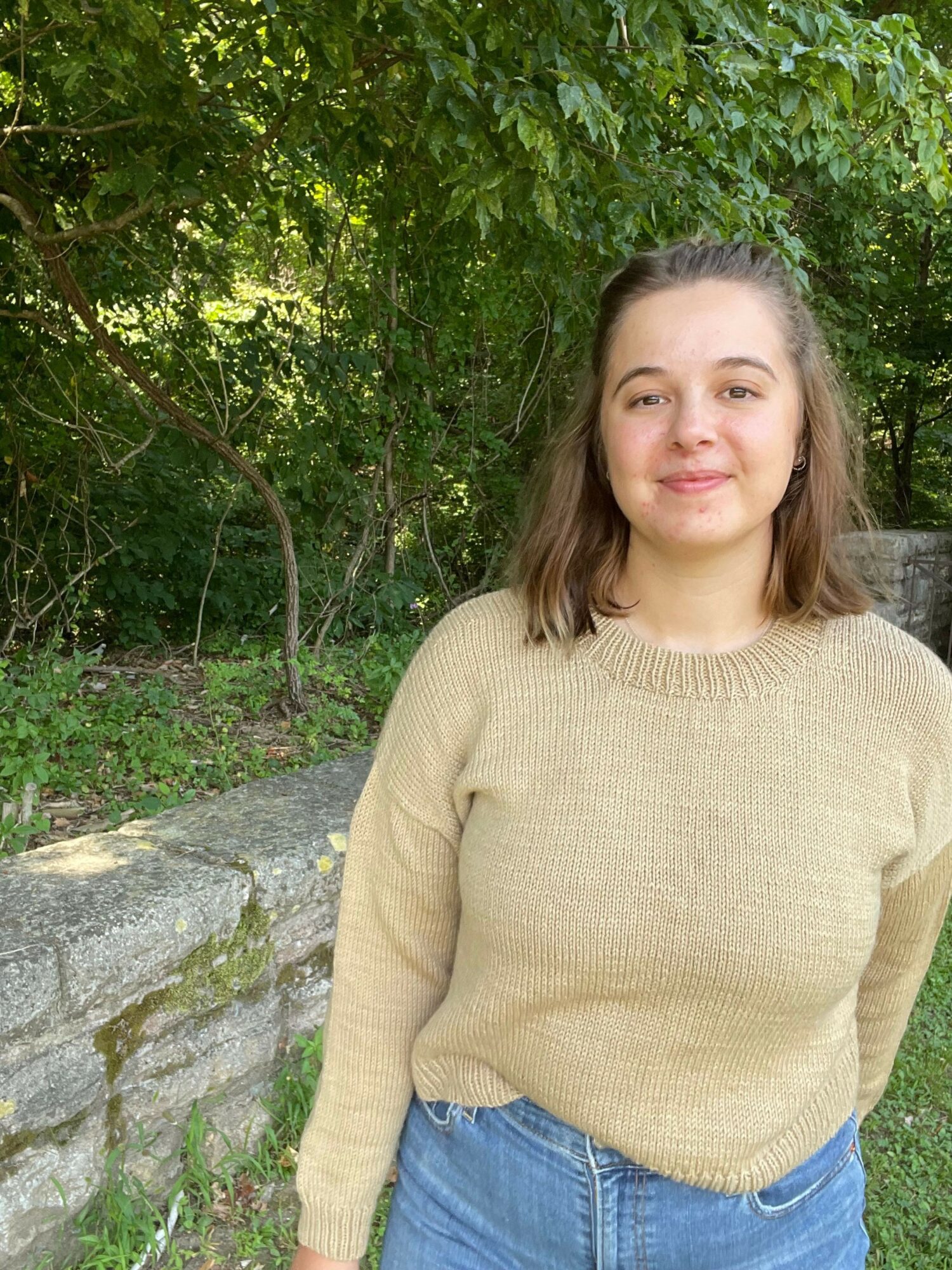
Carly Hampton shared their story and experiences with us recently and you can find our conversation below.
Carly, really appreciate you sharing your stories and insights with us. The world would have so much more understanding and empathy if we all were a bit more open about our stories and how they have helped shaped our journey and worldview. Let’s jump in with a fun one: Are you walking a path—or wandering?
Currently, even though it deeply challenges me, I am wandering with my business. I set out with a mission to do what I love and connect people with the world and community around them through natural dyeing. I am doing this, but I am often someone who thrives on clear expectations and pathways. I struggle when there is ambiguity and when I don’t have a clear destination in mind. However, I also realize that this isn’t life. We don’t always have a clear path. We get unexpectedly redirected. And what was meant to find us, does, no matter what. So in my business, even though it is hard, I wander.
Can you briefly introduce yourself and share what makes you or your brand unique?
My name is Carly Hampton and I am the natural dyer behind Forager Fiber Studio. I have long loved knitting, wool, fiber, and plants. During the pandemic while I was facing some deep personal challenges, I brought all of these interests together and began to naturally dye yarn to knit with. This opened up a whole new level of creativity for me.
I have always crafted and created, but the craft of natural dyeing sits at the intersection of so many of my interests and motivations. I feel grounded and purposeful when I have a sense of my place in the world around me and I find this feeling arises when I am in contact with nature. Whether it’s hiking, gardening, dyeing, or simply sitting outside on the porch, when I fully seat myself in the present, everything snaps into place. Natural dyeing is a gateway to this feeling and even builds on it with its added element of time. Once of the biggest keys to success with this craft is being slow. It takes time to extract dye from plants, time to prep yarn, and time to develop the color on the fiber. If you rush any part of the process, the end product quality is compromised.
My ethos behind Forager Fiber Studio is to bring this feeling of connectedness to the natural world and awareness to those around me. To help people slow down and come into contact with the physical world or support them in that if they already do so.
In the past year since I scaled up Forager into a full business, I have learned so much. I have also failed and made mistakes. My focus at lately, however, has been developing my color palette and range. I dye differently than many natural dyers. Most use extracts that have already been prepared from dye materials. I, however, use raw plant materials. This means that I am taking leaves, twigs, roots, bark, fruit, and more and slowly steeping it over long hours to create dye. This creates a unique color palette that is plant-lead. There is also naturally variation and range in the colors when I set out to reproduce them. This drives some dyers crazy, but for me, I find it inspiring and motivating. These are the elements that set Forager Fiber Studio apart and make it unique.
Amazing, so let’s take a moment to go back in time. Who were you before the world told you who you had to be?
I was feral before the world stepped in. I lived to be outside, hands in the dirt, picking “flowers” and “berries” (aka the blooms from white clover and native strawberries, both plants often viewed as weeds). I lived to create and to live in my imagination, and often did so through the natural color palette. I often think that if I had grown up on a farm or in a rural area instead of suburban St. Louis, I may have found my craft much sooner because I believe I was always destined to do so.
What fear has held you back the most in your life?
The fear that I find, much to my dismay, often defines me and motivates my actions is the fear of never being good enough. I have some deeply challenging experiences in my background which seeded this fear in me. Now, as a creative business owner who is putting their work out into the world, I have willingly entered into a very intense, but also intentional, form of exposure therapy to combat this.
Each day I fight with the voices of those from my past who litany in my head about not being good enough, which in this context shows up as feeling inferior about not selling “enough” yarn, not being consistent enough with my dyeing, wasting my time, making the wrong moves when faced with decisions, and on and on. Most days, the voices are incredibly loud.
Squaring up against these self-limiting beliefs has been much more challenging than I expected when I started Forager Fiber Studio, but I also think I was deluding myself as to how deep these fearful currents of belief ran. In building this business, I have come face to face with the full breadth and depth of this fear and have fully engaged with it. I will say that some days are much better than others, but I do feel pride about fully engaging with the full range of these emotions and experiences rather than shying away from them.
Sure, so let’s go deeper into your values and how you think. What are the biggest lies your industry tells itself?
My biggest hang up I have with the wool and fiber industry is its messaging that you constantly need more, more, and more. Ironically, this is diametrically opposed to my business’ success because it relies on sales, but I really struggle with the rampant consumerism that exists in wool and fiber. I see people make questionable financial decisions for the sake of the high of the purchase and it doesn’t sit well with me.
One of the core values behind Forager Fiber Studio is intention and infusing intention into everything we do. Intention breeds awareness and when we take the time to savor what is in front of us and cherish it, we find that we need a lot less physical stuff that capitalism and consumerism would lead us to believe.
I set out to dye the ethically[-produced, non-superwash yarn that I do in the way that I do because of intention. I have arrived at this product because I have fully engaged with each step of the process. I find that it is hard to communicate this in my marketing, but it is a big part of what drives me as a natural dyer.
Thank you so much for all of your openness so far. Maybe we can close with a future oriented question. Are you doing what you were born to do—or what you were told to do?
This question is really interesting because I have been deeply engaging with this and making big changes in my life in response to this idea. I started Forager because it was what I wanted to do. It is counter-cultural in so many ways and I find I am swimming against the current in the mainstream. However, most importantly, I am finding others who seek to do the same.
I initially chose a career in public education that I thought would bring me great satisfaction because that’s what everyone told me it would do. Much to my dismay, it was a horrible fit for me which sent me into an identity crisis. I have had to take the time to ask the questions about who I am outside of the structures and expectations of society. It has not been easy, but it has been very necessary.
I am currently at a point where I have clarified more what I want and what will bring me satisfaction. I am finding that it often involves the word “and.” I want stability and spontaneity, predictability and innovation, tradition and creativity. I see Forager pretty much always having a place in my life, but I also have some goals personally, such as starting a family, that are incredibly important to me. I am making moves in my career to have the “and’s” and to be able to have enough structure and stability that I have the best kind of container for creativity and innovation personally.
Contact Info:
- Website: https://foragerfiberstudio.com/
- Instagram: https://www.instagram.com/foragerfiberstudio/
- Linkedin: https://www.linkedin.com/in/carly-hampton-328008280/
- Facebook: https://www.facebook.com/ForagerFiberStudio
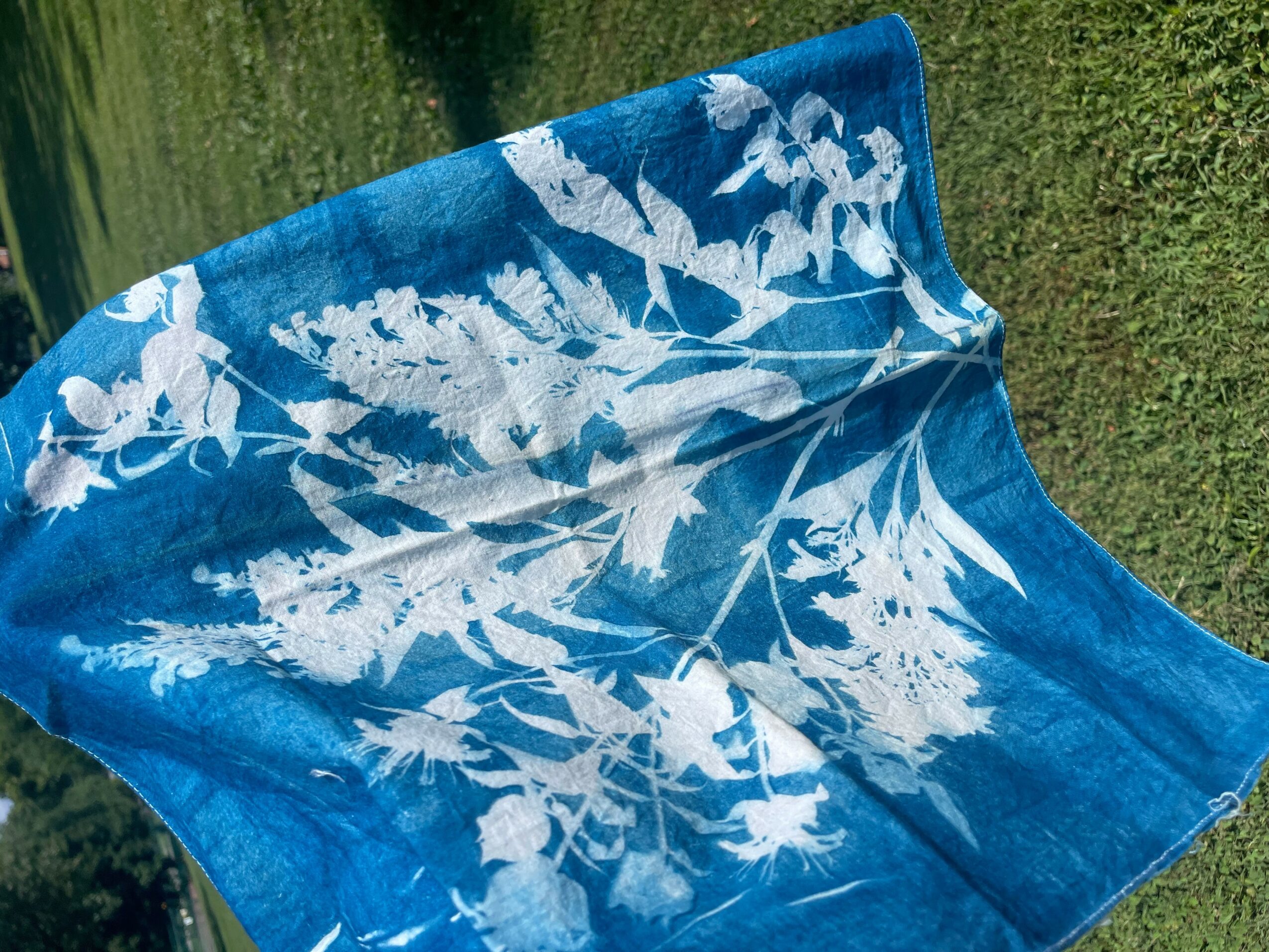
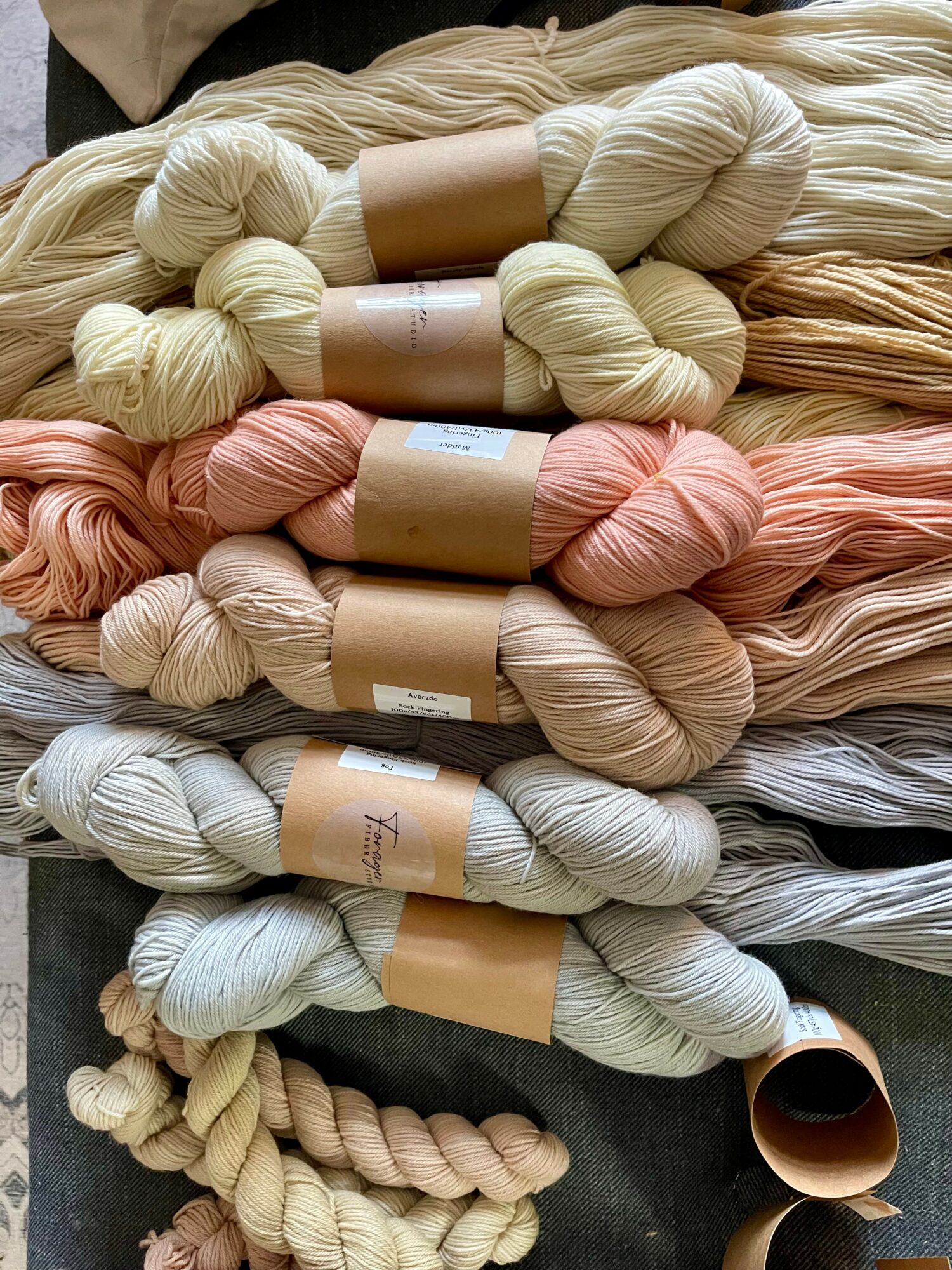
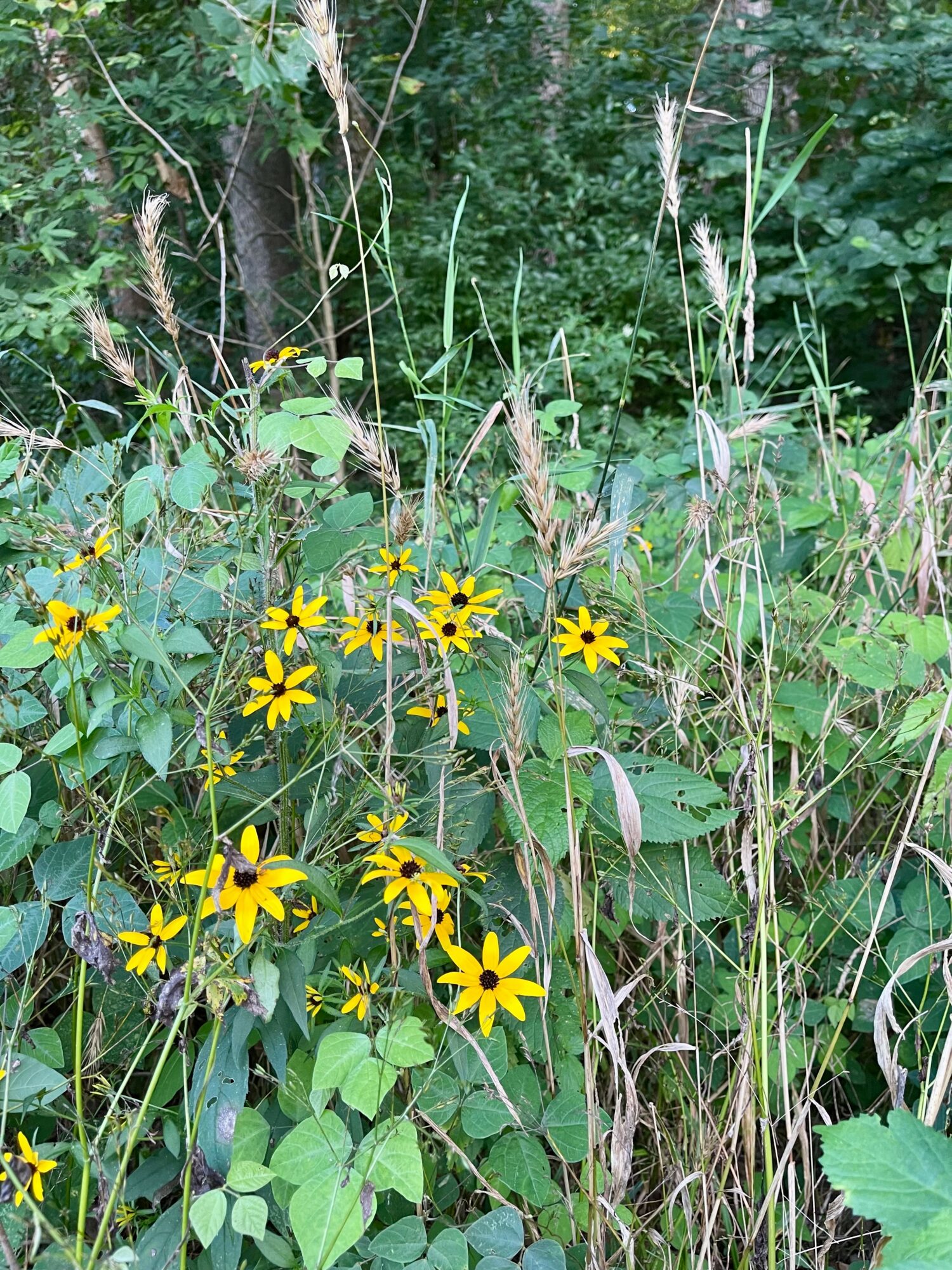
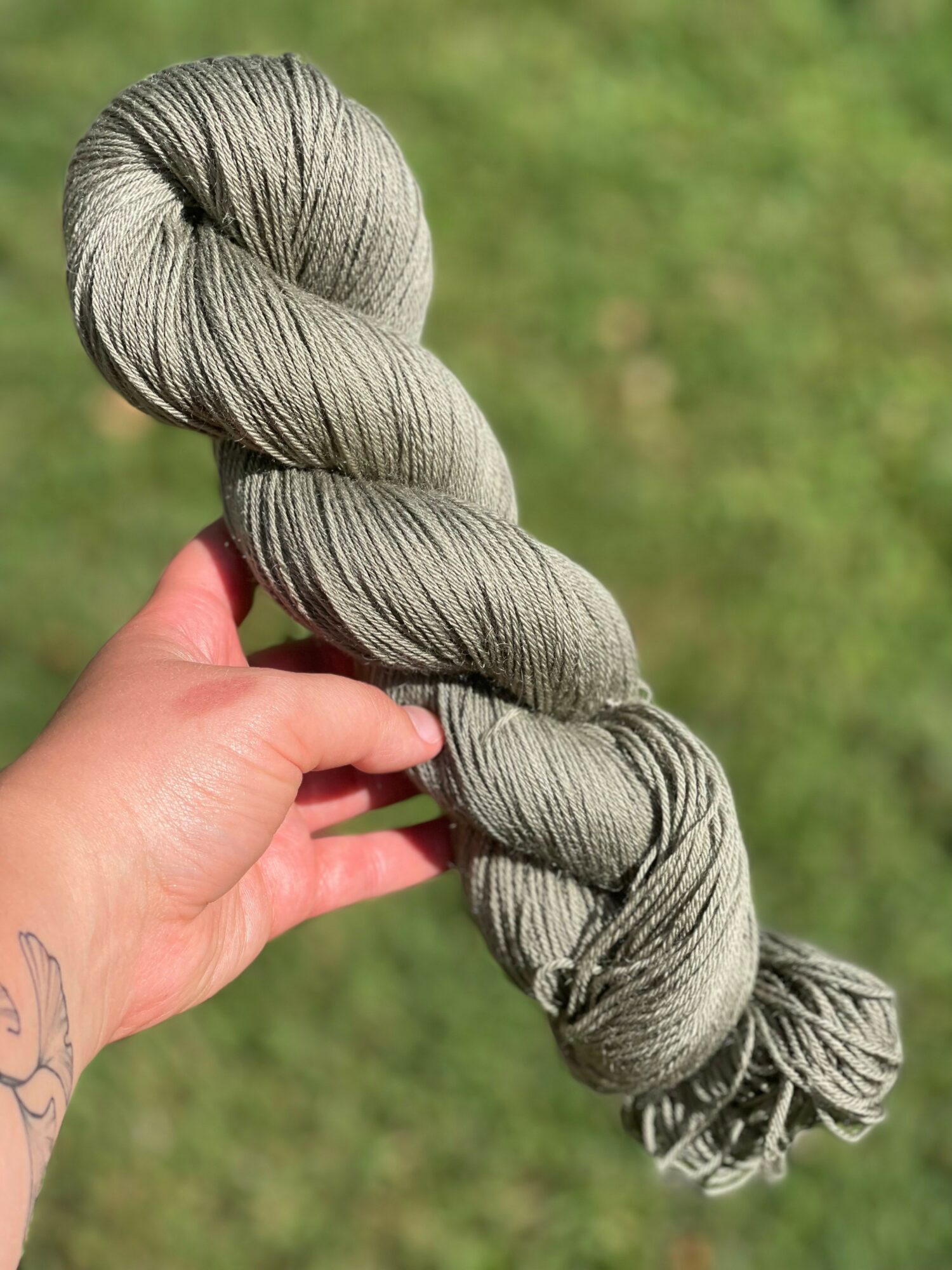
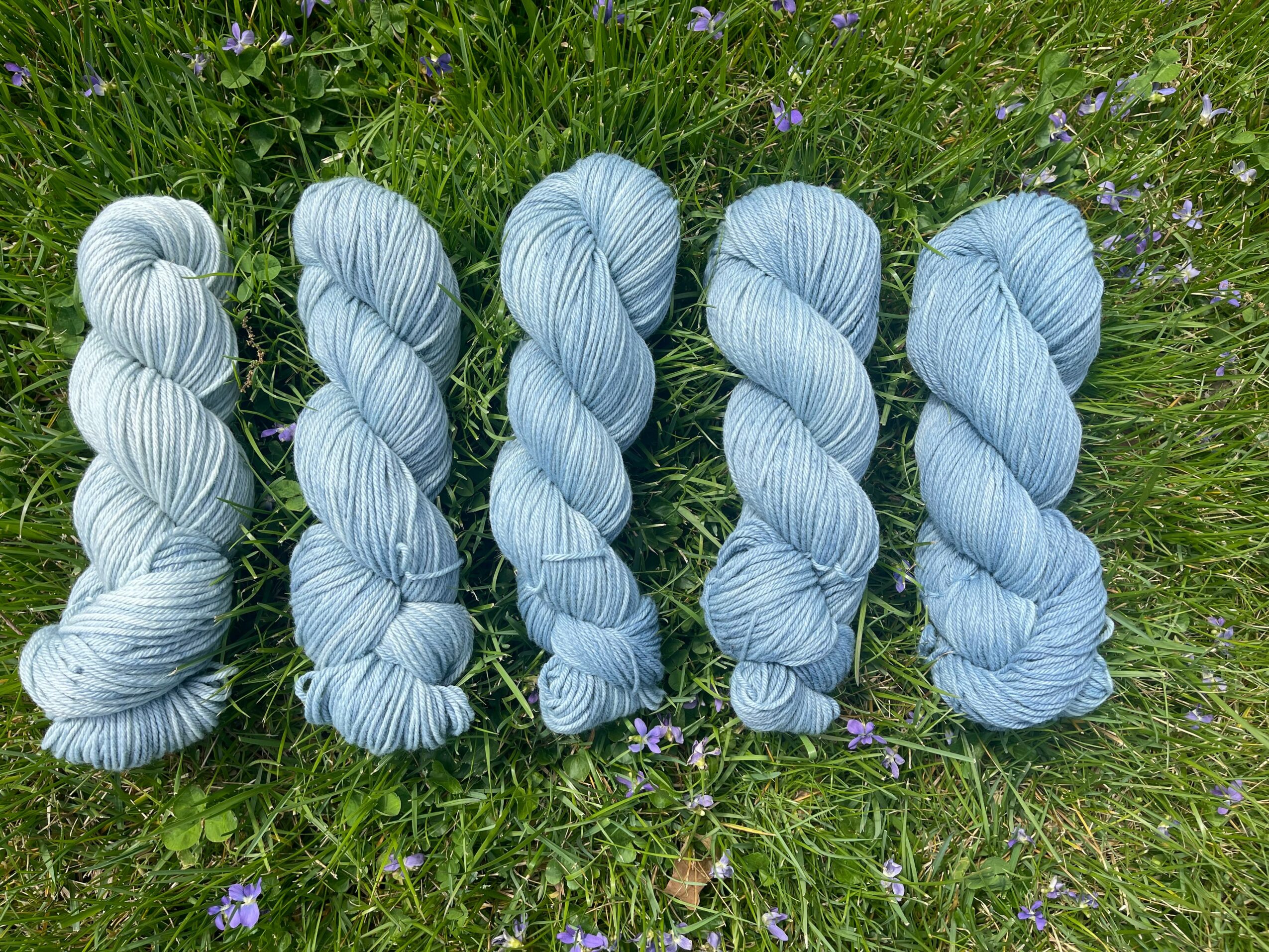
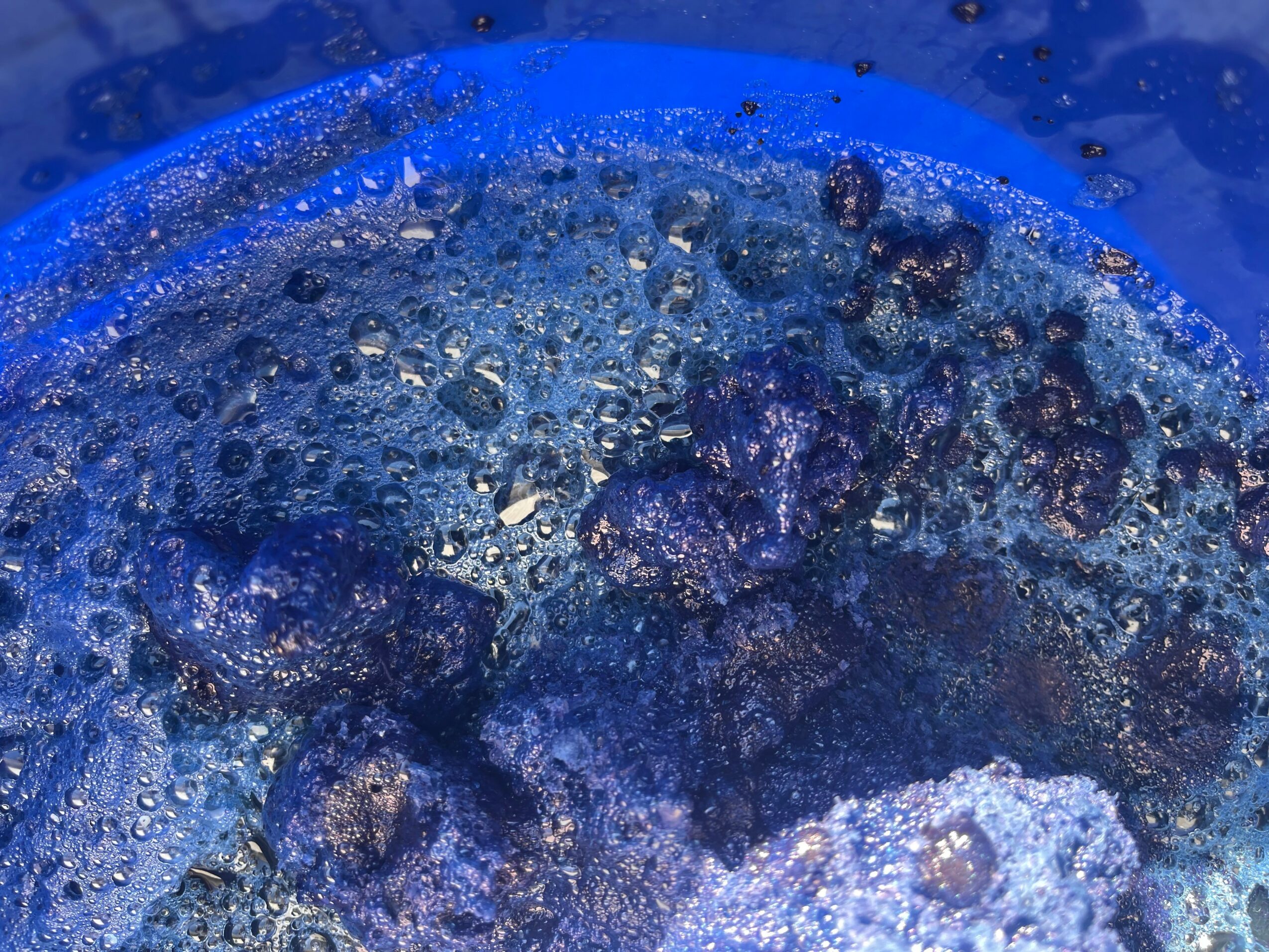
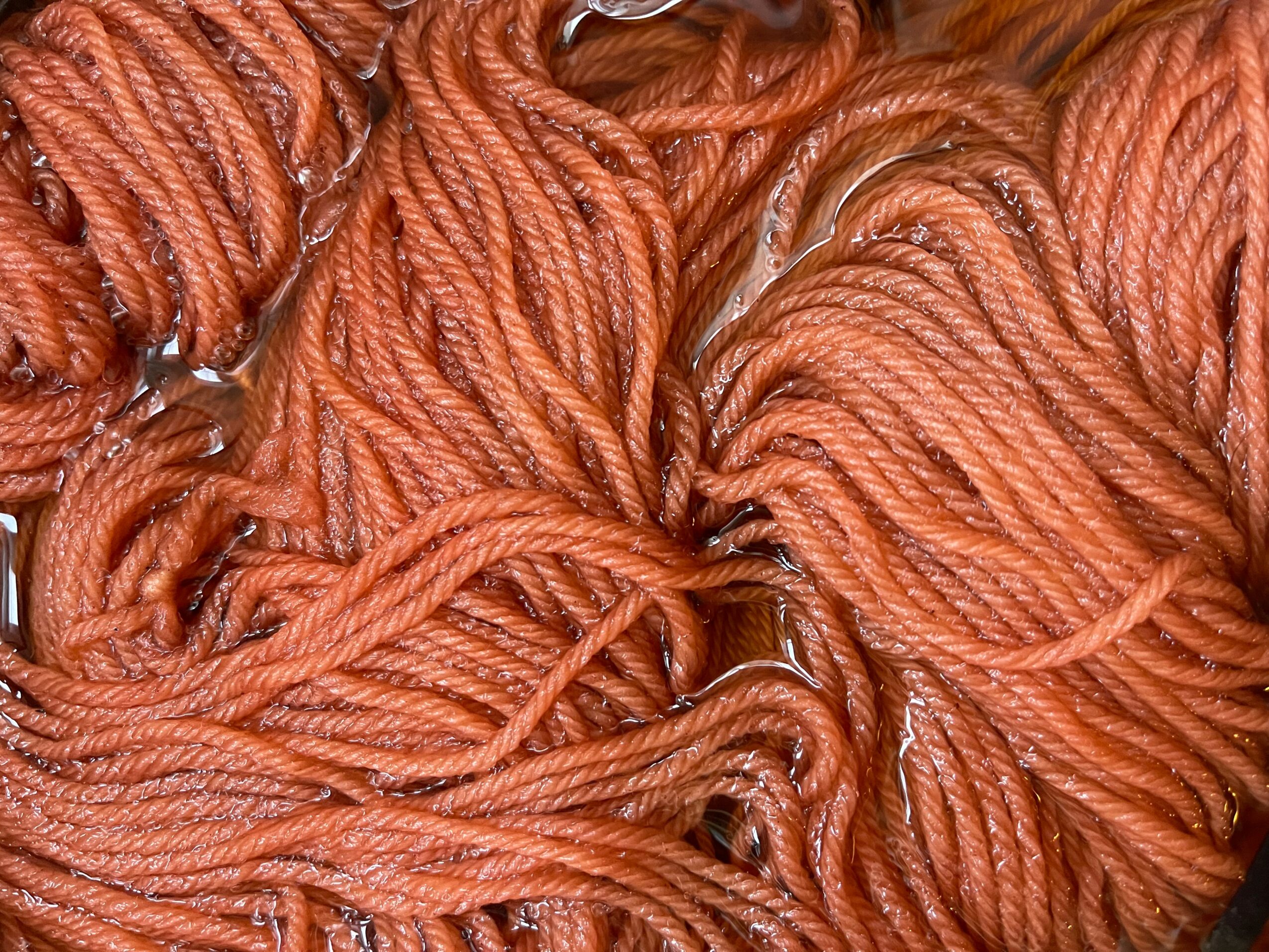
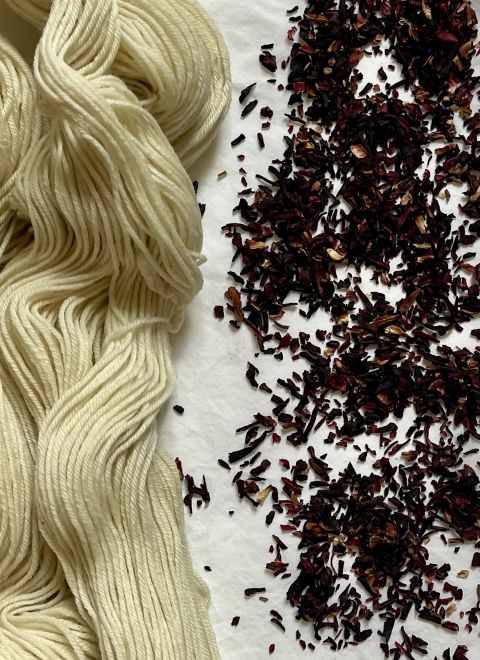
Image Credits
Carly Hampton