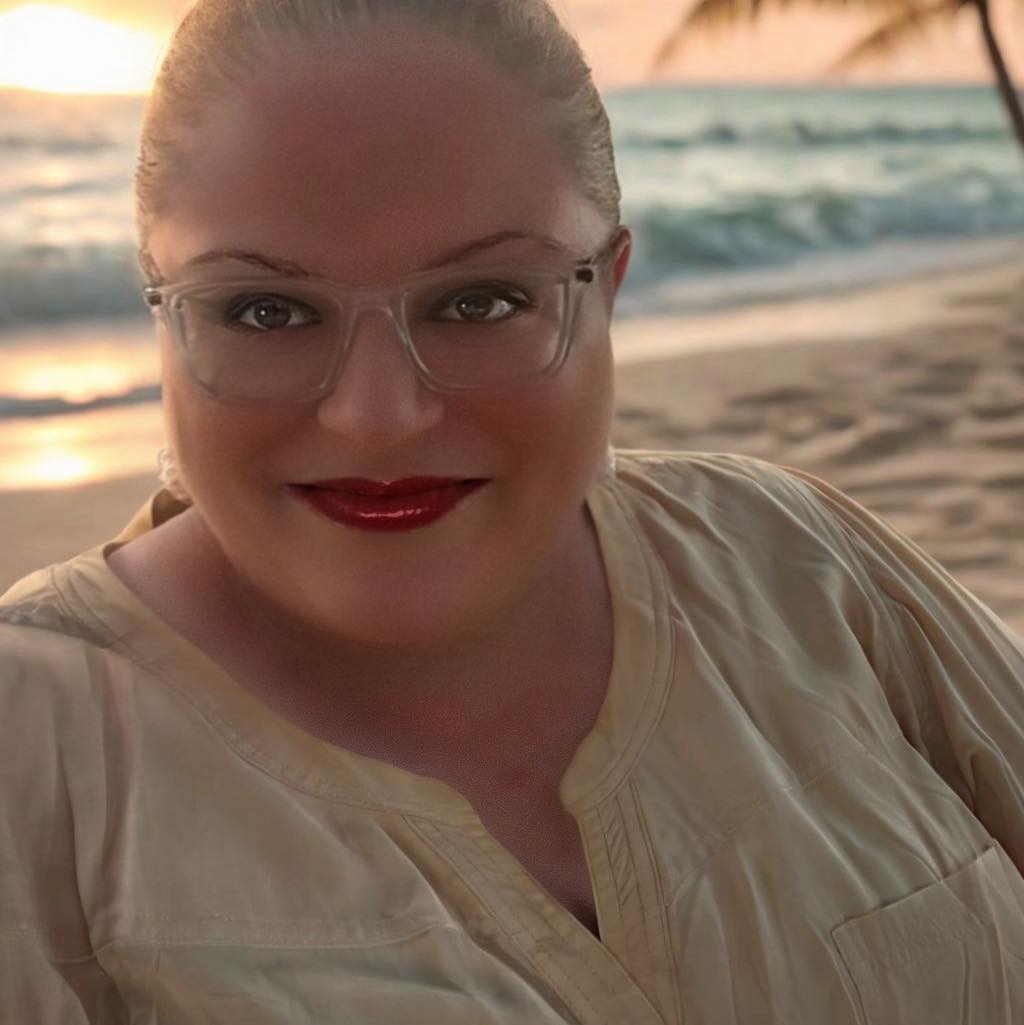
We’re looking forward to introducing you to Rev. Dr. Tiffany West. Check out our conversation below.
Tiffany, really appreciate you sharing your stories and insights with us. The world would have so much more understanding and empathy if we all were a bit more open about our stories and how they have helped shaped our journey and worldview. Let’s jump in with a fun one: What’s more important to you—intelligence, energy, or integrity?
Upholding integrity is the cornerstone of all that I cherish—personally, professionally, and in my spiritual journey. Intelligence can tackle challenges, and energy can propel progress, yet without integrity, both can easily be mishandled or misallocated. Integrity embodies the act of being present with truthfulness, reliability, and responsibility, even when it’s challenging or unsettling. It’s the subtle power that steers choices when no one is observing, and the guiding light that maintains relationships anchored in trust. I’ve witnessed how intelligence lacking ethics can inflict damage and how charisma devoid of character can deceive. Conversely, integrity forges enduring legacies. It cultivates an environment where people feel secure in your presence, trust your promises, and recognize that your actions reflect your principles. To me, integrity transcends a mere characteristic—it is a daily commitment to honoring the truth, safeguarding the vulnerable, and staying true to one’s purpose.
In my professional and personal interactions, integrity manifests as unwavering loyalty, openness, and a steadfast commitment to justice. Whether I’m championing fairness, defending the marginalized, or simply offering support to someone in distress, I embrace integrity, as it fosters trust. It empowers me to advocate for inclusion while retaining empathy, and to question systems without compromising my essence. Enthusiasm can ignite transformation, and cleverness can formulate tactics—but integrity guarantees that change is significant and that tactics benefit the common good. I would prefer to advance slowly in truth rather than race swiftly in intelligence toward something devoid of substance. Integrity is my anchor, particularly when the world seems tumultuous. It’s what my closest companions rely on, and what I aspire for each endeavor, every dialogue, and every gesture of service to embody.
Can you briefly introduce yourself and share what makes you or your brand unique?
I am a speaker, author, and advocate whose life and work are rooted in a deep commitment to healing, truth, and transformation. I was raised in a family devoted to ministry and outreach. My formative years were spent traveling across the United States, witnessing my parents and siblings help communities rebuild what had been broken—spiritually, emotionally, and structurally. That lifestyle instilled in me a profound sense of purpose and a calling to edify others. Today, I reside in the St. Louis region, where I continues that legacy. I am often found tending to my herbs, writing in the garden, or loving on my beautiful rescue cat, Tabigail. My family remains spread throughout the Midwest and eastern coastline, anchoring her in both regional pride and generational wisdom.
With a PhD in Theology, a Bachelor’s, Master’s, and PhD in Education, and an Associate’s in Merchandising and Interior Design, Tiffany blends academic rigor with creative vision. Since 2006, I have served as a minister and advocate, focusing on outreach, youth empowerment, orphan care, HIV awareness, MMIWG2S advocacy, recovery, houseless ministry, and support for battered women and children. My work is not just about service—it’s about systemic change. In 2019, I deepened my focus on Leadership Development, using educational theory to cultivate leaders across industries and communities. My mission is clear: to inspire people to overcome societal stereotypes and persevere toward their own success. I write to heal, speak to inspire, and declare the truth—always with the goal of making a positive difference in both time and eternity. A grown-up coastal girl at heart, I am driven by a fierce love for justice, inclusion, and the underdog.
Okay, so here’s a deep one: What breaks the bonds between people—and what restores them?
Relationships—whether romantic, familial, professional, or platonic—are built on trust, mutual care, and shared understanding. But even the strongest bonds can fracture when needs go unmet, communication falters, or harm repeats without repair. In culturally rooted communities, where relationships often carry generational weight and spiritual significance, these fractures can feel especially deep.
Fractures in relationships rarely happen overnight. They’re often the result of slow erosion—moments of silence, small betrayals, or unresolved pain that accumulate over time. There are eight most common causes:
1. Betrayal of Trust
Dishonesty, secrecy, or broken promises can shatter the foundation of any relationship. Trust is not just about truth—it’s about consistency, safety, and emotional reliability. When someone lies, withholds, or fails to follow through, it sends a message: “You are not safe here.”
In many traditions, trust is sacred. It’s tied to protocol, legacy, and spiritual alignment. Betrayal doesn’t just hurt—it dishonors.
Healing begins with:
– Radical honesty
– Transparent repair
– Rebuilding through consistent action
2. Lack of Communication
Assumptions, silence, or failure to express feelings and needs can create emotional distance. When people stop talking—or talk past each other—resentment grows in the gaps.
Communication isn’t just about words. It’s tone, timing, and intention. In European cultural frameworks for example, directness is often valued. In many spaces, storytelling and nonverbal cues carry deep meaning. Misalignment in communication styles can lead to misunderstanding.
Healing begins with:
– Active listening
– Asking instead of assuming
– Creating safe space for expression
3. Neglect
When one person feels unseen, unvalued, or taken for granted, the relationship begins to hollow. Neglect isn’t always intentional—it can stem from burnout, distraction, or emotional immaturity. But its impact is real.
Neglect says: *You don’t matter enough to be prioritized.* Over time, this message erodes self-worth and connection.
Healing begins with:
– Reaffirming presence
– Small, consistent acts of care
– Naming what’s been missing
4. Conflict Avoidance or Escalation
Some people avoid conflict at all costs, letting resentment fester. Others escalate quickly, using harsh words or emotional withdrawal as weapons. Both patterns damage trust and intimacy.
Avoidance says: *Your pain isn’t worth addressing.*
Escalation says: *Your pain is a threat to me.*
In spiritually grounded relationships, conflict is not the enemy—disrespect is. Conflict handled with care can deepen understanding and strengthen bonds.
Healing begins with:
– Learning to disagree with dignity
– Repairing after rupture
– Practicing emotional regulation
5. Disrespect
Belittling, dismissing, or ignoring boundaries can make someone feel unsafe, small, or erased. Disrespect often shows up subtly—interruptions, sarcasm, minimizing someone’s experience. But over time, it becomes corrosive.
In many cultural traditions, respect is protocol. It’s how we honor elders, partners, and peers. Disrespect isn’t just rude—it’s relational violence.
Healing begins with:
– Naming the harm
– Reestablishing boundaries
– Practicing reverence in speech and action
6. Unequal Effort
When one person carries most of the emotional or practical weight, resentment builds. Whether it’s always initiating conversations, planning events, or doing the emotional labor, imbalance sends a message: *Your time and energy matter more than mine.*
This dynamic is especially common in caregiving relationships, where one person may feel drained and unseen.
Healing begins with:
– Redistributing responsibility
– Acknowledging invisible labor
– Valuing both emotional and logistical contributions
7. Value Clashes
Diverging beliefs, priorities, or lifestyles can strain relationships—especially when there’s no room for compromise. Whether it’s spiritual practice, parenting style, or political views, value clashes can create emotional distance.
In multicultural communities, these clashes often reflect deeper tensions around identity, legacy, and belonging. The goal isn’t always agreement—it’s mutual respect.
Healing begins with:
– Clarifying core values
– Practicing cultural humility
– Finding shared ground
8. Unhealed Hurt
Past wounds left unaddressed can cause cycles of mistrust or emotional withdrawal. Sometimes the original harm happened years ago—but its echoes still shape the relationship.
Unhealed hurt says: *I’m protecting myself from you.*
But protection without repair leads to isolation.
Healing begins with:
– Naming the original wound
– Seeking forgiveness or closure
– Choosing healing over hiding
Healing fractured bonds is not about returning to “how things were.” It’s about creating something new—something honest, mutual, and rooted in care. It requires:
– Accountability: Owning your part without defensiveness
– Empathy: Understanding the other’s experience without minimizing
– Consistency: Showing up with integrity over time
– Boundaries: Protecting your peace while honoring connection
– Grace: Allowing space for growth, not perfection
Healing is possible. But it must be intentional.
You Can’t Heal What You Won’t Name. Fractured bonds don’t always mean the relationship is over. Sometimes they’re invitations—to deeper truth, to mutual transformation, to sacred repair.
If you’re navigating a broken bond, ask:
– What needs were unmet?
– What harm went unspoken?
– What truth needs to be told?
Then begin again—with clarity, courage, and care.
What did suffering teach you that success never could?
Suffering taught me the language of depth—the kind that success often glosses over. It showed me how to sit with discomfort without rushing to fix it, how to listen to silence without demanding answers, and how to honor pain as a teacher rather than a punishment. In suffering, I learned patience—not the kind that waits for things to get better, but the kind that holds space for what is. It revealed the strength of vulnerability, the sacredness of asking for help, and the quiet resilience that grows in the absence of applause. Suffering stripped away illusions of control and invited me into surrender, into trust that healing doesn’t always look like progress. It taught me to see people differently—not as roles or titles, but as souls carrying invisible burdens. And perhaps most profoundly, it taught me that love is not just what we give when things are easy—it’s what we offer when someone is breaking, and we choose to stay.
Success, on the other hand, taught me how to perform, how to polish, how to present. It rewarded my effort but rarely asked me to examine my essence. It gave me confidence, yes—but suffering gave me character. Success taught me how to build, but suffering taught me how to rebuild. In moments of achievement, I learned how to celebrate; in moments of loss, I learned how to grieve with grace. Success often brought recognition, but suffering brought revelation—about who I am when no one is watching, when nothing is guaranteed. It taught me that joy is deeper when it’s hard-won, and that peace is more precious when it’s been fought for. While success gave me platforms, suffering gave me purpose. And in the quiet aftermath of pain, I discovered a kind of wisdom that no trophy could ever hold.
I think our readers would appreciate hearing more about your values and what you think matters in life and career, etc. So our next question is along those lines. What would your closest friends say really matters to you?
I had to ask my best friend for help on this one…
If you asked my closest friends what truly matters to me, they’d probably say equity and inclusion for all people are at the heart of everything I do. I care deeply about creating spaces where all people—regardless of background, identity, or circumstance—feel seen, valued, and safe. Whether it’s advocating for basic human needs like shelter, food, and clean water, or amplifying the voices of those who are often overlooked, I believe dignity should never be negotiable. I’m the one who speaks up when others stay silent, especially when injustice shows up in subtle or systemic ways. My friends know I don’t just talk about fairness—I live it, whether through community work, curriculum design, or everyday interactions. I’m drawn to the misfits, the marginalized, the ones who’ve been told they don’t belong. Giving them a platform isn’t charity—it’s justice. That drive to protect and uplift is woven into everything I touch.
They’d also say I have a soft spot for the vulnerable, whether it’s people or animals—especially my cat, Tabby, who’s more than a rescue pet; she’s family. I’m the kind of person who defends those who can’t defend themselves, who steps in when others walk away. Being a good Samaritan isn’t just a principle—it’s a reflex. I believe in fighting for the underdog, not because it’s easy, but because it’s necessary. My empathy runs deep, and my loyalty is fierce. I don’t just want people to survive—I want them to thrive, to feel empowered, and to know they matter. Whether I’m organizing an event, mentoring a young leader, or simply listening to someone’s story, my friends know I show up with my whole heart. What matters to me is making sure no one feels invisible.
Thank you so much for all of your openness so far. Maybe we can close with a future oriented question. What do you think people will most misunderstand about your legacy?
What people may most likely misunderstand about my legacy is that it’s driven by emotion alone, when in truth, it’s built on strategy, sacrifice, and relentless intention. Because I lead with empathy—fighting for the underdog, protecting the vulnerable, and amplifying misfit voices—some may assume my work is reactive or sentimental. But my advocacy is not just heart-led; it’s deeply rooted in systems thinking, cultural analysis, and spiritual discernment. I don’t just show up—I build frameworks and mobilize communities with precision. My legacy isn’t just about kindness; it’s about structural change. It’s about making sure equity and inclusion for all people aren’t just buzzwords but lived realities. People may see the compassion and miss the calculation, the warmth and miss the warfare. But every act of care is a form of resistance, and every moment of tenderness is backed by a lifetime of study, strategy, and spiritual fire.
They may also underestimate the depth of my motivation. I’m not driven by recognition or titles—I’m driven by the memory of those who were silenced, displaced, or erased. My legacy is not about me; it’s about the people I serve, the communities I uplift, and the truths I refuse to let die. Tabby, my rescue cat, is a symbol of that ethic—of seeing worth where others overlook it. My work with youth, houseless communities, and survivors isn’t charity—it’s covenant. I write to heal, speak to inspire, and declare the truth not because it’s easy, but because it’s necessary. So, if people misunderstand my legacy, it’s likely because they’re looking for polish instead of purpose. But I didn’t come to perform—I came to transform. And that kind of legacy doesn’t always fit into neat narratives. It disrupts, it rebuilds, and it endures.
Contact Info:
- Website: https://www.designedtoignite.com/
- Other: https://linktr.ee/Tiffanyinthelou


Image Credits
Duffy George Credit for branded photos